Par un architecte produit & passionné d’UML Introduction : Pourquoi les diagrammes de composants ont changé mon flux de conception
Continue reading
Apprendre une nouvelle chose tous les jours
Par un architecte produit & passionné d’UML Introduction : Pourquoi les diagrammes de composants ont changé mon flux de conception
Continue reading
Introduction En tant qu’analyste système ayant passé des centaines d’heures à déplacer manuellement des formes, à aligner des connecteurs et
Continue reading
Introduction En tant que personne ayant passé des centaines d’heures à lutter avec des outils de diagrammation et des logiciels
Continue reading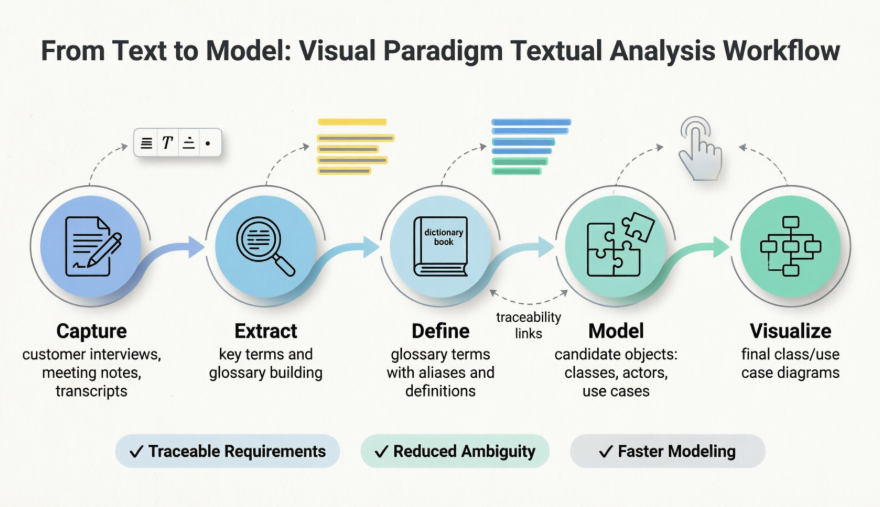
Introduction En tant que gestionnaires de produits et analystes métier, nous avons tous été là : assis dans une réunion
Continue reading
Introduction Si vous avez déjà eu du mal à expliquer comment plusieurs scénarios d’interaction s’articulent au sein d’un flux de
Continue reading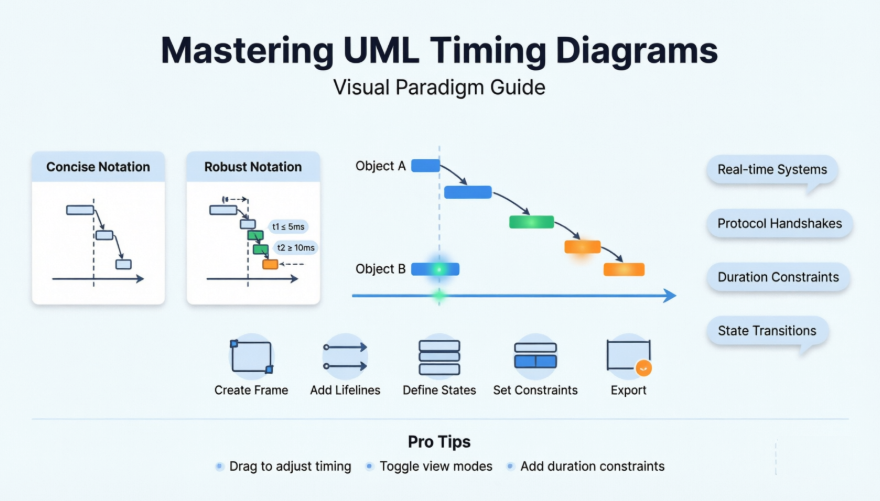
Introduction En tant que personne ayant passé des années à modéliser des systèmes distribués complexes, j’ai souvent trouvé les diagrammes
Continue reading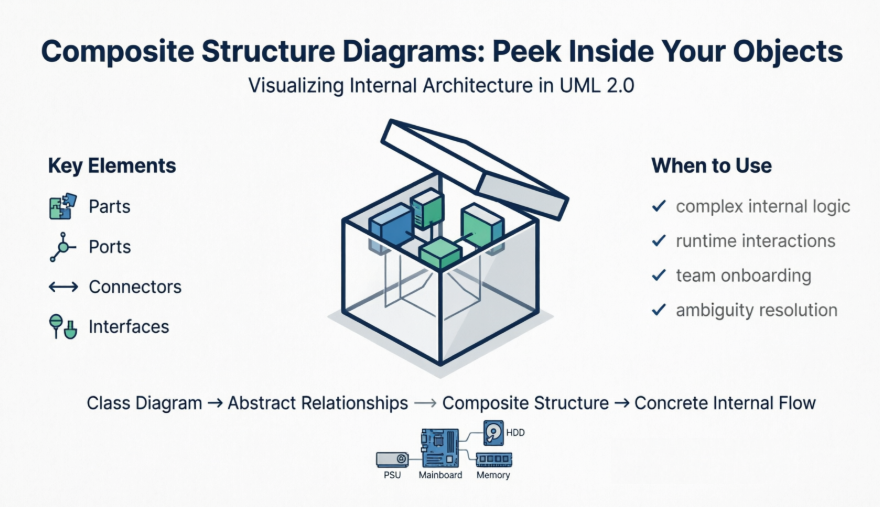
Introduction : Pourquoi je me suis tourné vers les diagrammes de structure composite En tant qu’architecte logiciel ayant passé des
Continue reading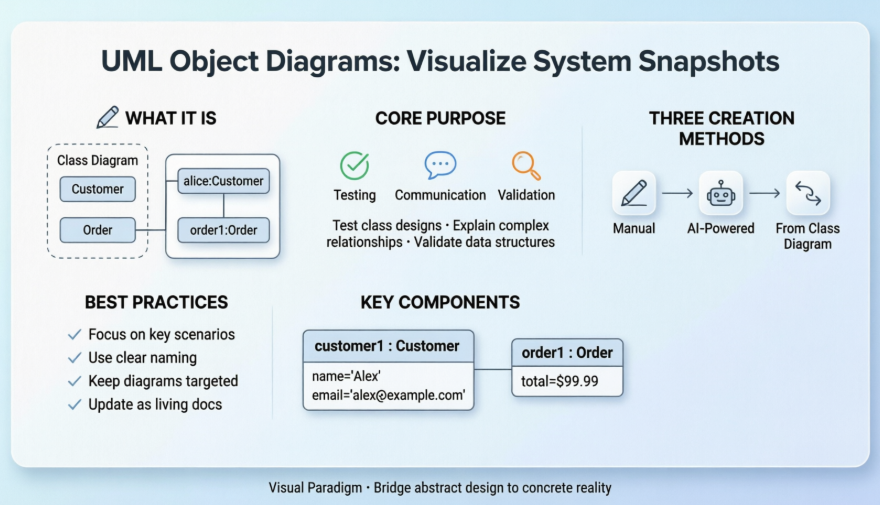
Introduction : Pourquoi les diagrammes d’objets méritent votre attention En tant que personne ayant participé à de nombreuses discussions sur
Continue reading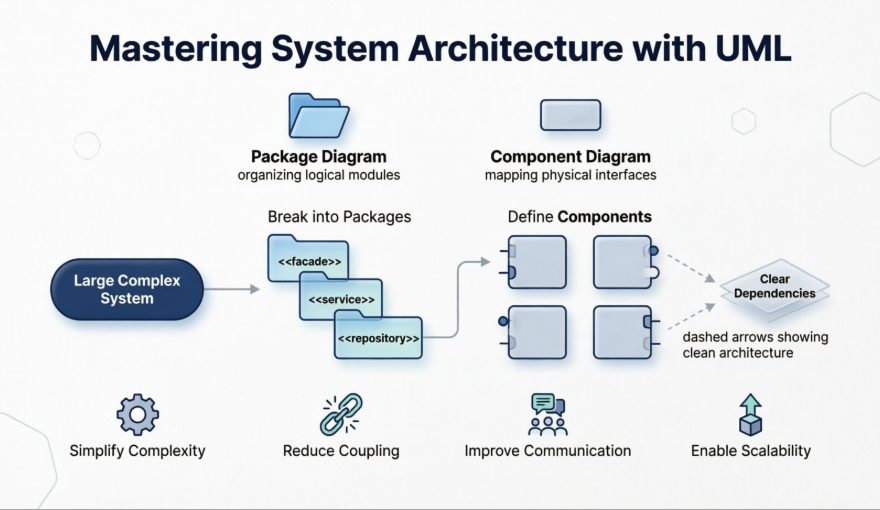
Introduction À mesure que les systèmes logiciels deviennent plus complexes, le défi de maintenir une documentation architecturale claire et navigable
Continue reading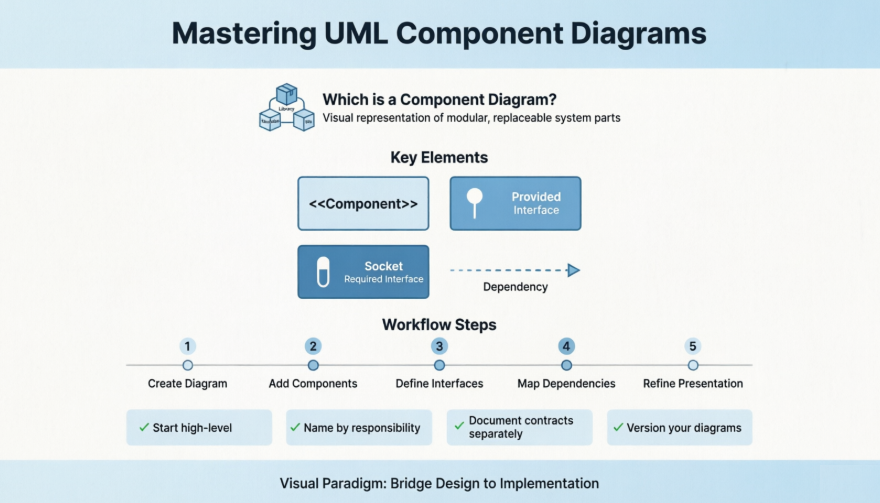
Introduction : pourquoi les diagrammes de composants sont-ils importants dans la conception logicielle moderne En tant que personne ayant navigué
Continue reading