Introduction Good documentation does more than store information; it helps people understand it. As product managers and technical leads, we
Continue reading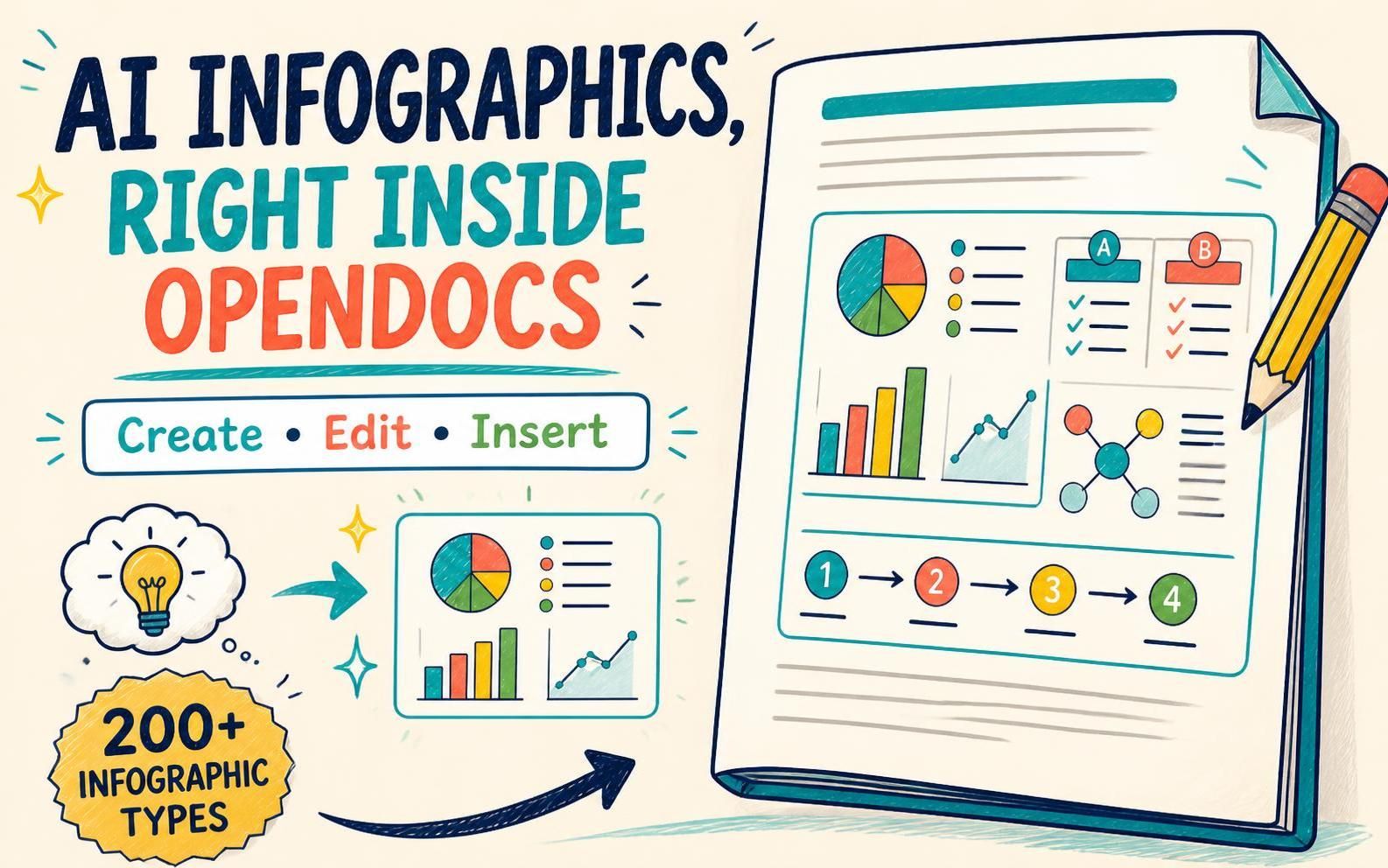
Learning one new thing everyday
Introduction Good documentation does more than store information; it helps people understand it. As product managers and technical leads, we
Continue readingIntroduction Enterprise Architecture (EA) is often misunderstood as a purely theoretical exercise in drawing complex diagrams. In reality, effective EA
Continue reading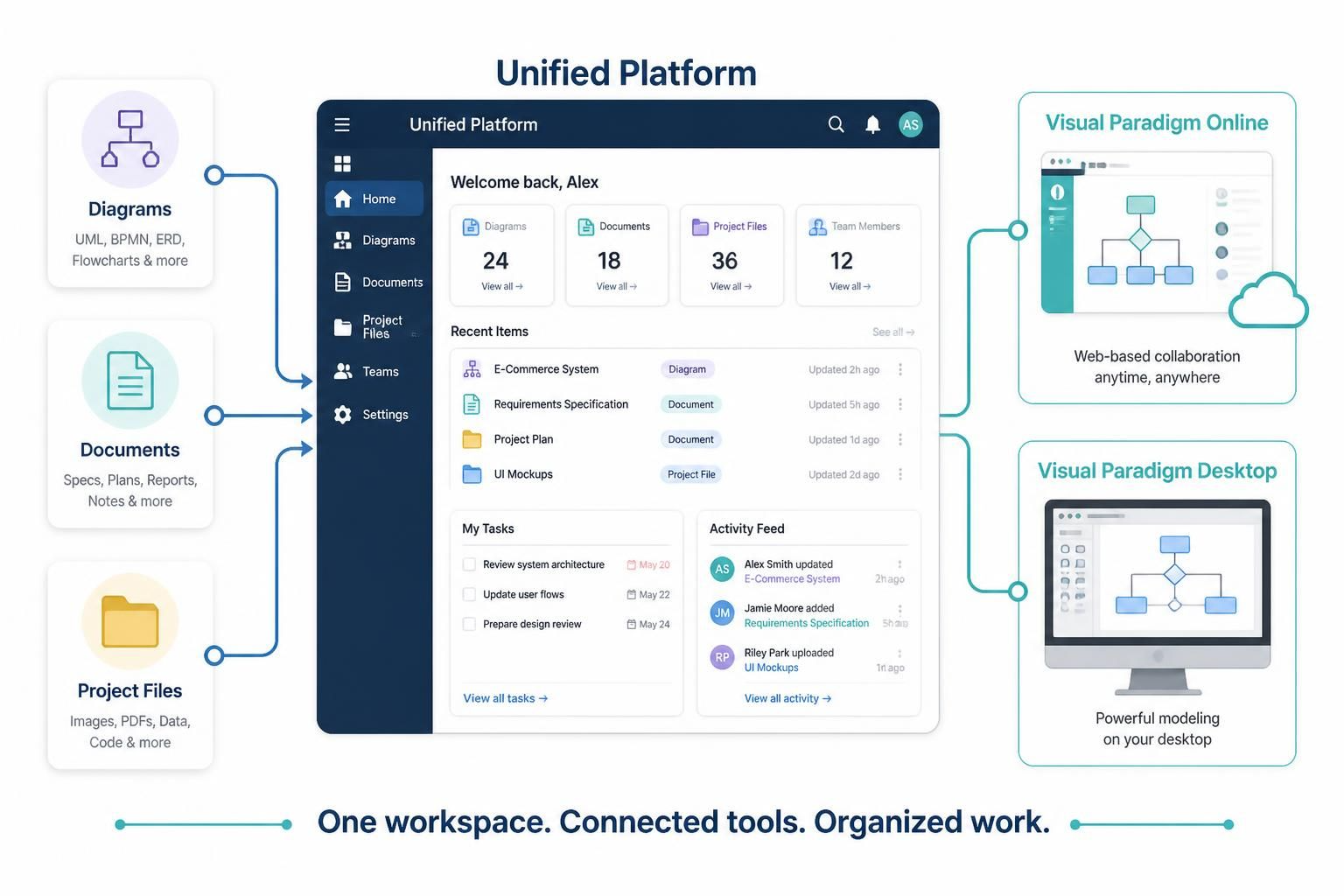
Introduction When diagrams, documents, and project files live in separate tools, it can be difficult to keep work organized and
Continue reading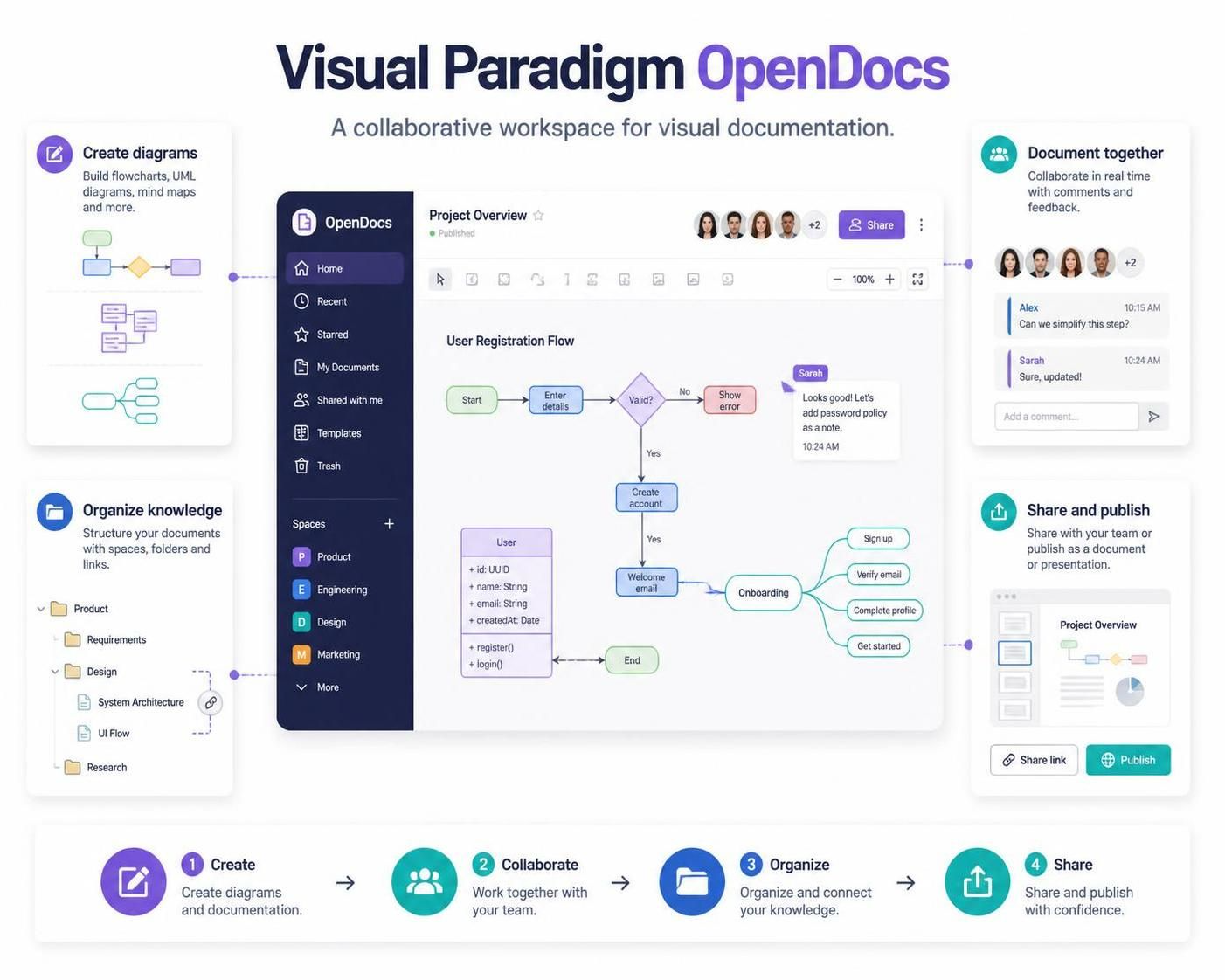
The overview image presents OpenDocs as a place to create diagrams, document together, organize knowledge, and share or publish the
Continue readingVisual Paradigm Online is a browser-based workspace for creating diagrams and other visual materials. It brings together tools for software
Continue reading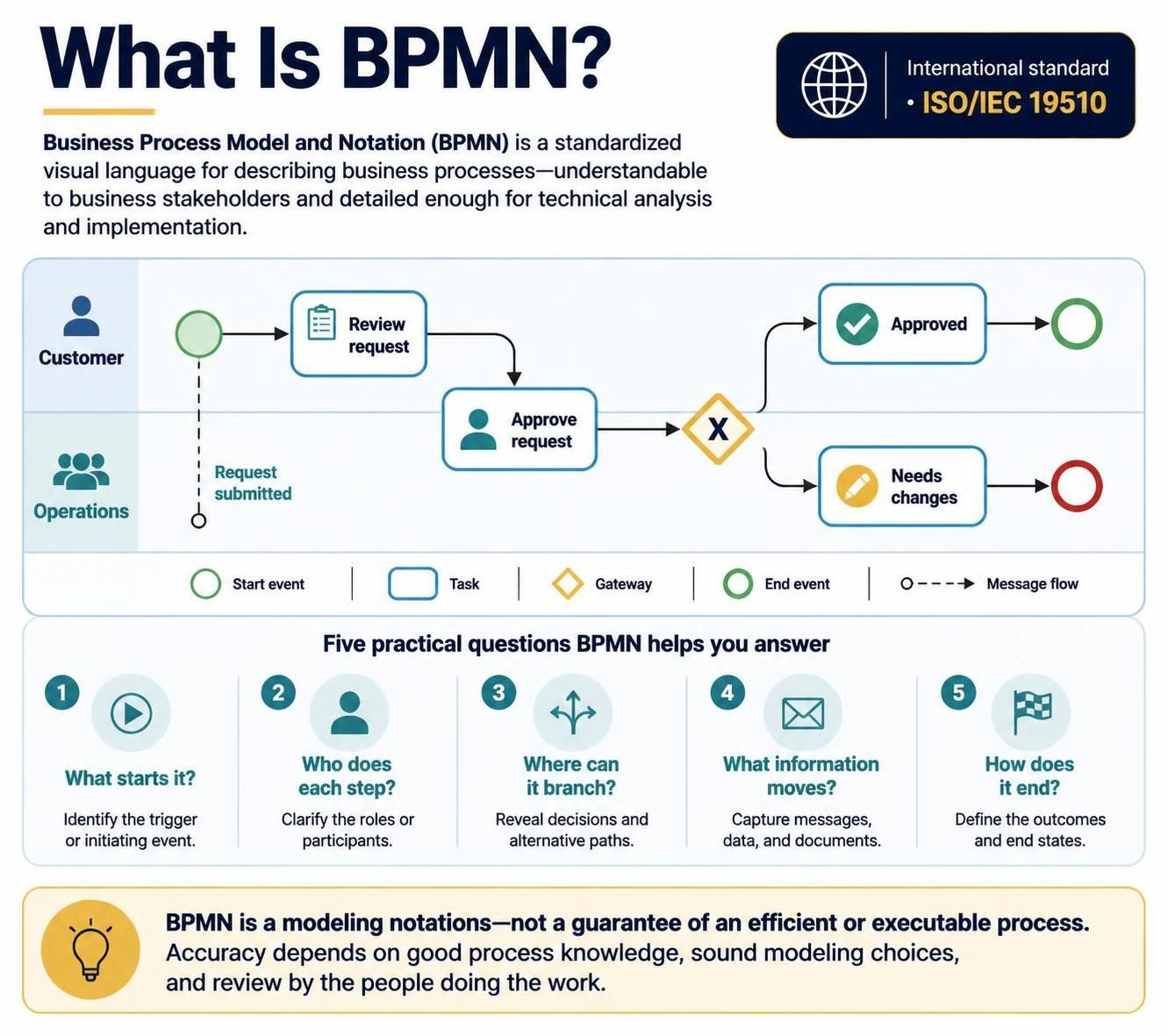
1. What BPMN is Business Process Model and Notation (BPMN) is a standardized visual language for describing business processes. It
Continue reading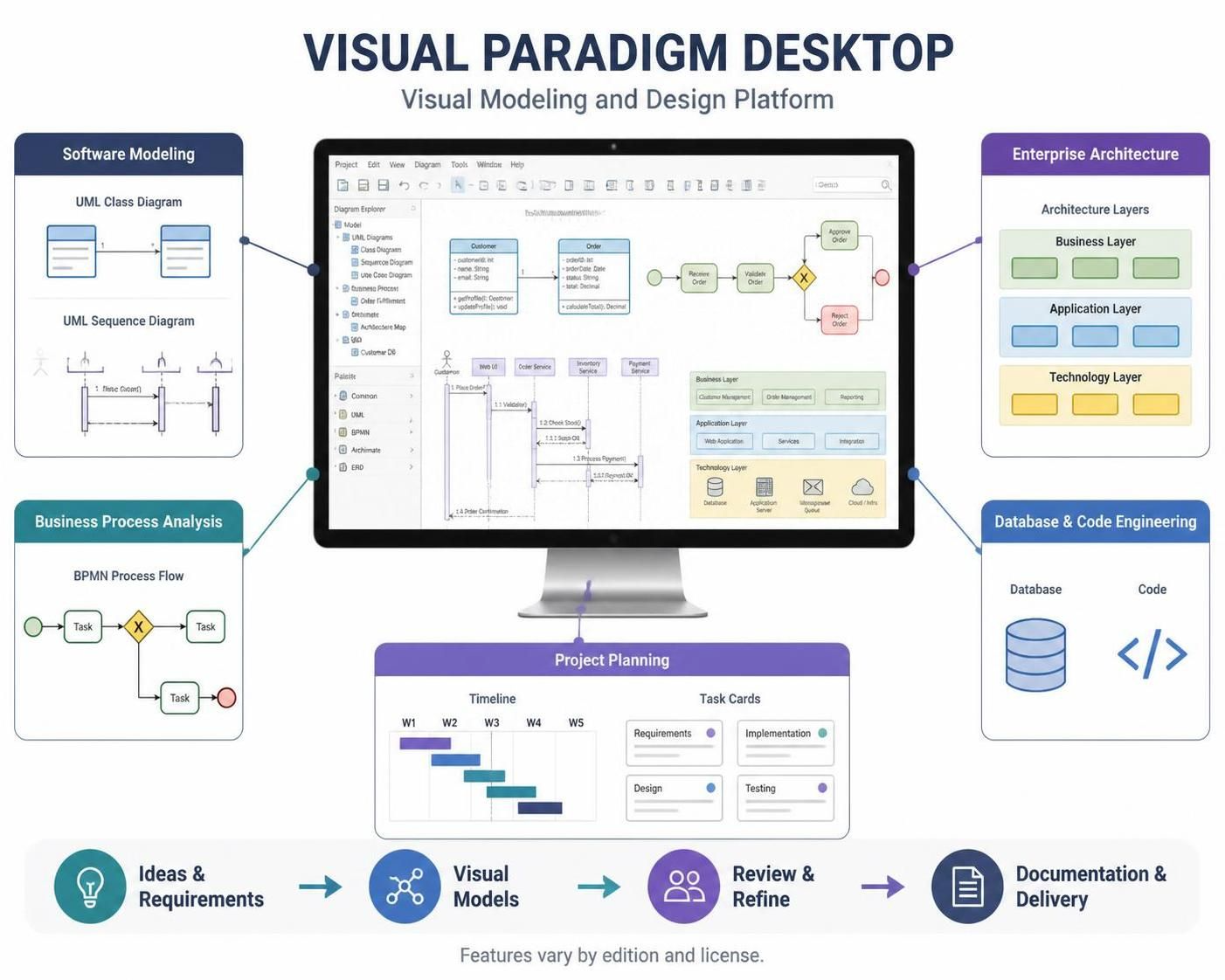
Visual Paradigm Desktop is a visual modeling and design application for turning ideas, requirements, processes, and system designs into structured
Continue reading引言 软件架构、业务流程和产品需求都在不断变化,但文档中的说明和图表往往不会同步更新。结果是团队手里有多份互不一致的资料:正文在一个工具里,模型在另一个工具里,图表则可能只是过时的截图。 Visual Paradigm OpenDocs 的核心思路,是把文字说明与视觉模型放到同一知识空间中管理。团队可以在页面中组织文档、嵌入图表,并结合 Visual Paradigm Desktop 或 VP Online 等工具创建和维护模型。这样,文档不只是项目结束时交付的静态文件,也可以成为伴随产品演进的知识库。 一、OpenDocs 的核心概念 OpenDocs 是 Visual Paradigm 生态中的在线知识管理与文档工作空间。它将页面、文字内容和视觉资料组织在一个知识库中,适合用于技术文档、架构说明、流程指南和团队知识沉淀。
Continue reading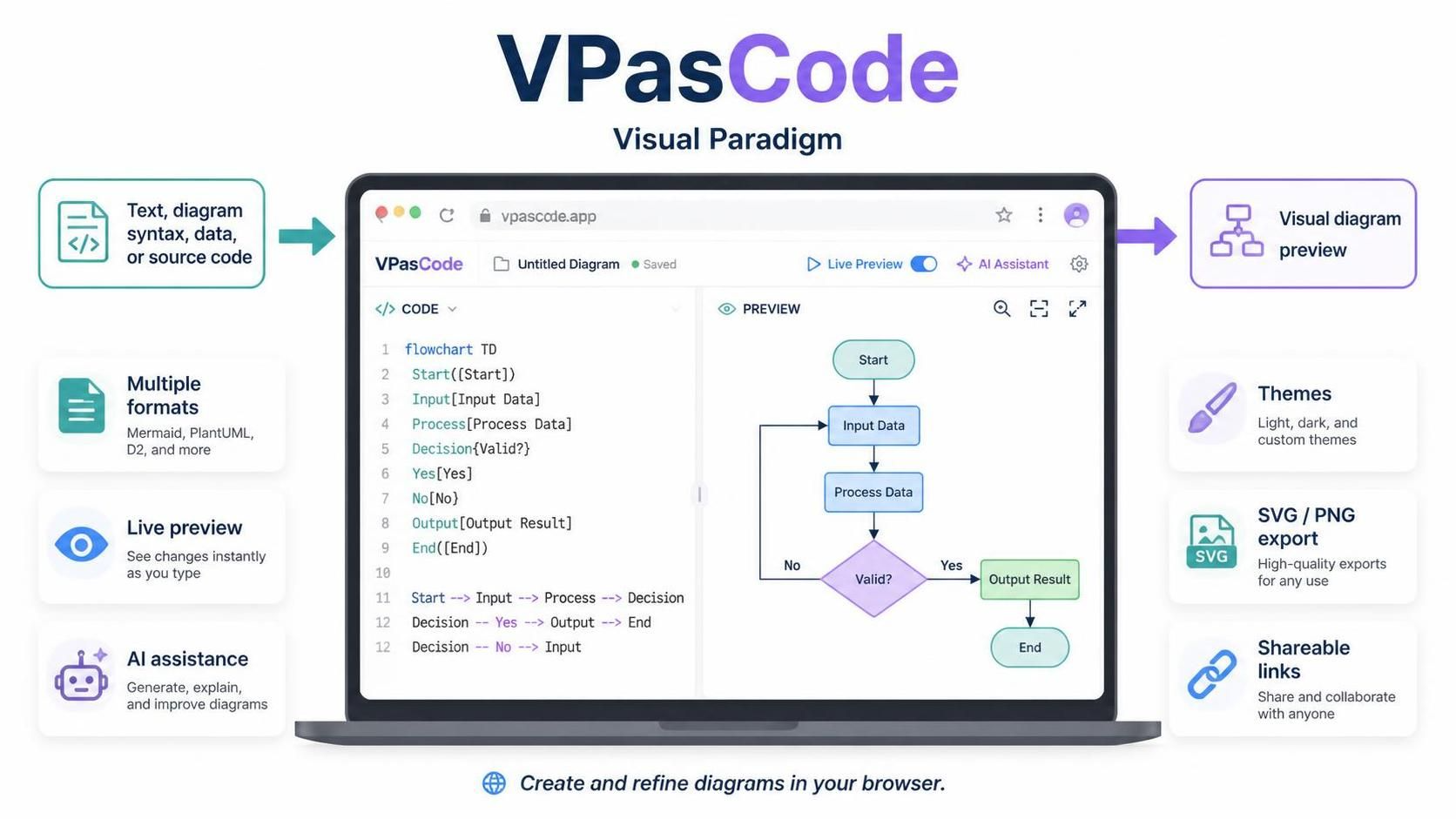
VPasCode is Visual Paradigm’s browser-based diagram-as-code editor. You write or paste text—diagram syntax, data, or supported source code—and the tool
Continue reading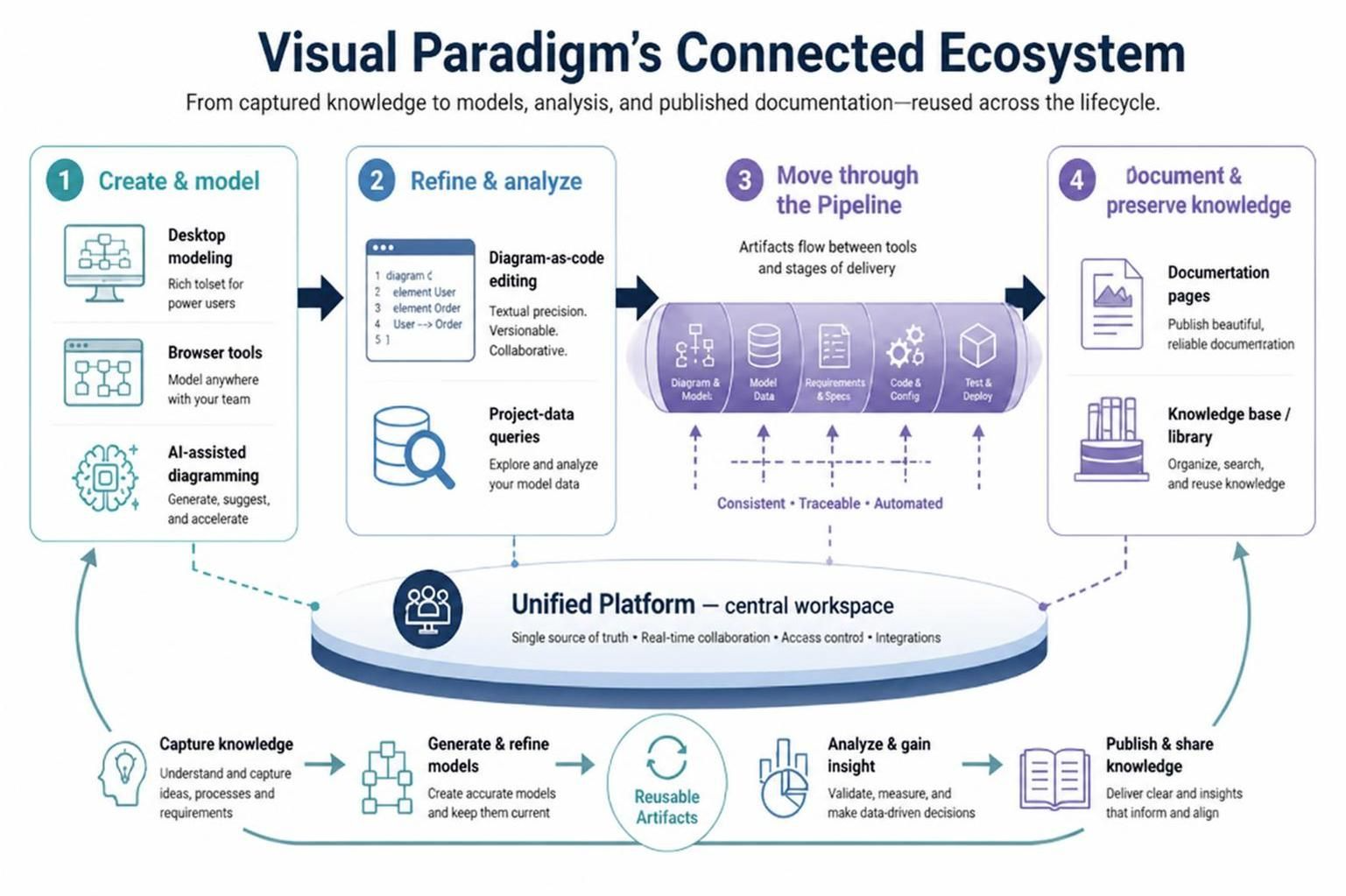
Visual Paradigm’s ecosystem brings together desktop modeling, browser-based tools, AI-assisted diagramming, diagram-as-code editing, project-data queries, and knowledge management. The main
Continue reading