A Comprehensive Guide to 14 Types of UML Diagram

14 प्रकार के UML आरेख के लिए एक व्यापक मार्गदर्शिका

The Unified Modeling Language is a standardized general-purpose modeling language and nowadays is managed as a de facto industry standard by the Object Management Group (OMG). UML includes a set of graphic notation techniques to create visual models for software-intensive systems. In UML 2.2 there are 14 types of UML diagrams, which are divided into two categories

Continue reading
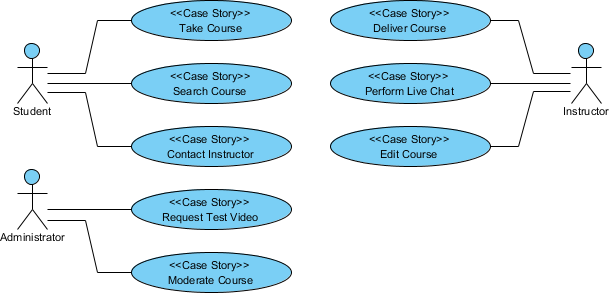
Use Case Modeling

उपयोग केस मॉडलिंग

A UML use case diagram is the primary form of system/software requirements for a new software program under developed. Use cases specify the expected behavior (what) of a system, and not the exact method of making it happen (how). A complete set of use cases specifies all the different ways to use the system and therefore defines all behavior required of the system bounding the scope of the system.

Continue reading
Agile Use Case Modeling with Use Case 2.0 Automated Process Tool

उपयोग केस 2.0 स्वचालित प्रक्रिया उपकरण के साथ लचीला उपयोग केस मॉडलिंग

Use Case 2.0 is a scalable and agile approach that uses use cases to capturing requirements and driving the incremental development of a system to fulfill them. It helps you understand how the system will be used and leading you through the development of an appropriate system to support the users.

Continue reading
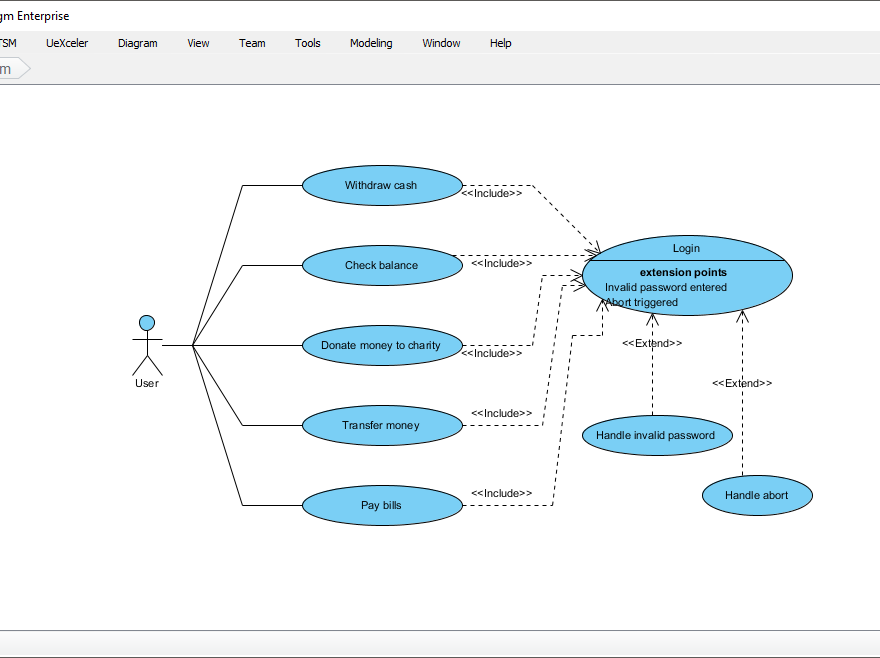
Use Case Tutorial for Dummies

शुरुआती लोगों के लिए उपयोग केस ट्यूटोरियल

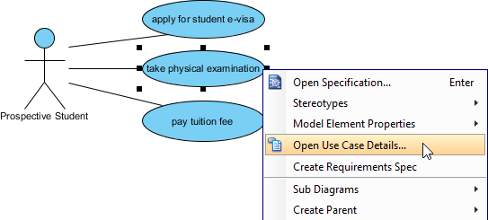
A use case diagram models different types of users interact with the system to solve a problem. As such, it describes the goals of the users, the interactions between the users and the system, and the required behavior of the system in satisfying these goals. Use cases define interactions between external actors and the system to attain particular goals. A use case diagram contains four main components

Continue reading
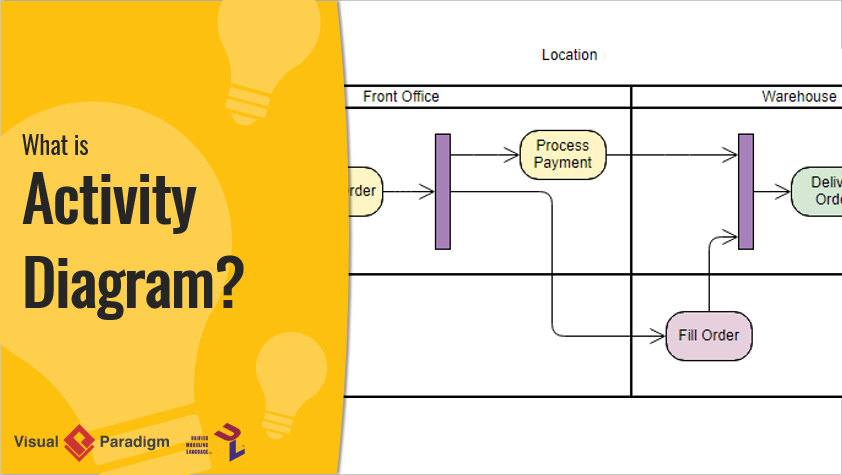
उपयोग केस और गतिविधि आरेख के साथ यूएमएल क्या से कैसे

उपयोग केस और गतिविधि आरेख के साथ यूएमएल क्या से कैसे

Use case diagrams and activity diagrams are behavioral UML diagrams that describe the dynamic characteristics of a system. The difference between use case diagrams and activity diagrams is that use case diagrams help to model the system, user interactions, while activity diagrams help to model the workflow of the system and are often used to illustrate the internal logic of use cases. These diagrams offer multiple advantages. They help model business requirements and understand the functionality of the system at a high level.

Continue reading
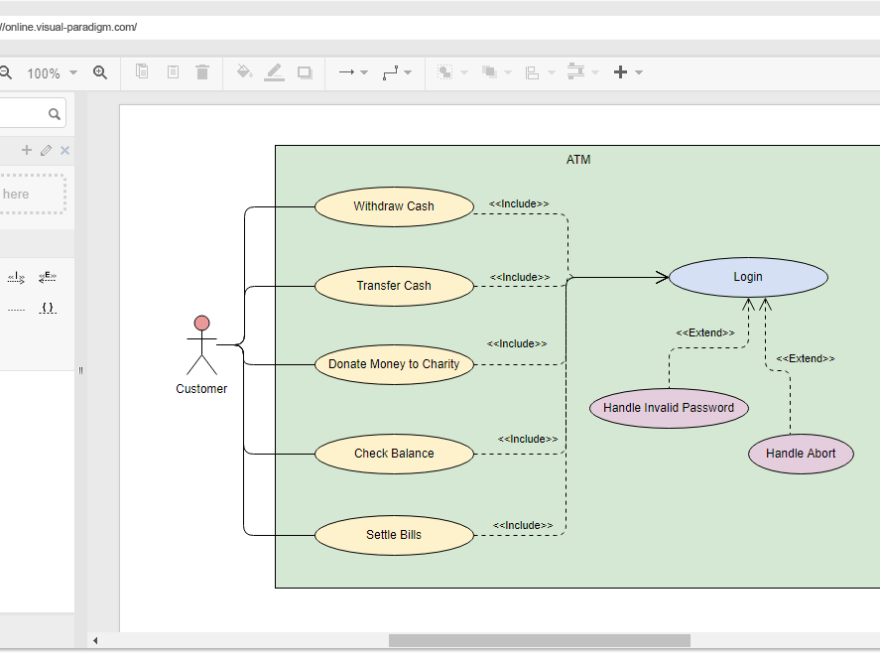
All You Need to Know About Use Case Modeling

उपयोग केस मॉडलिंग के बारे में आपको जो भी जानना चाहिए

Use cases describe how users use the system to achieve specific goals. A use-case diagram consists of a system, related use cases, and actors, and relates them to each other to visualize: What is it describing? (System), who is using the system? What are the actors trying to achieve? Thus, use cases help ensure that the right system is developed by capturing requirements from the user’s point of view.

Continue reading