用例建模是捕获需求的有用工具。它提供了软
Continue reading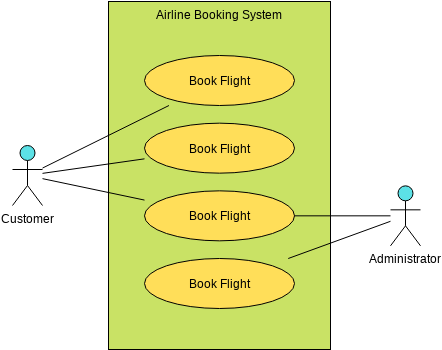
聚焦资讯科技内容领域最前沿资讯,网络精华,心得交流
用例建模是捕获需求的有用工具。它提供了软
Continue reading
UML用例图是开发中的新软件程序的系统/软件需求的主要形式。用例图的目的是可视化系统应该做什么(what);在这个阶段,它不考虑如何做(how)。
Continue reading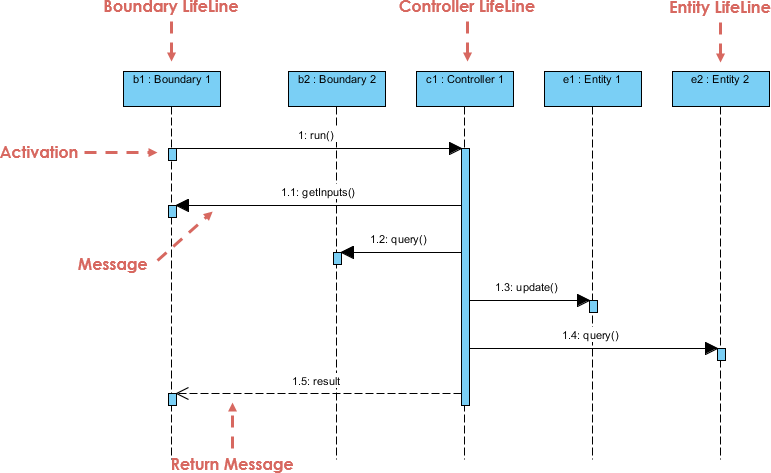
模型-视图-控制器(MVC)是一种基本设计模式,它将用户界面逻辑与业务逻辑分开。模型-视图-控制器(MVC)模式是将一个应用程序划分为三个不同的组成部分;模型、视图和控制器。这种模型-视图-控制器可以用定型的UML符号中的鲁棒性分析进行最好的视觉描述,这是由Ivar Jacobson在他的获奖书《面向对象的软件工程》中首次提出的。
Continue reading![Top 30 Best UML Modeling Software [2022]](https://www.cybermedian.com/cn/wp-content/uploads/sites/6/2026/02/sequence-diagram-1-880x658.png "Top 30 Best UML Modeling Software [2022]")
Finding a UML modeling software? Today we will examine the best UML tools available – 2022 latest!
Continue reading敏捷时代的UML。为什么它仍然有意义? 这取决于目标系统的规模和复杂性。VP在线免费版是一个免费的在线绘图软件,供个人和非商业使用。你可以创建无限数量的图纸,并将图纸导出为图片。没有广告,没有时间限制,也不要求你提供任何支付信息。它根本就是免费的!
Continue reading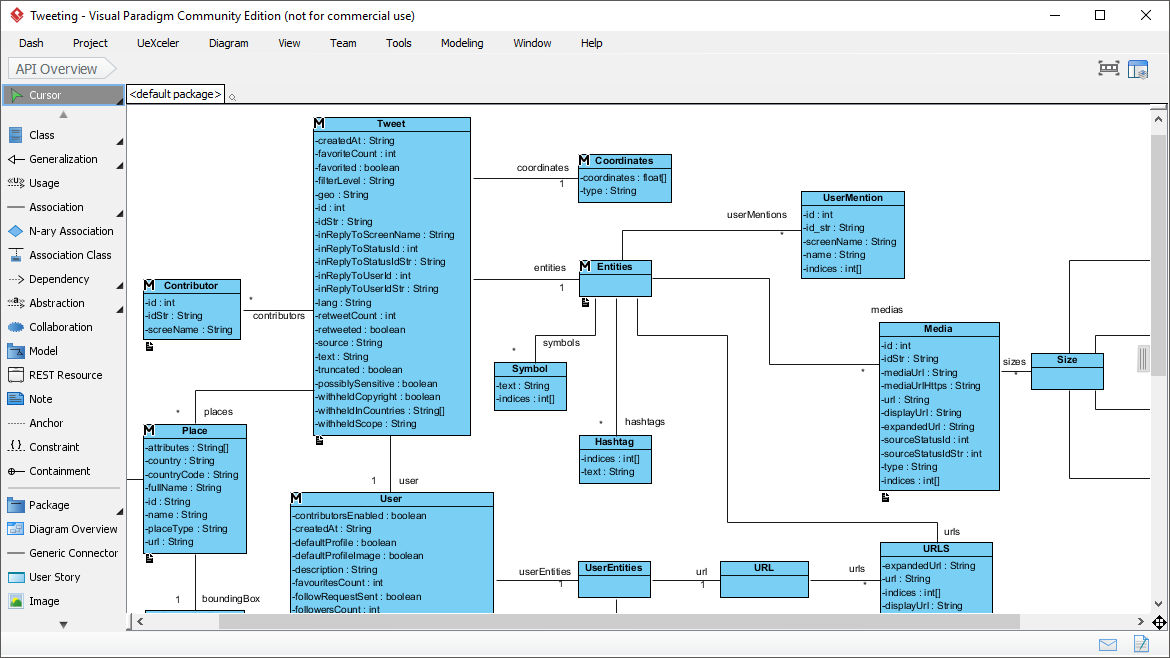
类图在系统设计的许多阶段都很有用。在分析阶段,类图可以帮助你理解问题域的要求并确定其组成部分。在面向对象的软件项目中,在项目的早期阶段创建的类图包含了一些类,这些类在编写代码时往往会被转换成实际的软件类和对象。
Continue reading
统一建模语言(UML)的开发是为了创造一种通用的可视化建模语言,用于大型软件系统的结构和行为的架构、设计和实现。UML在软件开发之外也有应用,如工业流程。这是对UML的介绍。你将学习什么是UML,UML的历史是什么,以及对所有UML图表类型的全面描述。
Continue reading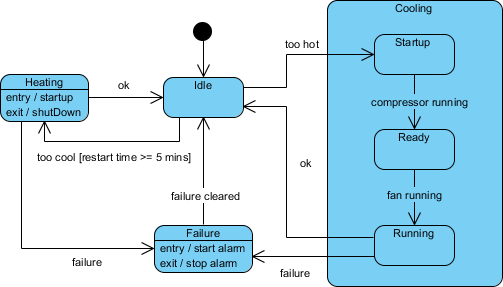
一个简单的状态是一个没有子结构的状态。一个拥有子结构(嵌套状态)的状态被称为复合状态。子结构可以被嵌套到任何级别。一个嵌套的状态机最多可以有一个初始状态和一个最终状态。子结构被用来简化复杂的平面状态机,表明一些状态只可能在一个特定的环境(包围状态)中出现。
Continue reading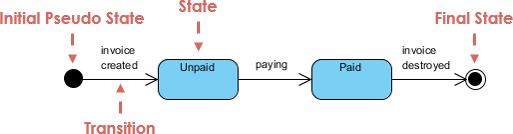
状态转换图展示了一个对象在其生命周期中所经历的状态序列。它被用来描述一个对象或一个组件的状态变化。
Continue reading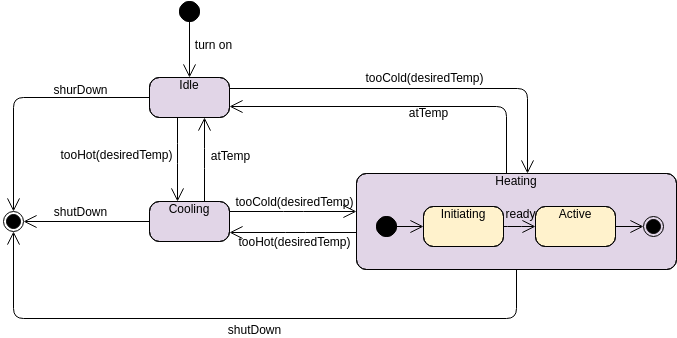
行为的东西是UML模型的动态部分。这些是一个模型的动词。代表了时间和空间上的行动。一般来说,有两种主要的行为事物。(1) 交互 (2) 状态机。它们是你可能包含在UML模型中的基本行为事物,通常是状态机图。在语义上,这些元素通常与各种结构元素相连,主要是类、协作和对象。
Continue reading