Mục đích của UML Ngôn ngữ mô hình hóa thống nhất (UML) là một ngôn ngữ chuẩn để xác định,
Continue reading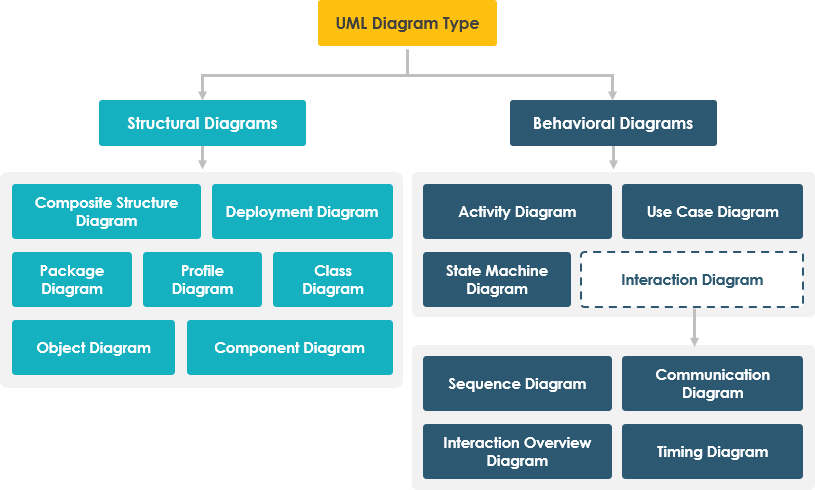
Học một điều mới mỗi ngày
Mục đích của UML Ngôn ngữ mô hình hóa thống nhất (UML) là một ngôn ngữ chuẩn để xác định,
Continue reading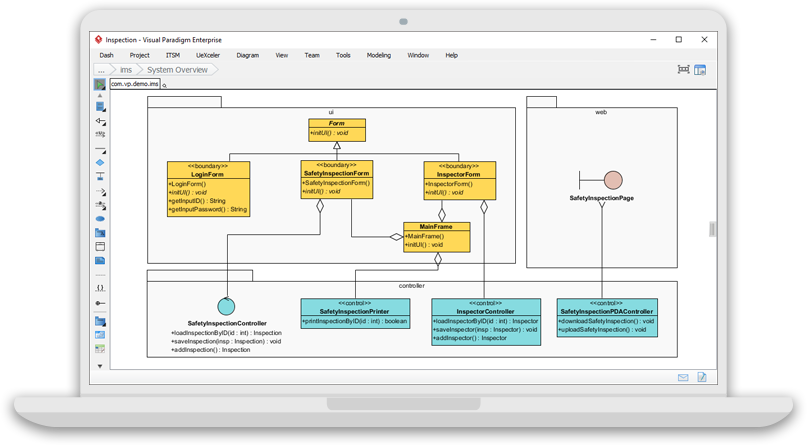
Giới thiệu Sơ đồ Ngôn ngữ mô hình hóa thống nhất (UML) là những công cụ thiết yếu trong kỹ
Continue reading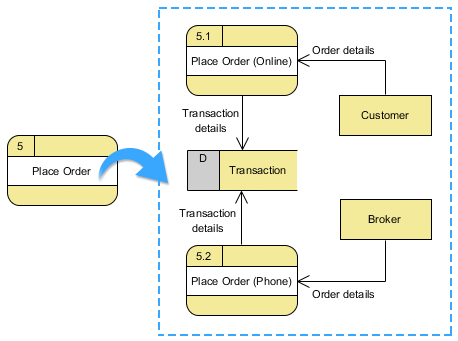
Sơ đồ luồng dữ liệu (Các sơ đồ luồng dữ liệu) đã trở thành nền tảng trong phân tích và
Continue reading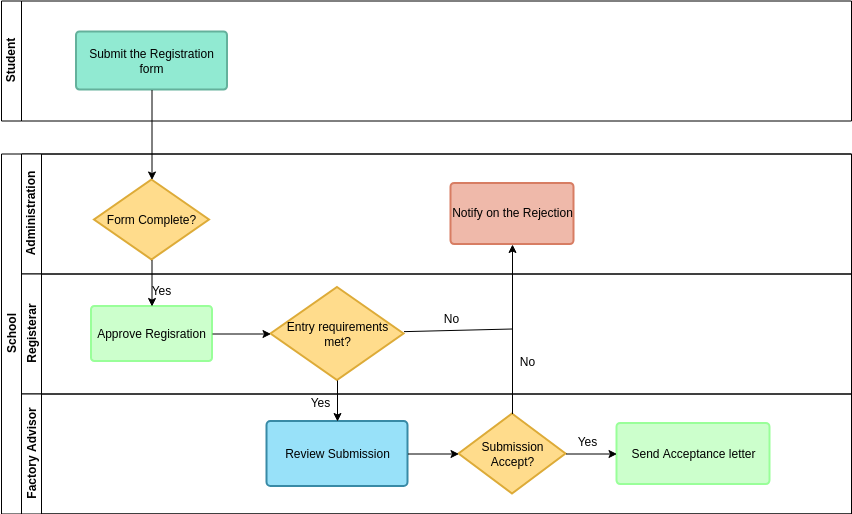
Giới thiệu Sơ đồ hoạt động đường bơi là một loại UML (Ngôn ngữ mô hình hóa thống nhất) sơ
Continue reading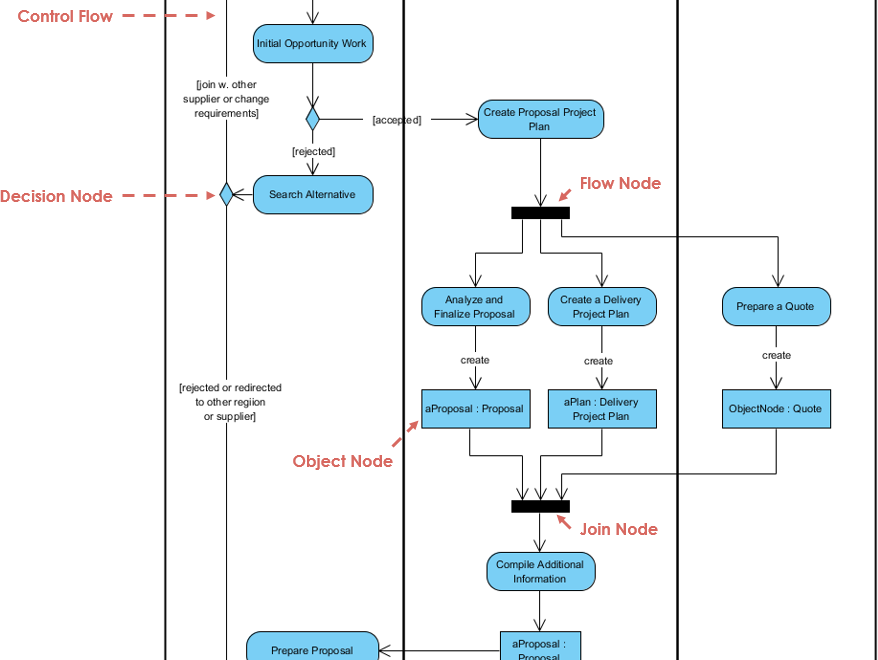
Giới thiệu Sơ đồ hoạt động đường bơi là một loại sơ đồ UML (Ngôn ngữ mô hình hóa thống
Continue reading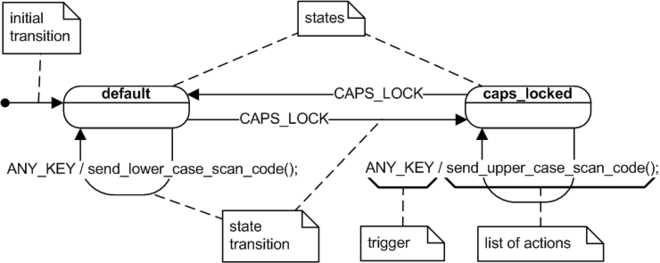
Ngôn ngữ mô hình hóa thống nhất (UML) Sơ đồ Máy trạng tháilà những công cụ mạnh mẽ để mô
Continue reading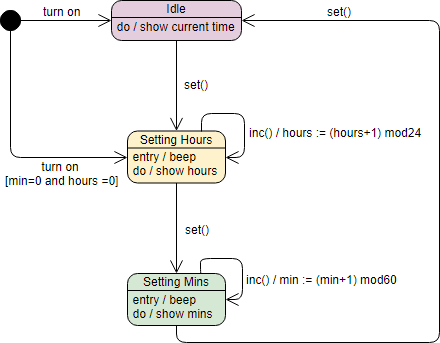
Sơ đồ trạng thái UML, còn được gọi là sơ đồ máy trạng thái, là một loại sơ đồ hành
Continue reading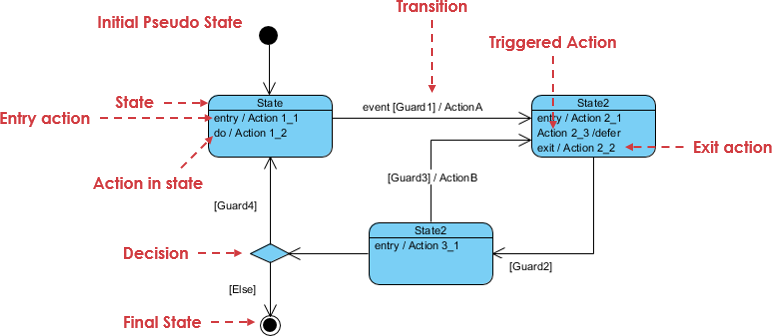
Sơ đồ máy trạng thái là một phần quan trọng của Ngôn ngữ mô hình hóa thống nhất (UML), được
Continue reading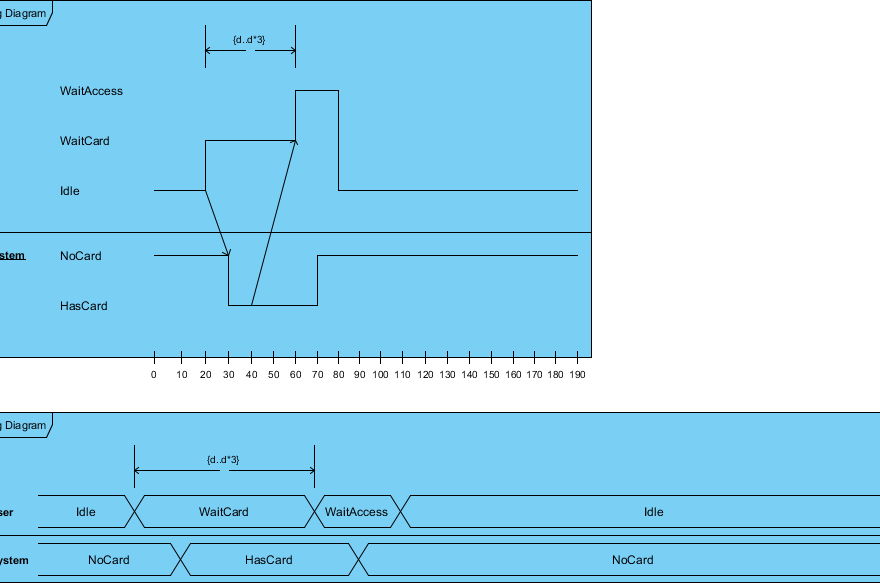
Ngôn ngữ mô hình hóa thống nhất (UML) Sơ đồ thời gianlà một loại sơ đồ tương tác tập trung
Continue readingGiới thiệu Các trường hợp sử dụnglà một công cụ nền tảng trong phát triển phần mềm và kỹ thuật
Continue reading