Tại sao sách lật ngày càng trở nên phổ biến? Các tài liệu đọc dựa trên giấy đang dần chuyển
Continue reading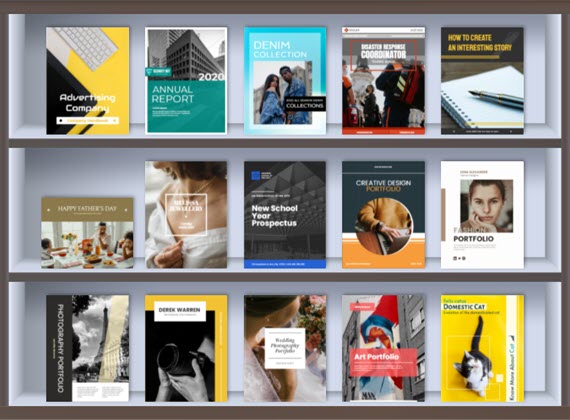
Học một điều mới mỗi ngày
Tại sao sách lật ngày càng trở nên phổ biến? Các tài liệu đọc dựa trên giấy đang dần chuyển
Continue reading
UML là gì? UML là viết tắt của Unified Model Language, là một ngôn ngữ mô hình hóa tiêu chuẩn
Continue reading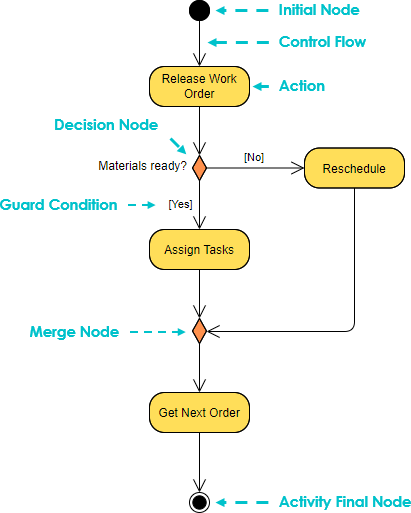
Một sơ đồ hoạt động tương tự như một sơ đồ quy trình kinh doanh (hoặc BPMN) hoặc một sơ
Continue reading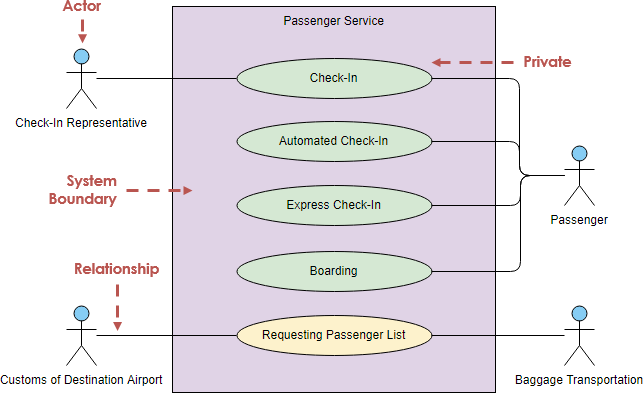
Use Case là gì? Mỗi khi chúng ta thảo luận về các yêu cầu của một hệ thống, chúng ta
Continue reading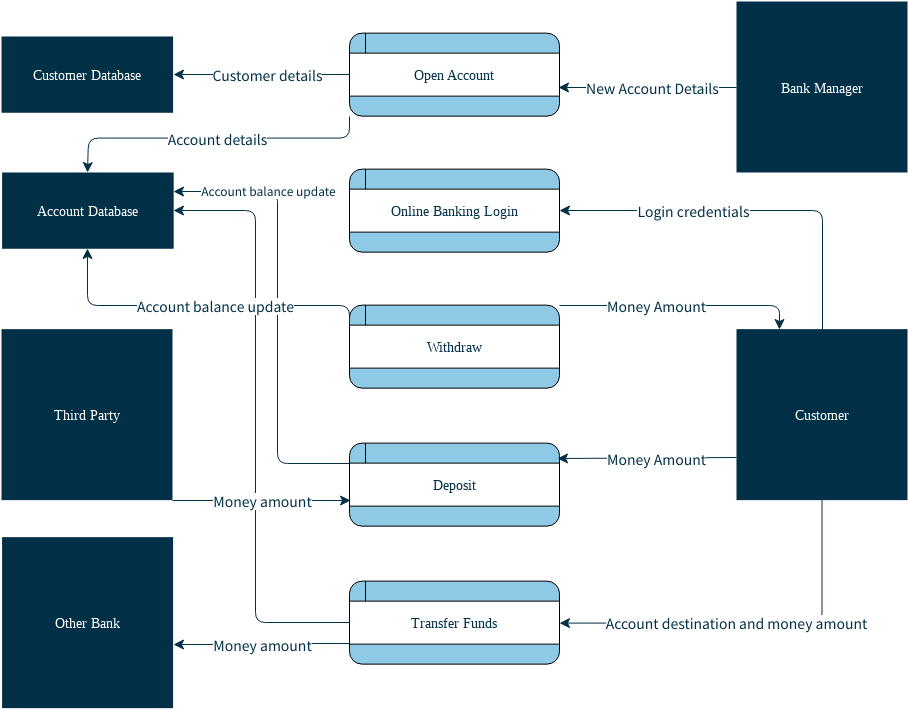
Sơ đồ luồng dữ liệu là gì? Một sơ đồ luồng dữ liệulà một biểu diễn đồ họa về luồng
Continue reading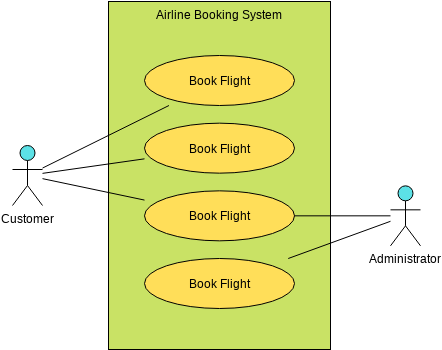
Mô hình trường hợp sử dụnglà một công cụ hữu ích để ghi lại các yêu cầu. Nó cung cấp
Continue reading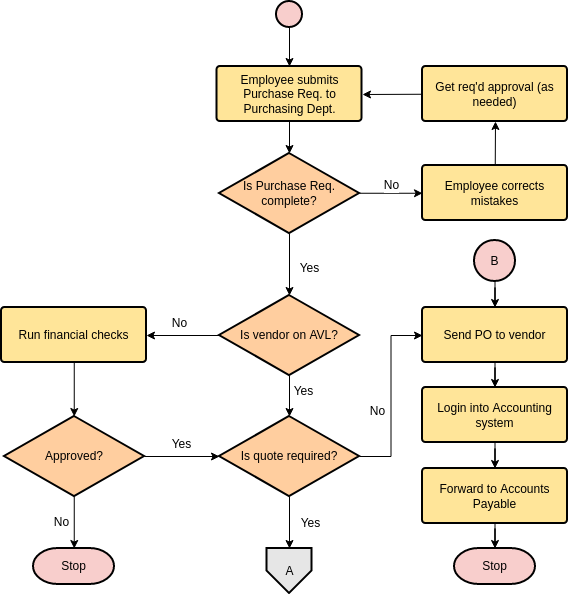
Một sơ đồ luồnglà một công cụ cho phép bạn phân tích bất kỳ quy trình nào thành các hoạt
Continue reading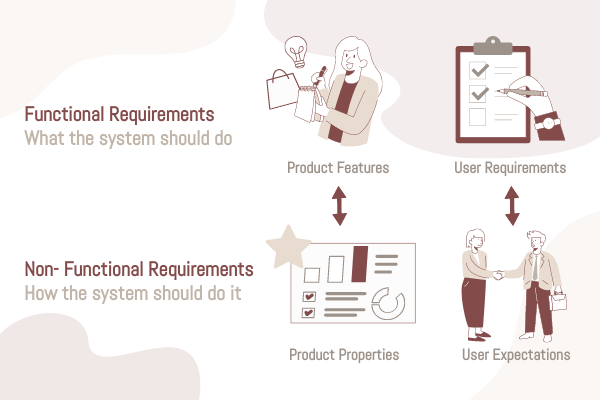
Bước đầu tiên trong việc xác định một sản phẩm, dịch vụ, quy trình hoặc hệ thống mới là xác
Continue reading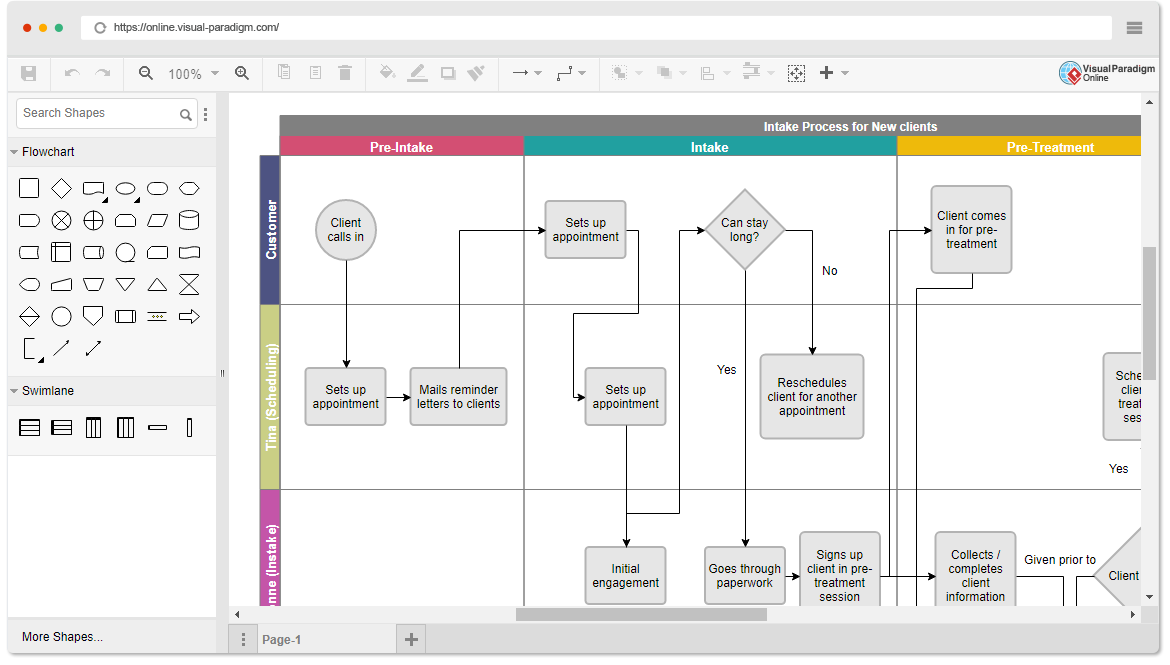
Cross-functional Flowcharts (or known as swimlane diagram, Swimlane flowchart, cross-functional process diagram) bring clarity to processes by defining who does what. Each swim lane is representative of a person, team, or stakeholder, making it evident who is responsible for which stage in the process to help avoid confusion.
Continue reading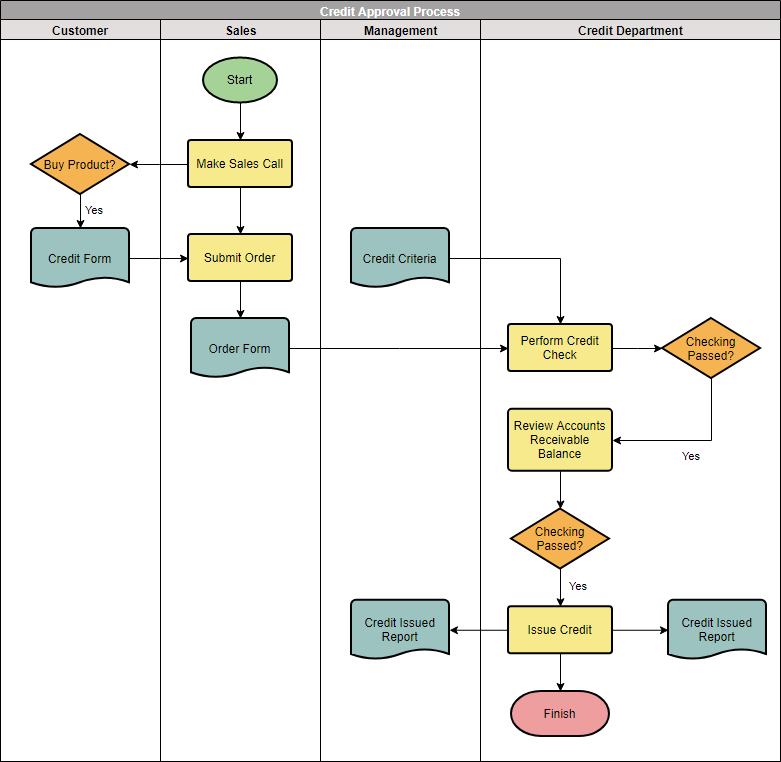
While the basic flowchart clearly illustrates the entire process, it does not clearly show which role is responsible for each step of the process. In order to effectively represent who is responsible for each process, it can be realized by swimlane flowchart, which not only reflects the whole activity control flow, but also clearly knows the responsibility that each role takes in the process.
Continue reading