Giới thiệu Ngôn ngữ mô hình hóa thống nhất (UML) đóng vai trò là một công cụ mạnh mẽ trong
Continue reading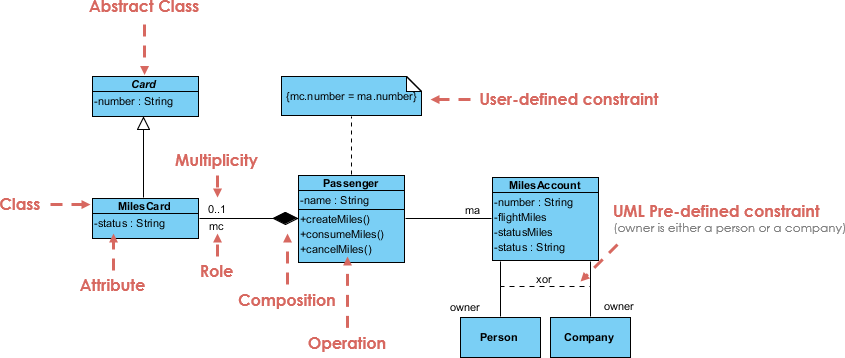
Học một điều mới mỗi ngày
Giới thiệu Ngôn ngữ mô hình hóa thống nhất (UML) đóng vai trò là một công cụ mạnh mẽ trong
Continue reading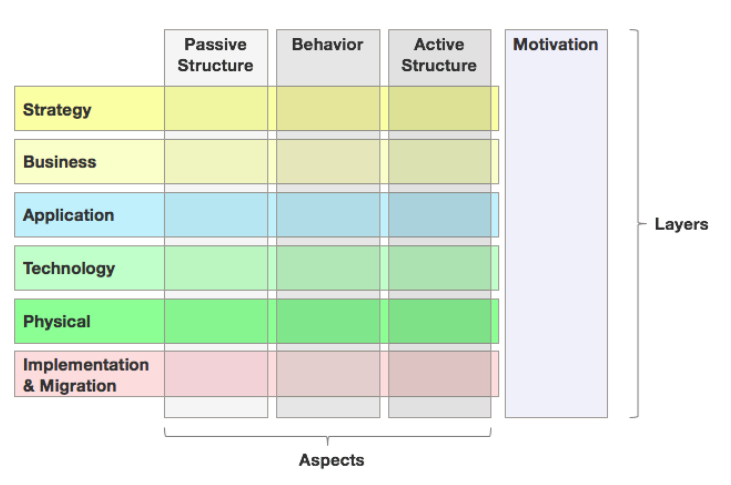
Giới thiệu Trong bối cảnh kiến trúc doanh nghiệp không ngừng thay đổi, việc giao tiếp hiệu quả là điều
Continue reading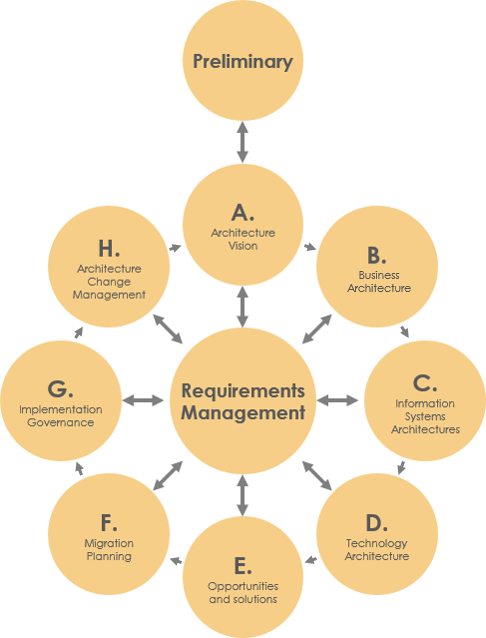
Giới thiệu Trong lĩnh vực động lực của kiến trúc doanh nghiệp, tiêu chuẩn TOGAF 10 nổi lên như một
Continue reading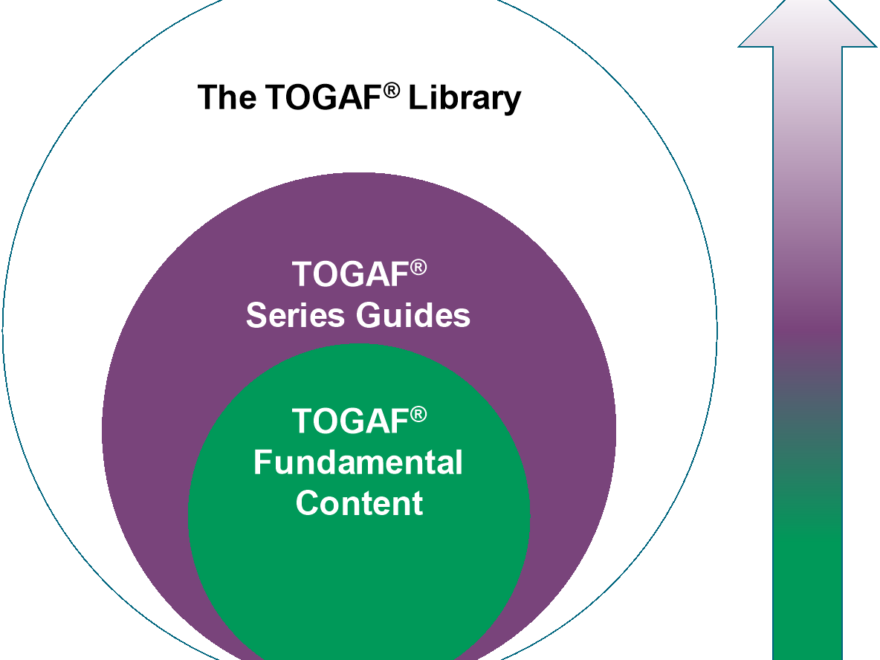
Giới thiệu TOGAF 10, phiên bản mới nhất của Khung kiến trúc của Tổ chức Mở, được biết đến với
Continue reading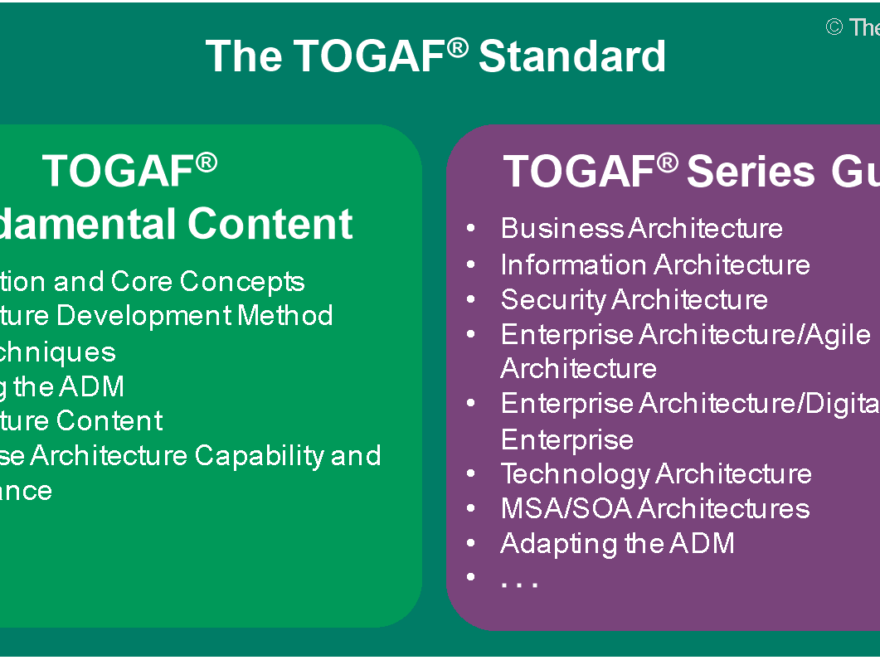
Giới thiệu Việc công bố Tiêu chuẩn TOGAF® Bản 10 đánh dấu một bước tiến quan trọng trong lĩnh vực
Continue reading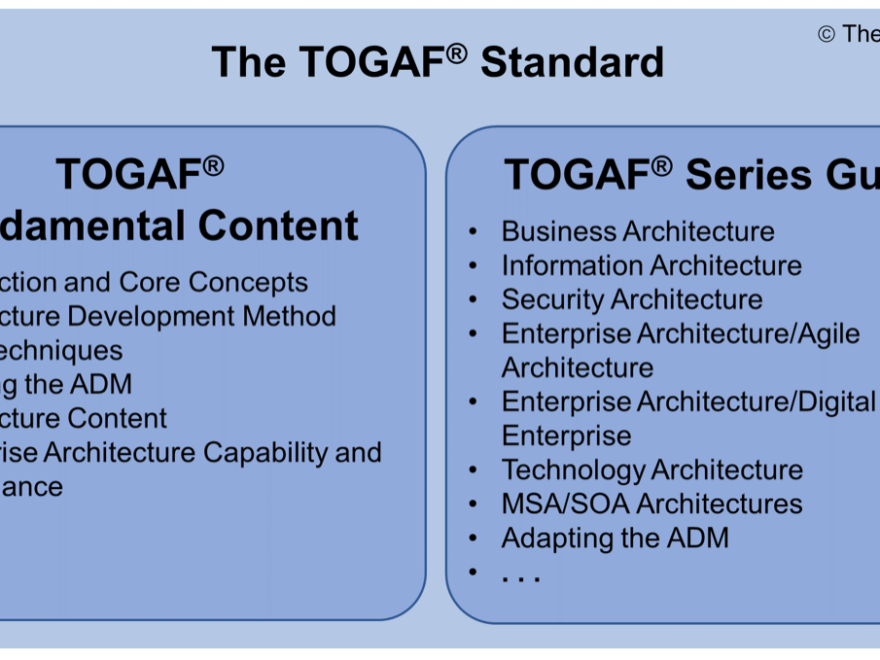
Tiêu chuẩn TOGAF, phiên bản thứ 10 được mong đợi已久 cuối cùng cũng đã xuất hiện, hứa hẹn mang đến
Continue reading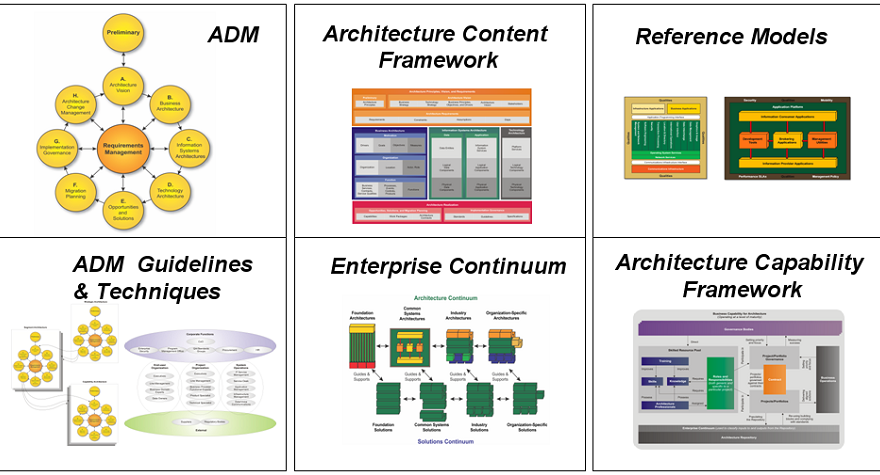
Khung kiến trúc của Tổ chức Mở, hay TOGAF®, không chỉ là một cụm từ dễ nhớ; đó là một
Continue readingGiới thiệu Bắt đầu hành trình khám phá thế giới phức tạp của Phương pháp Phát triển Kiến trúc (ADM)
Continue reading
Tiếp thị video hiệu quả vì một số lý do. Trước hết, video có tỷ lệ tương tác cao hơn
Continue reading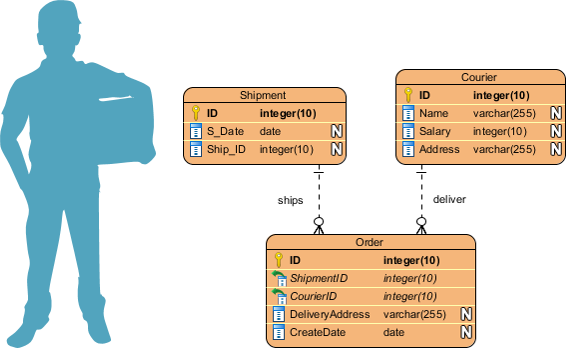
Entity Relationship (ER) diagrams provide a powerful way to visually represent the data requirements of a system and the relationships between different entities. They are particularly useful in database design, where understanding the relationships between various entities is critical to creating an efficient and effective database structure. ER diagrams help to identify the different entities, their attributes, and the relationships that exist between them, providing a comprehensive overview of the data model.
Continue reading