“Working software is the primary measure of progress.”
Continue reading
Learning one new thing everyday
“Working software is the primary measure of progress.”
Continue reading
“The most efficient and effective method of conveying information to and within a project team is face-to-face conversation.”
Continue reading
“Build projects around motivated individuals. Give them the environment and support they need, and trust them to get the job done.”
Continue reading
This principle emphasizes a partnership approach between the project team and the business sponsors. This is very consistent with the Agile Manifesto value of “collaboration over contracts.”
Continue reading
“Deliver working software frequently, from a couple of weeks to a couple of months, with a preference to the shorter timescale.”
Continue reading
“Welcome changing requirements, even late in development. Agile processes harness change for the customer’s competitive advantage.”
Continue reading
“Our highest priority is to satisfy the customer through early and continuous delivery of valuable software.”
Continue reading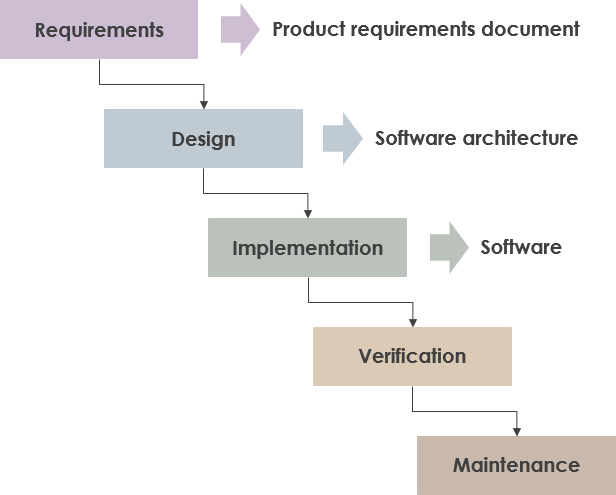
In reality, customers may not know what their needs are until they see the software at work, so changing their requirements leads to redesign, redevelopment and retesting, and increased costs. Developers may design a new software product or feature without realizing the difficulties ahead, in which case it is better to modify the design rather than insist on a design that does not take into account any newly discovered constraints, requirements, or problems. As a result, there is no guarantee that the requirements the organization has in mind will actually work.
Continue reading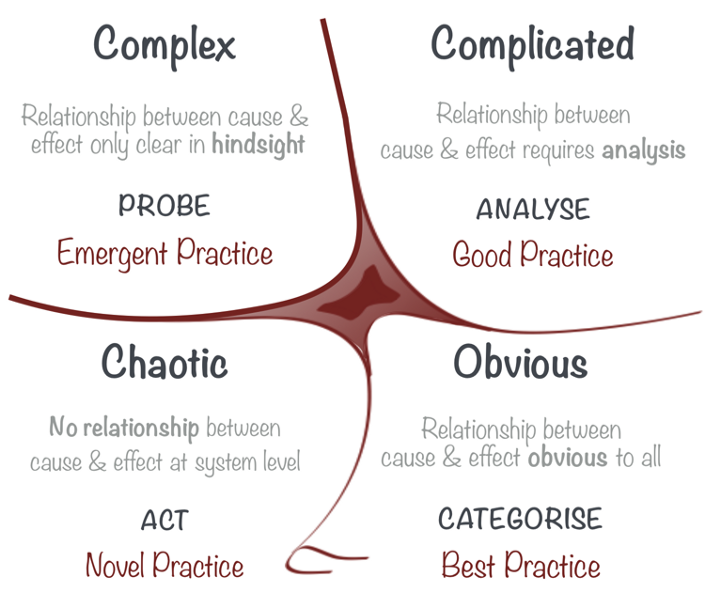
Cynefin Framework helps managers to identify how they perceive situations and make sense of their own and other people’s behavior. It draws on research into systems theory, complexity theory, network theory and learning theories.
Continue reading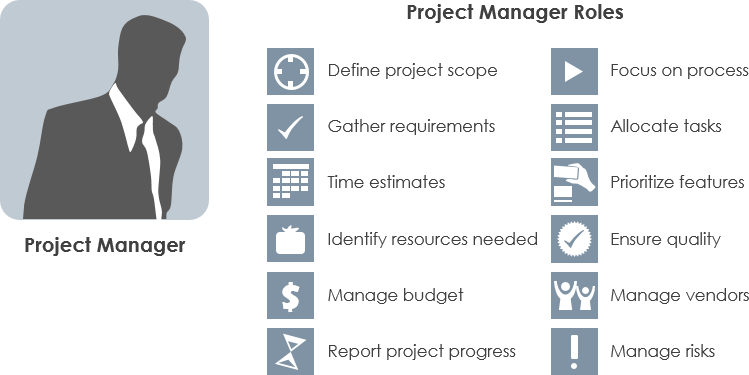
A Product Owner is responsible for telling what should be developed and the order of items that needs to be fulfilled. You can consider him as the sole authority that would tell the rest of the team what they need to create and which features should come first. In short, he is the one who tells the other members of the team about what they should be coming up with.
Continue reading