UML can be used as much or as little as you like. Martin Fowler describes three common ways that people tend to use UML: (1) UML as a sketch ; (2) UML as a blueprint ; (3) UML as a programming language.
Continue reading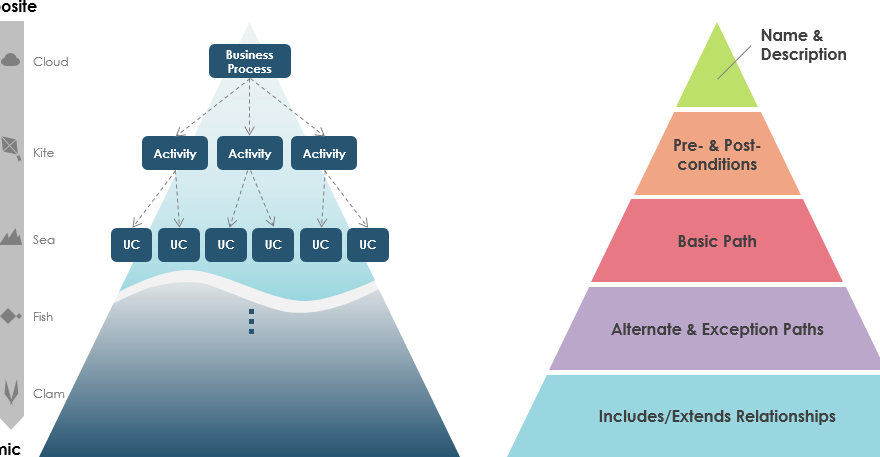
Learning one new thing everyday
UML can be used as much or as little as you like. Martin Fowler describes three common ways that people tend to use UML: (1) UML as a sketch ; (2) UML as a blueprint ; (3) UML as a programming language.
Continue reading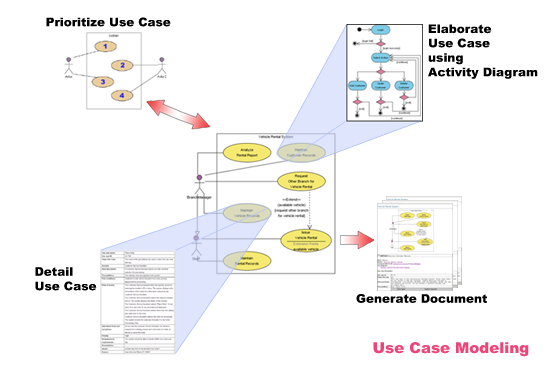
Use case diagrams and activity diagrams are behavioral UML diagrams that describe the dynamic characteristics of a system. The difference between use case diagrams and activity diagrams is that use case diagrams help to model the system, user interactions, while activity diagrams help to model the workflow of the system and are often used to illustrate the internal logic of use cases. These diagrams offer multiple advantages. They help model business requirements and understand the functionality of the system at a high level.
Continue reading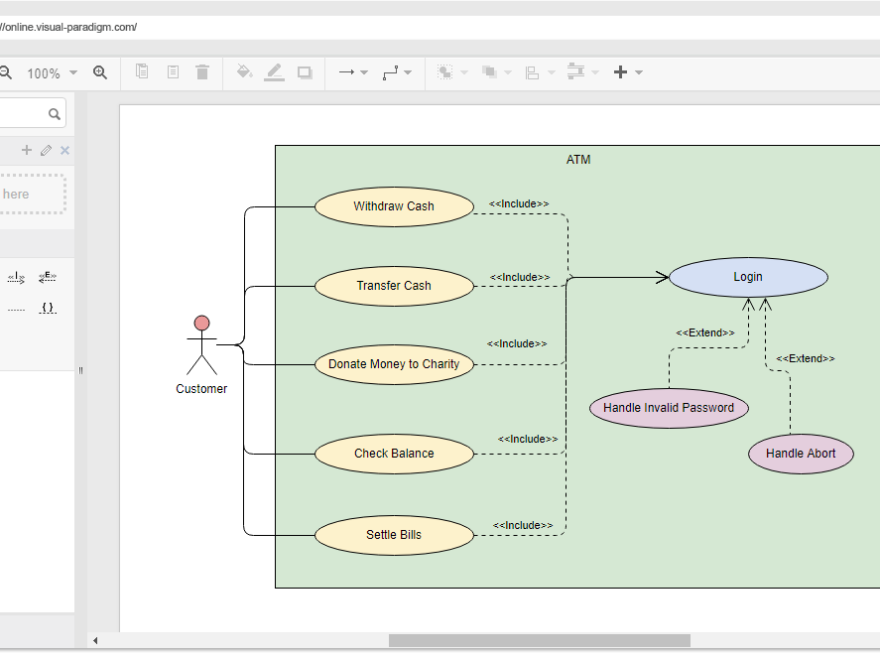
A use case diagram models different types of users interact with the system to solve a problem. As such, it describes the goals of the users, the interactions between the users and the system, and the required behavior of the system in satisfying these goals. Use cases define interactions between external actors and the system to attain particular goals. A use case diagram contains four main components
Continue reading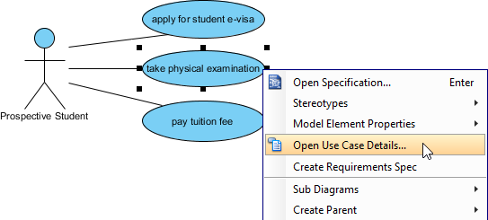
A use case is a written description of how a user performs a task on your system. It outlines the behavior of the system from the user’s perspective when responding to a request. Each use case is represented as a sequence of simple steps, starting with the user’s goal and ending when the goal is achieved.
Continue reading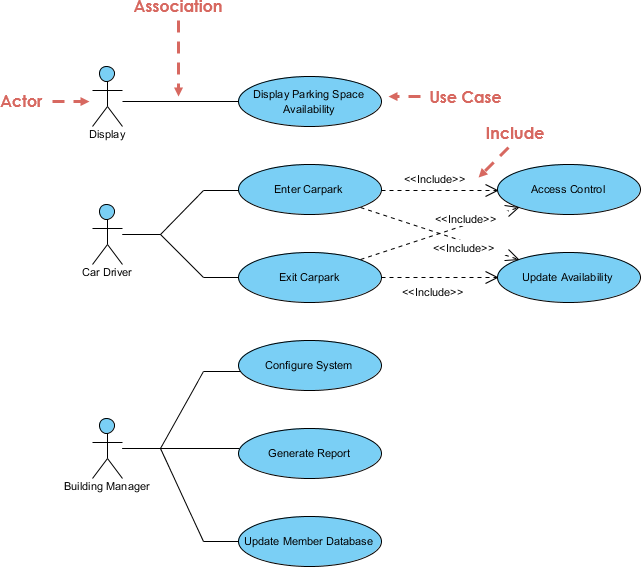
A UML use case diagram is the primary form of system/software requirements for a new software program under developed. Use cases specify the expected behavior (what) of a system, and not the exact method of making it happen (how). A complete set of use cases specifies all the different ways to use the system and therefore defines all behavior required of the system bounding the scope of the system.
Continue reading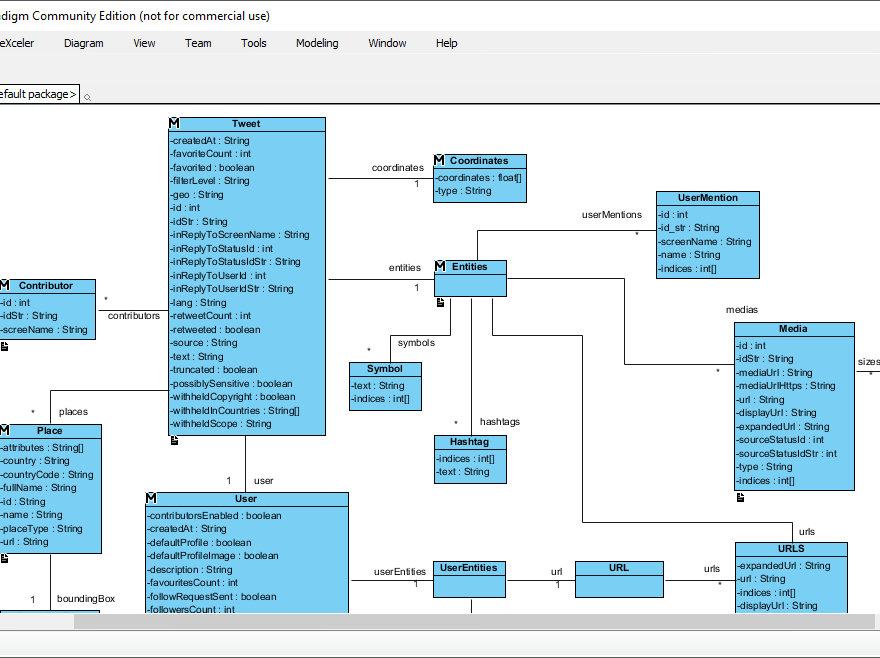
This Article will show you how to effectively apply UML modeling in both agile and just-in-time manner with the powerful Model ETL feature. A UML model or diagram is a specific view into what you are trying to understand in a specific context.
Continue reading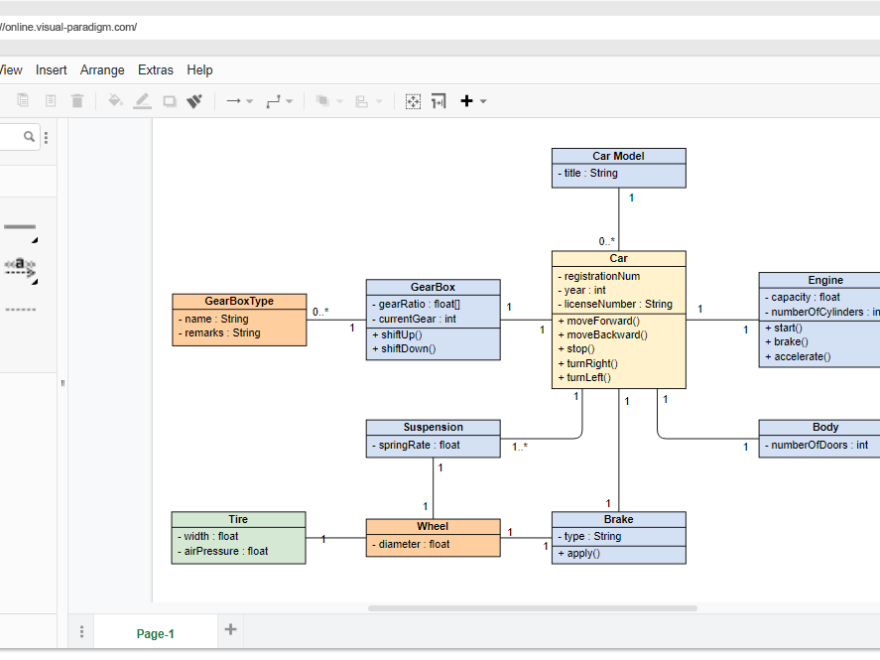
The Unified Modeling Language is a standardized general-purpose modeling language and nowadays is managed as a de facto industry standard by the Object Management Group (OMG). UML includes a set of graphic notation techniques to create visual models for software-intensive systems. In UML 2.2 there are 14 types of UML diagrams, which are divided into two categories
Continue reading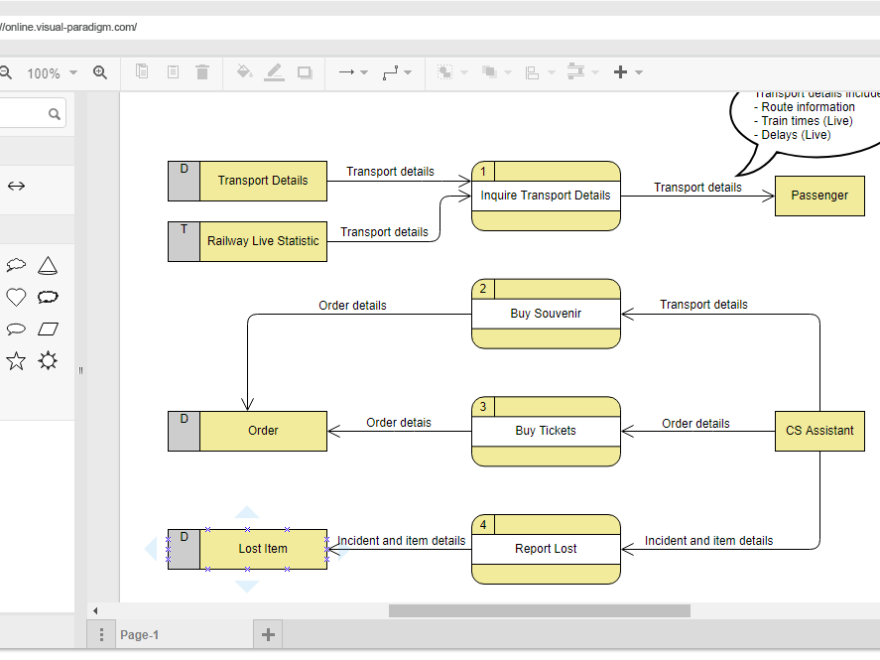
Although data flow oriented modeling is considered as an outdated technology by some software engineers, it is still one of the most widely used requirements analysis symbols. Although data flow diagrams (DFDs) are not formal parts of UML, they can be used to supplement UML diagrams and provide additional insight into system requirements and processes.
Continue reading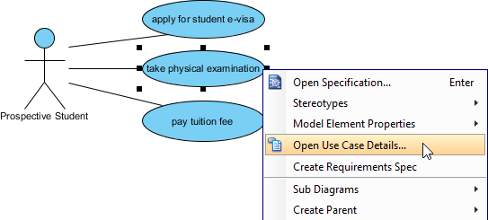
Use case modeling is a technique for capturing, modeling, and specifying system requirements that correspond to a set of behaviors that the system may perform when interacting with actors. These behaviors produce observable results and help achieve their goals. Use cases are named for the specific user goals of the principal actors, which in turn describe or explain the general order of activities and events, as well as variations in special conditions, exceptions, or error conditions, through textual description.
Continue reading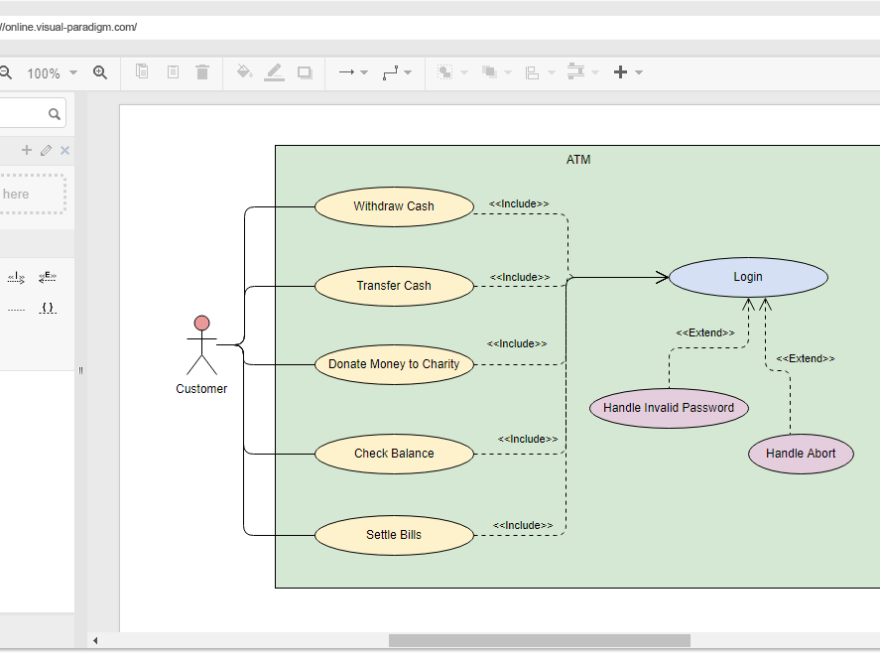
Use cases are often graphical, and use case diagrams are supported by text descriptions, including use case and participant descriptions, as well as scenarios associated with use case templates that make use case methods simple and intuitive and ideal tools for discussing and clarifying developers’ understanding of user needs.
Continue reading