What is Project Initiation Document (PID)? Using Why-What-How-When-Who Template

प्रोजेक्ट इनिशिएशन डॉक्यूमेंट (PID) क्या है? व्हाई-व्हॉट-हाउ- व्हेन-व्हो टेम्पलेट का उपयोग करके

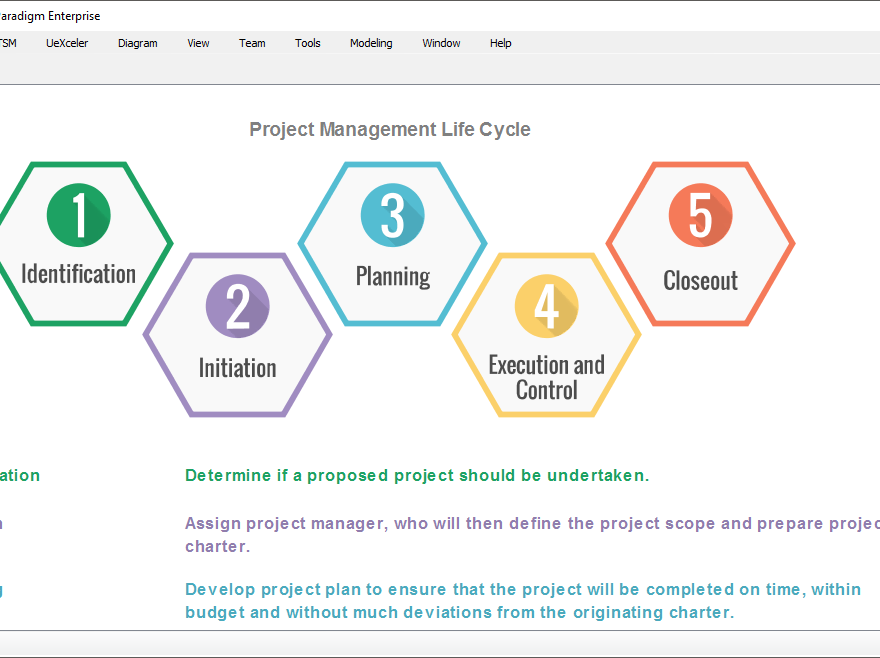
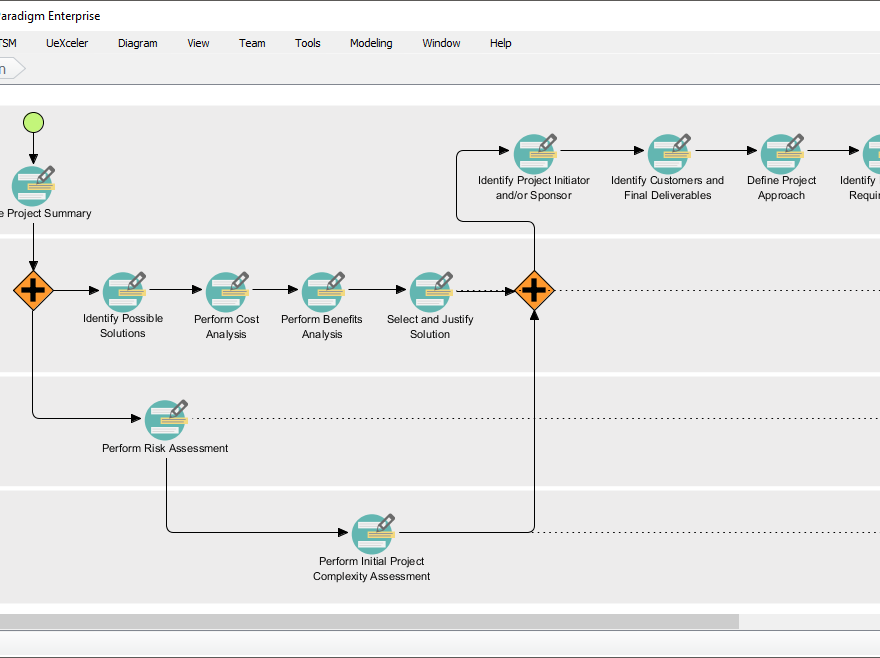
The project imitation document defines the project scope, management, and overall success criteria that the team can look back on during the project. It contains basic information about the project, such as context, scope, team and collaboration. It is equally important as an internal guide and an external stakeholder

Continue reading
Project Management — What is a Project?

प्रोजेक्ट प्रबंधन — प्रोजेक्ट क्या है?

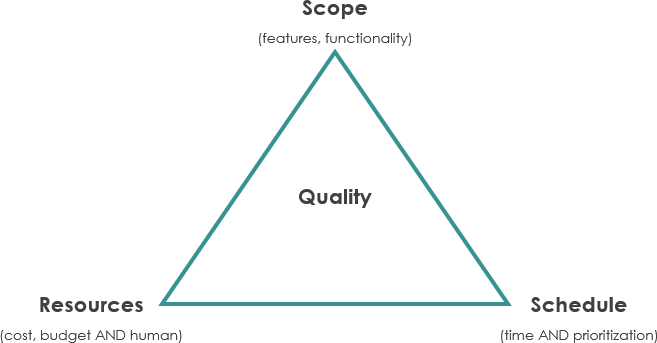
Modern and effective project management techniques require skills that allow the seamless integration of best practice tools with good leadership and team management within an organization for improving the likelihood of success of time-limited initiatives. These practices include establishing clear accountabilities, defining objectives and outcomes, establishing the scope, planning, monitoring, and reporting controls for project activities.

Continue reading
Scrum: Why Sprint Length should be Short?

स्क्रम: स्प्रिंट की लंबाई छोटी क्यों होनी चाहिए?

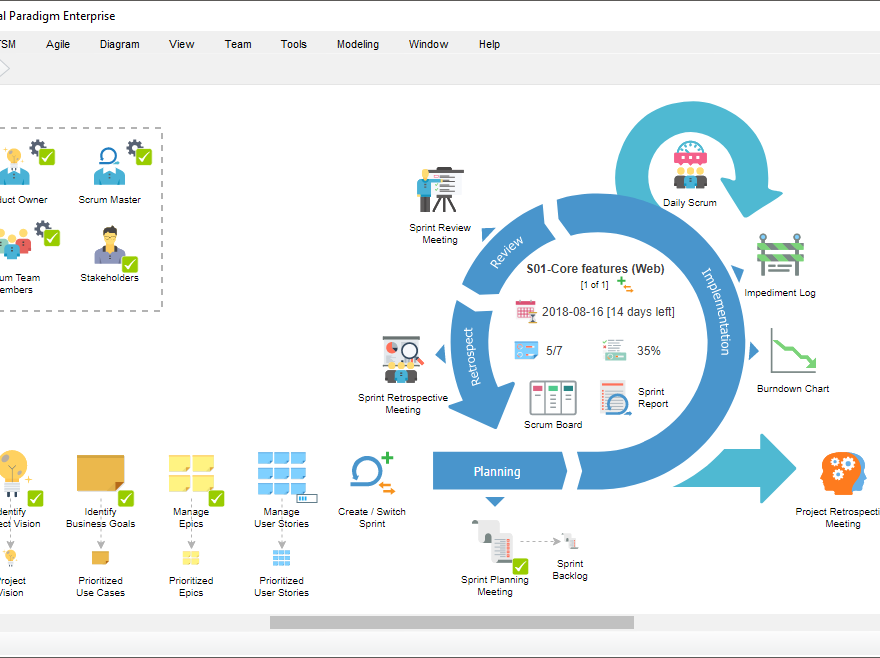
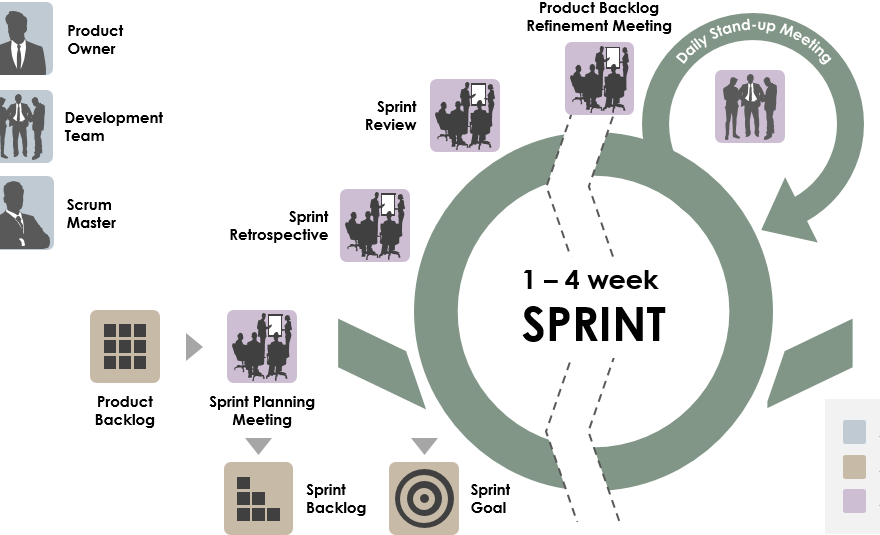
Sprinting is running over a short distance in a limited period of time. It is used in many sports that incorporate running, typically as a way of quickly reaching a target or goal, or avoiding or catching an opponent. A sprint is a time box. Each sprint has a start and end date during which a set of selected user stories have to be completed and confirmed. The following image shows you the key elements of a sprint, which includes a set of user stories, the scrum members involved, the assignment of work, the duration and end date (top-right corner).

Continue reading
Scrum Team — I-Shaped vs T-Shaped People

स्क्रम टीम — आई-आकृति व टी-आकृति लोग

Some people are very proficient in a particular field, but rarely contribute outside of that field. These people are called “I-types” in the agile community because they are like the letter “I” in that they have depth, but not much breadth. In contrast, “T-people” have complementary expertise in one area, but less developed skills in related areas and good collaboration skills.

Continue reading