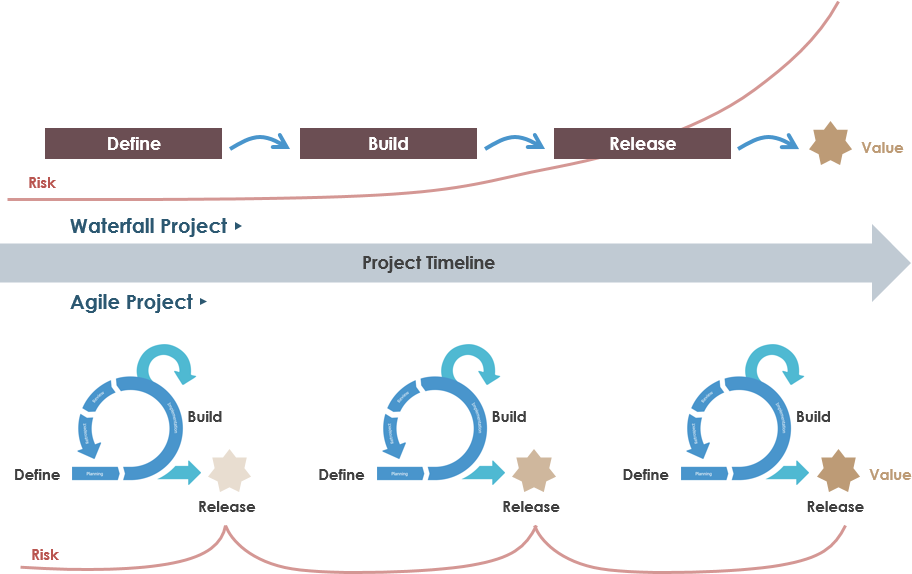
LeSS was created by Bas Vodde and Craig Larman from practical experience in scaling up Scrum, founded as the LeSS Company in 2014. The “More with LeSS” principle is at the heart of LeSS (Large Scale Scrum). Complex product development doesn’t require complex solutions. It requires a deep understanding of the essence of the problems, which can then be solved with simpler solutions.
Continue readingKategori: Scrum
Kapan Harus Menggunakan Apa? User Story / Use Case / Fitur / Item Backlog
We always come across these terms in software development. Sometimes people a piece of software feature — requirement/ use case, backlog items …. What is the convention of the software people for using that or which?
Continue reading
Apa itu estimasi agile? Apa saja jebakan umum?
In software development , the usual “estimation” includes a quantitative evaluation of the work required to perform a given development task; this is usually expressed in terms of duration (hour / day) or estimated unit (story point). The purpose is to consolidate a number of such individual estimates in order to obtain an indication of the overall duration, work or cost of the software project.
Continue reading
Perencanaan Sprint: Peramalan vs Komitmen
In the summer of 2011, Ken Schwaber and Jeff Sutherland revised their Scrum Guide. In it, they removed one long established behavior known to Scrum, which is the commitment the team makes to the product owner and the customers. Commitment was replaced by forecast. They say that teams may forecast their work, but not commit to it.
Continue reading
Apa perbedaan antara user story dan acceptance criteria?
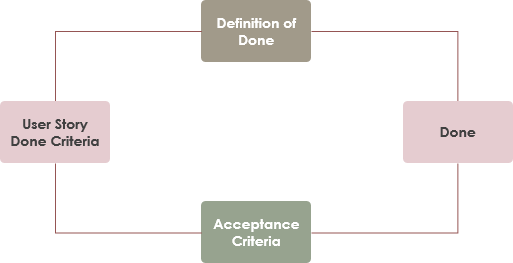
Definition of Done (DoD) is a list of requirements that a user story must adhere to for the team to call it complete. While the Acceptance Criteria of a User Story consist of set of Test Scenarios that are to be met to confirm that the software is working as expected.
Continue reading
Tinjauan Sprint vs Retrospektif Sprint
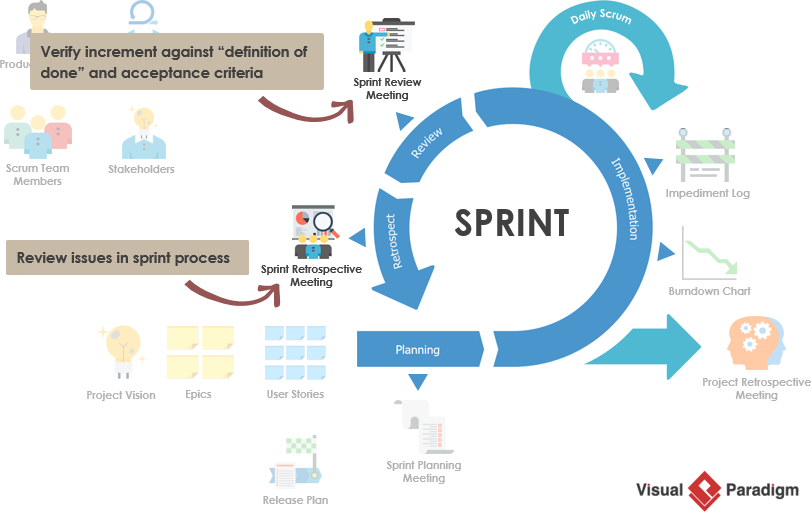
Each sprint ends with a two-part sprint review meeting. Such a meeting starts with a customer review and demonstration and ends with the team retrospective. Both of these components occur on the last day of the sprint. The Sprint Review focuses on the “inspect” and “adapt” of the increment (Potentially shippable), while the Sprint Retrospective give more focus on the “inspect” and “adapt” of the process of the sprint.
Continue reading
Scrum: INVEST dalam Cerita Baik dengan Mencapai Tugas SMART
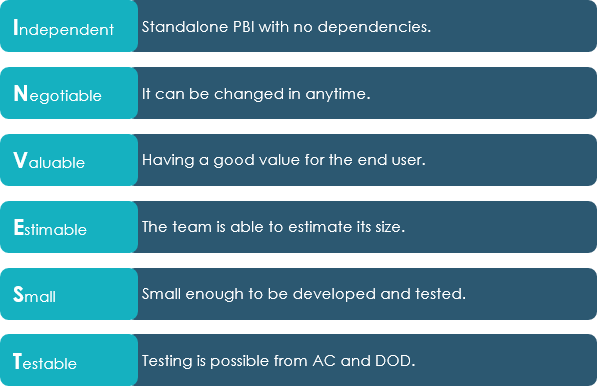
The INVEST as a reminder of the characteristics of a good quality Product Backlog Item (PBI) (or user stories) commonly written in user story format. But what are characteristics of a good user story? The acronym “INVEST” can remind you that good stories should be
Continue reading
Apa frustrasi yang paling sering dialami oleh Tim Scrum?
What has proven to be the strength of Scrum the past 20 years? What should be the focus of Scrum the upcoming 20 years? What of Scrum frustrated you the most so far? What connects you to Scrum? What is a small improvement that could be added to Scrum?
Continue reading
Proses Scrum Otomatis DIY
Seamlessly navigate the entire scrum process in a single, beautifully designed scrum process canvas. Perform scrum activities quickly, easily and seamlessly. Keep the whole team fully engaged. Our agile software makes agile projects simple and effective.
Continue reading
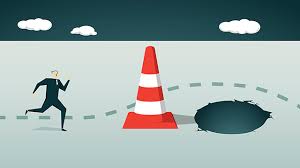
Scrum: Mengapa Panjang Sprint Harus Pendek?
Sprinting is running over a short distance in a limited period of time. It is used in many sports that incorporate running, typically as a way of quickly reaching a target or goal, or avoiding or catching an opponent. A sprint is a time box. Each sprint has a start and end date during which a set of selected user stories have to be completed and confirmed. The following image shows you the key elements of a sprint, which includes a set of user stories, the scrum members involved, the assignment of work, the duration and end date (top-right corner).
Continue reading