Product owner — holds the vision for the product; Scrum Master — helps the team best use Scrum to build the product; Development team — builds the product
Continue reading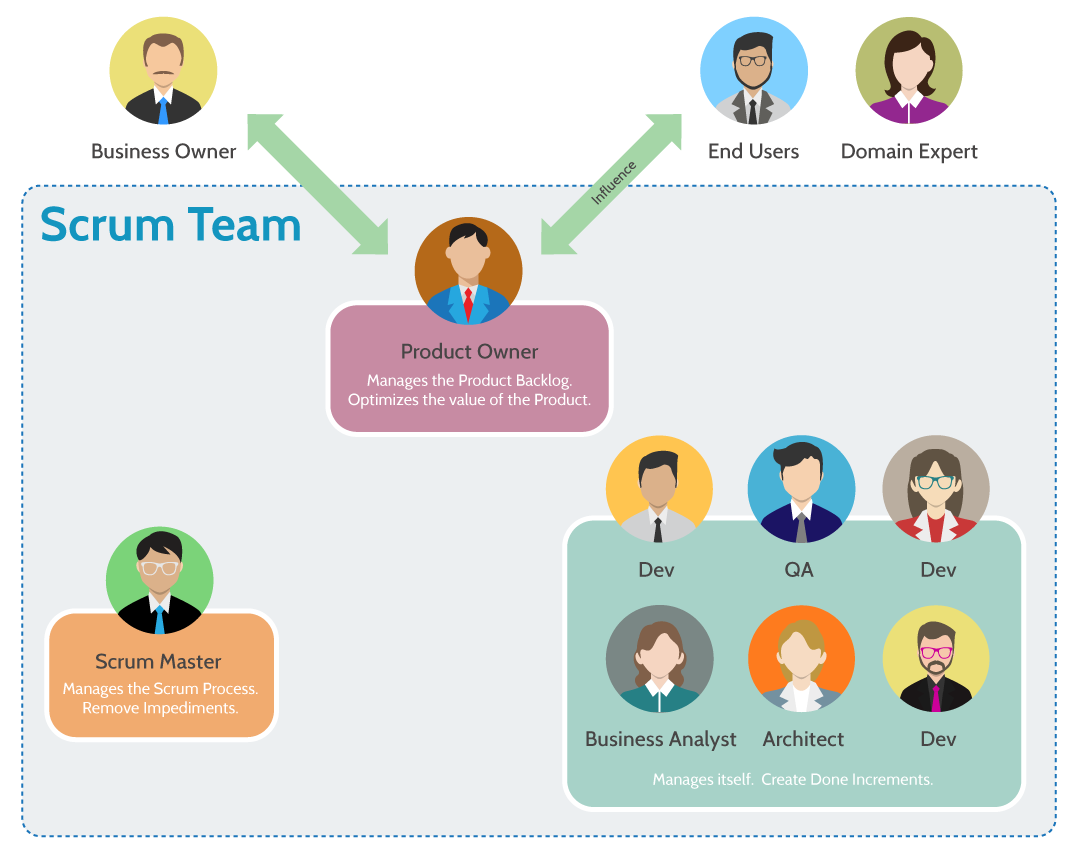
Learning one new thing everyday
Product owner — holds the vision for the product; Scrum Master — helps the team best use Scrum to build the product; Development team — builds the product
Continue reading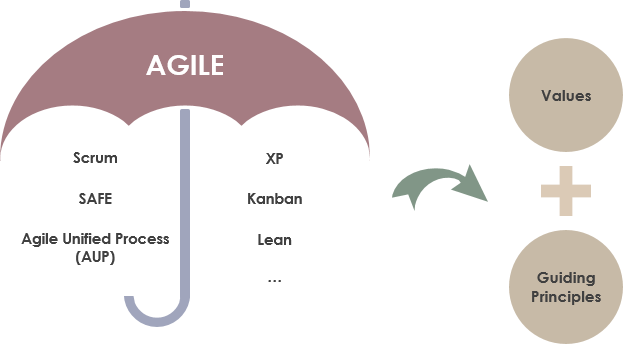
The Agile Manifesto details some fundamental agile philosophies, one of which is a preference for Empirical Process control — which maintains that knowledge is derived from experience and decision making is based on what is known. Scrum is an Empirical Process based on inspection, adaptation, and transparency. gave the name “Agile” to the movement.
Continue reading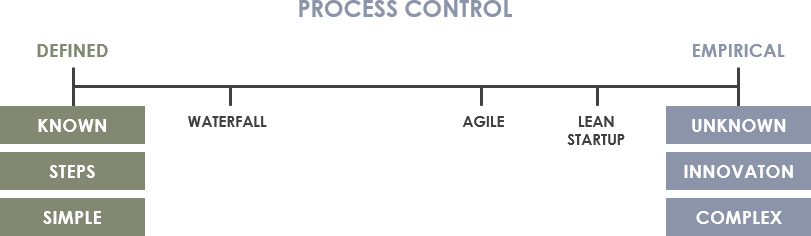
Most software development projects are considered complex and unpredictable in nature due to the convergence of three factors: people, requirements and technology. The various approaches used for delivering and managing projects could be more easily understood in the context of process control models and project complexity.
Continue reading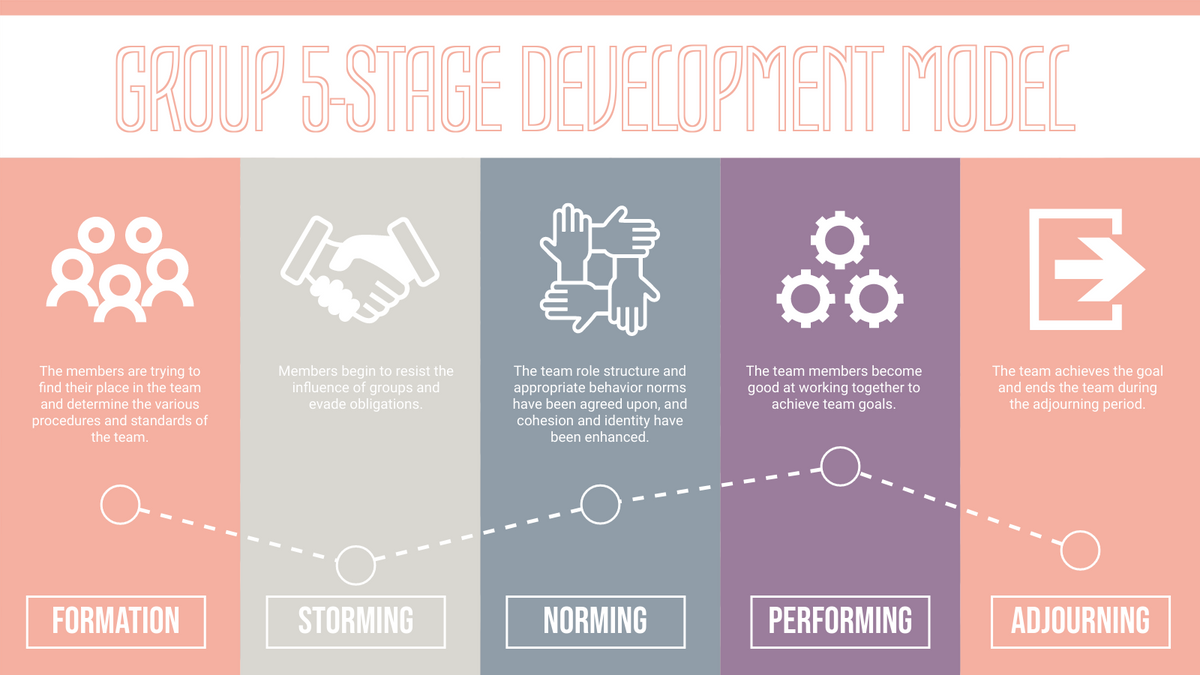
The forming–storming–norming–performing model of group development was first proposed by Bruce Tuckman in 1965, who said that these phases are all necessary and inevitable in order for the team to grow, face up to challenges, tackle problems, find solutions, plan work, and deliver results. The theory remains a good explanation of team development and behavior.
Continue reading
Scrum is the most popular subset of agile. It is not only a lightweight agile development process framework, but also the most widely used framework. Here are the most basic agile and scrum resources for agile and scrum practitioners
Continue reading