SWOT Analysis with Examples

उदाहरणों के साथ SWOT विश्लेषण

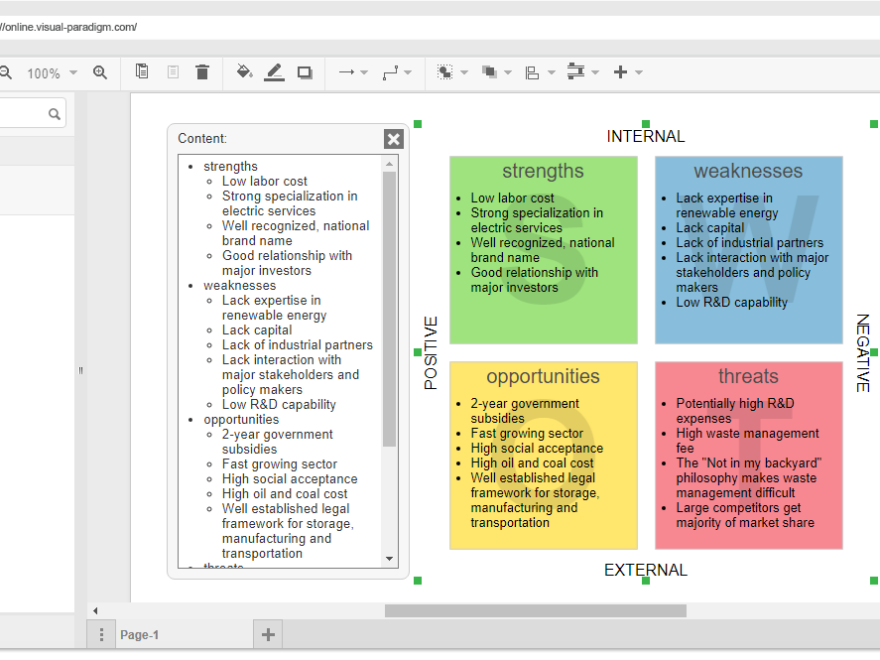
SWOT analysis is a technique developed at Stanford in the 1970s, frequently used in strategic planning. SWOT is an acronym for Strengths, Weaknesses, Opportunities, and Threats and is a structured planning method that evaluates those four elements of an organization, project or business venture. A SWOT analysis is a simple, but powerful, framework for leveraging the organization’s strengths, improving weaknesses, minimizing threats, and taking the greatest possible advantage of opportunities.

Continue reading
Cross-Functional Flowchart – with Templates and examples

क्रॉस-फंक्शनल फ्लोचार्ट – टेम्पलेट्स और उदाहरण के साथ

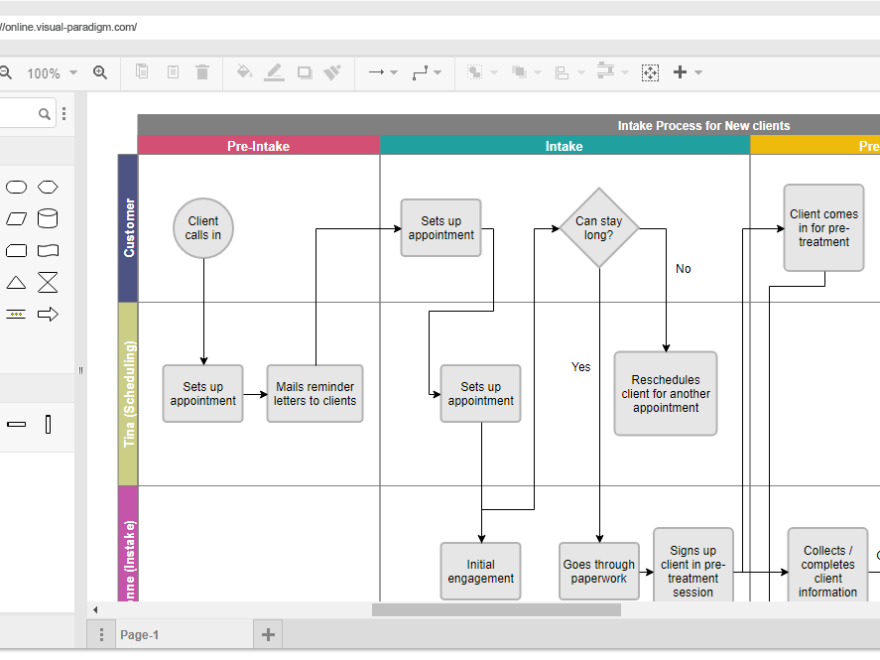
Cross functional flow charts show who did what and when in swimlane or grid charts. These charts are organized into multiple parts to provide additional dimensions by assigning each process step to a category. In other words, you can use a cross functional flowchart to describe the relationship between the steps in the process and the department or functional area responsible for those steps.

Continue reading
What is Reverse Brainstorming?

रिवर्स ब्रेनस्टॉर्मिंग क्या है?

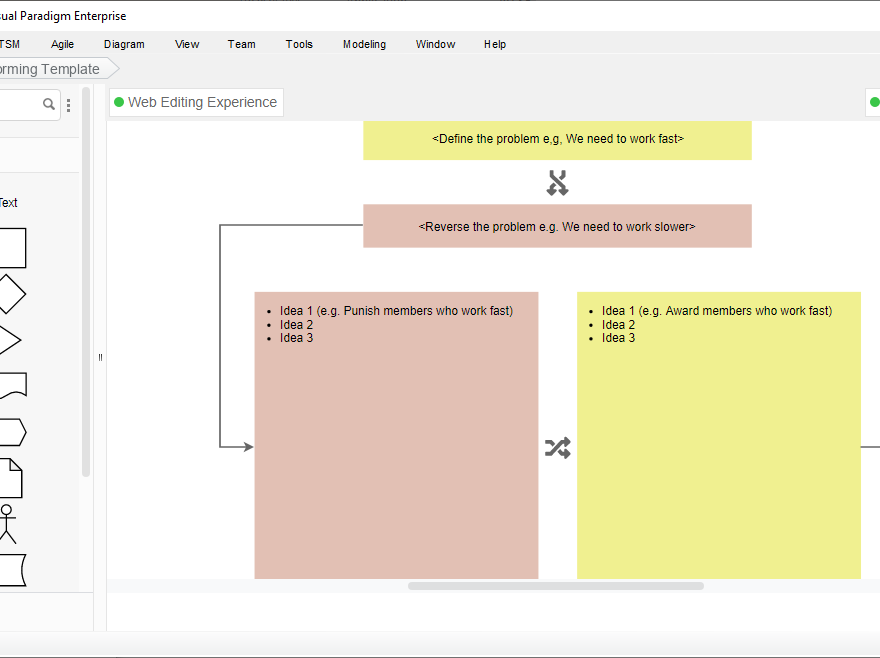
The reverse brainstorming lets you create unusual and wild ideas if the brainstorming process fails to meet the requirements. When typical brainstorming encounters difficulties, it’s time to be creative. A highly creative brainstorming technique is called reverse brainstorming. It can not only make ideas flow, but also bring a lot of fun. More importantly, it can stimulate innovative ideas and useful insights to produce positive results.

Continue reading
The Best Continuous Improvement Tool: What is SIPOC?

सबसे अच्छा निरंतर सुधार उपकरण: SIPOC क्या है?

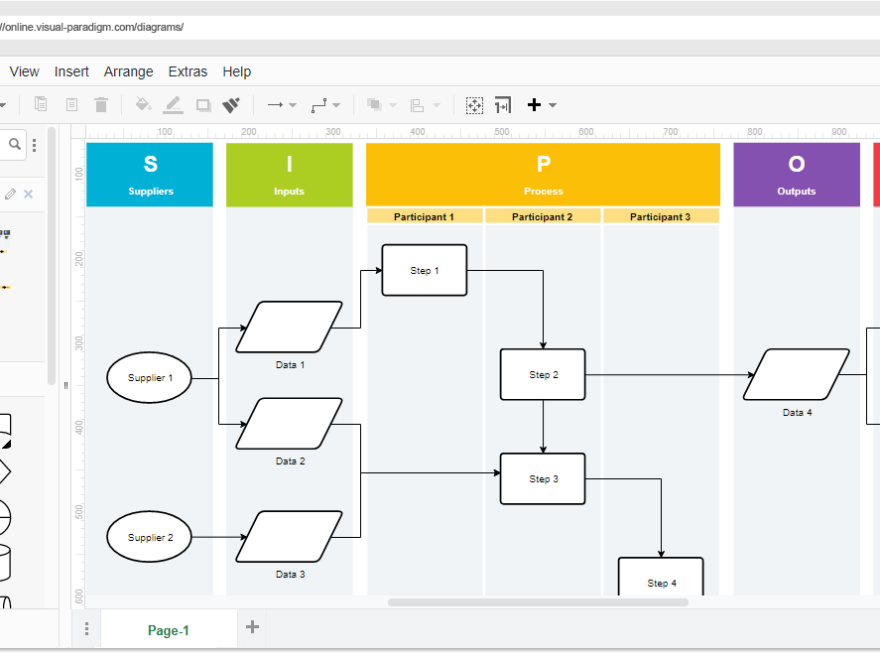
The acronym SIPOC stands for Suppliers, Inputs, Process, Outputs, and Customer. Using information from these five areas creates a process map that gives a high-level overview of a Six Sigma project. To create a SIPOC diagram, you have to specify the five main activities of the process and identify the potential suppliers, inputs, outputs, and customers.

Continue reading
Fault Tree Diagram Tutorial

फॉल्ट ट्री डायग्राम ट्यूटोरियल

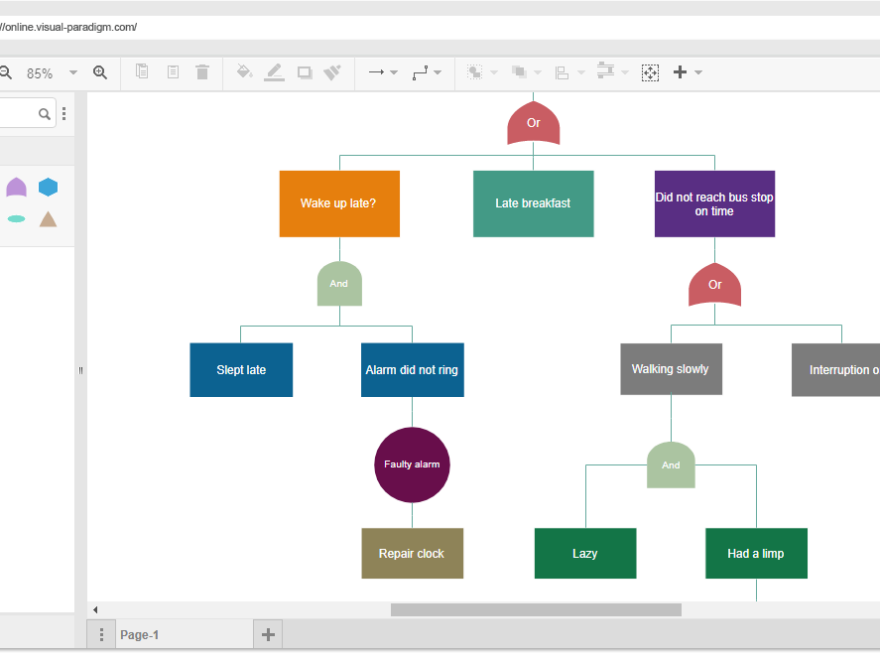
Fault tree analysis (FTA) is a top-down deductive fault analysis in which Boolean logic is used in conjunction with a series of low-level events to analyze the unexpected states of the system. This analysis method is primarily used in safety engineering and reliability engineering to understand how systems fail, determine the best way to reduce risk, and determine (or feel) the event rate of safety incidents or specific system-level (functional) failures.

Continue reading
Scatter Diagram Tutorial

बिखरे आरेख ट्यूटोरियल

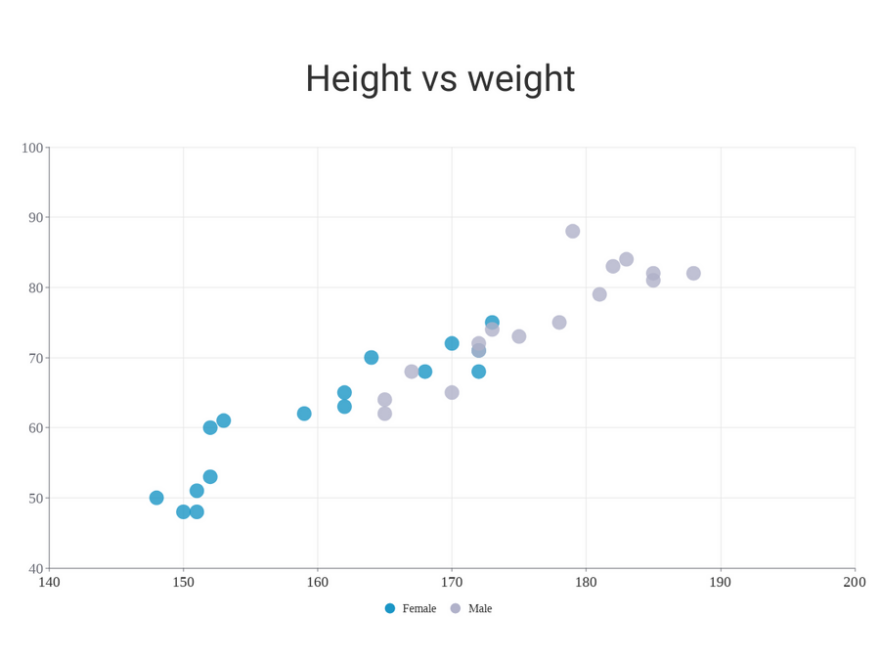
A Scatter Plot (also known as a scatter Chart, and Correlation Plot) is a tool for analyzing the relationship between two variables, used to determine the degree of correlation between two variables. One variable is plotted on the horizontal axis and the other on the vertical axis. The pattern of their intersection points graphically displays the relational pattern. It is one of the Seven Basic Tools of Quality.

Continue reading