Kompleksowa studium przypadku z zakresu mistrzostwa w tworzeniu historii użytkownika w Agile 📘 Nowe wprowadzenie W szybko zmieniającym się świecie
Continue readingKategoria: User Story
📘 Kompletny przewodnik po mapowaniu historii użytkownika w Agile w Visual Paradigm
Przekształć swój backlog produktu w strategiczny, wizualny plan działania 🔹 Wprowadzenie: Dlaczego mapowanie historii użytkownika? W rozwoju agile płaski backlog
Continue reading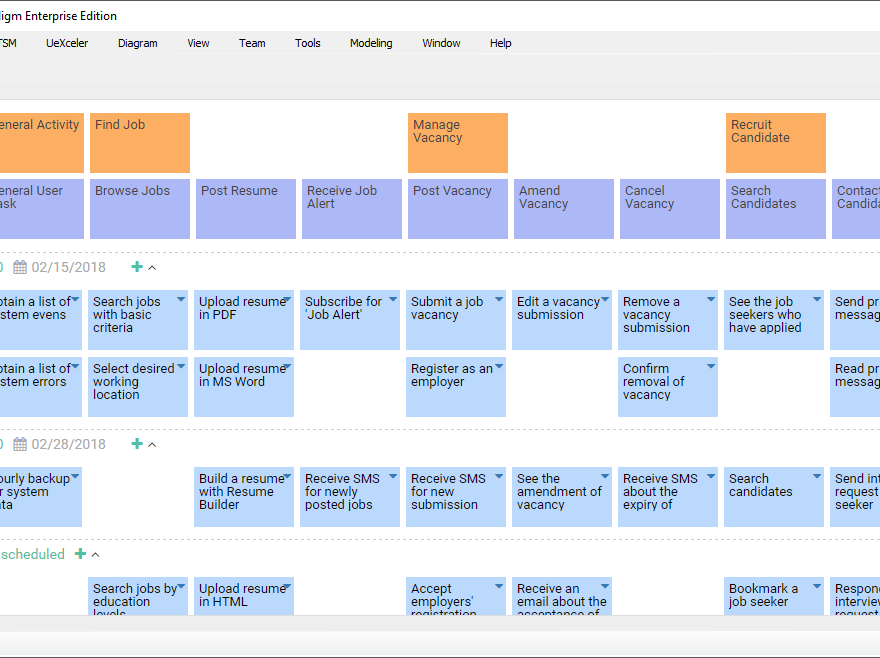
📘 Kompletny przewodnik po mapowaniu historii użytkownika w Agile z Visual Paradigm
Przekształć chaos w jasność. Od wizji do wdrożenia — wizualizuj, priorytetyzuj i dostarcz z pewnością siebie. 🔍 Wprowadzenie: Dlaczego mapowanie historii
Continue reading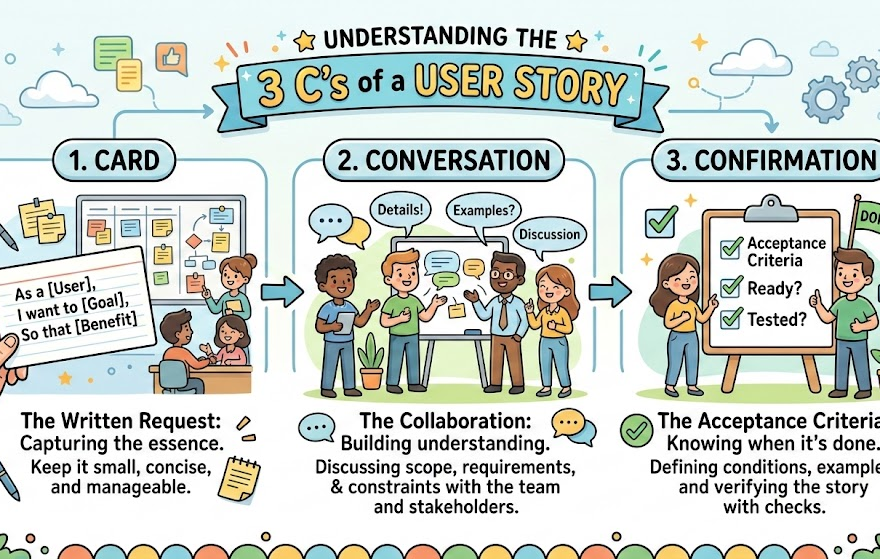
Sztuka Epytu: Jak rozłożyć duże funkcje na przejrzyste historie użytkownika
W rozwoju agilnym duże funkcje – często nazywane Epytami– mogą wydawać się przesadnie złożone. Odpowiadają one szerokim, ogólnym celom, które obejmują
Continue reading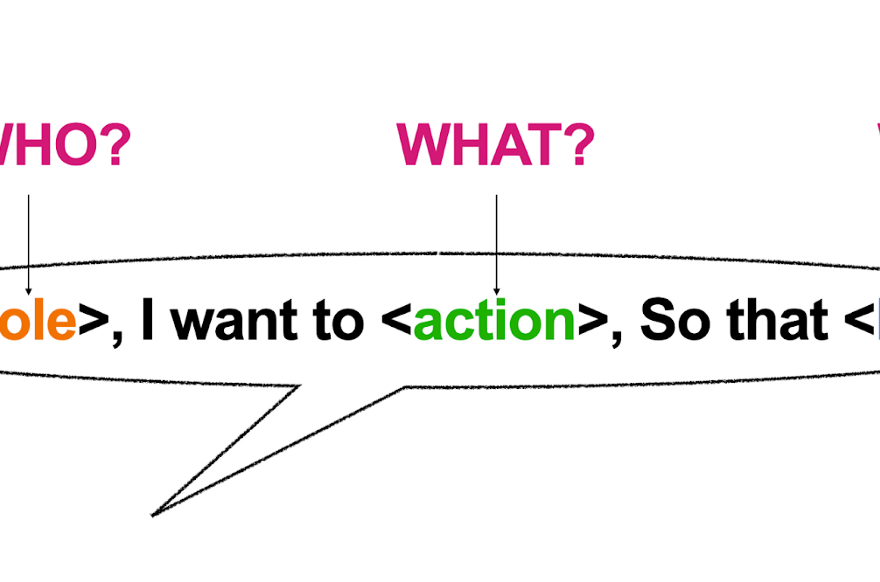
Poza listą zadań: jak pisać historie użytkownika, które naprawdę przynoszą wartość
W rozwoju agilnym historie użytkownika są fundamentem doskonalenia listy zadań produktu. Mają one oddać rzeczywiste potrzeby użytkowników, wspierać współpracę i
Continue reading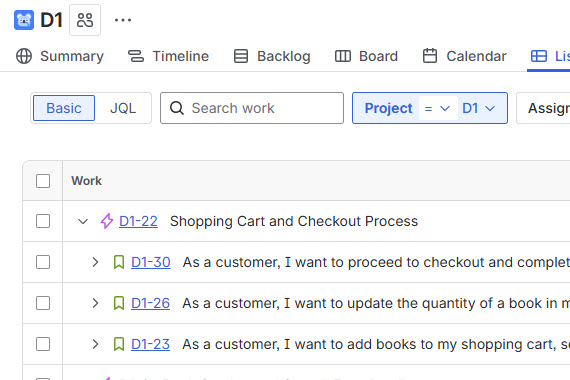
Opanowanie historii użytkownika w Agile: Jak pisać skuteczne historie, wyprowadzać przypadki testowe i wykorzystywać aplikacje AI Visual Paradigm
W rozwoju oprogramowania Agile, historie użytkownika to puls wymagań i ich realizacji. Zachowują skupienie zespołów na wartości dla użytkownika, umożliwiają iteracyjny postęp
Continue readingKompletny przewodnik po modelowaniu wymagań: przypadki użycia, historie użytkownika i diagramy wymagań
🔍 Wprowadzenie: Dlaczego modelowanie wymagań ma znaczenie Wymagania definiują co co system musi robić. Źle sformułowane lub niejasne wymagania prowadzą do: Zjawisko rozrostu
Continue readingStartups 101: Kluczowe strategie w uruchamianiu i skalowaniu Twojej firmy
Startups 101: Essential Strategies for Launching and Scaling Your Business – Discover essential strategies and insights for launching and scaling your startup. Learn about funding, marketing, team building, and other key aspects to successfully navigate the startup journey.
Continue reading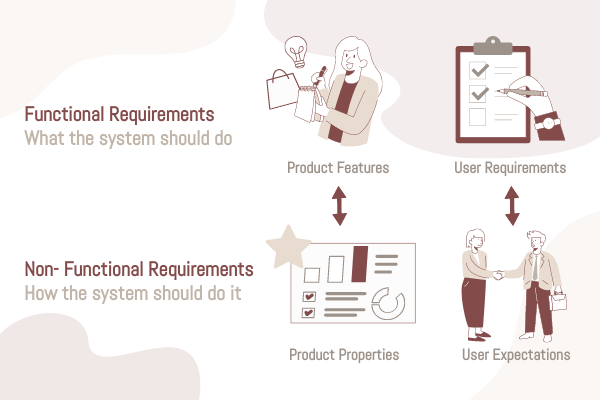
Zbieranie wymagań funkcjonalnych za pomocą przypadków użycia i historii użytkowników
Pierwszym krokiem w definiowaniu nowego produktu, usługi, procesu lub systemu jest określenie wymagań, tj. konkretnych wymagań funkcjonalnych lub niefunkcjonalnych. Wymagania
Continue reading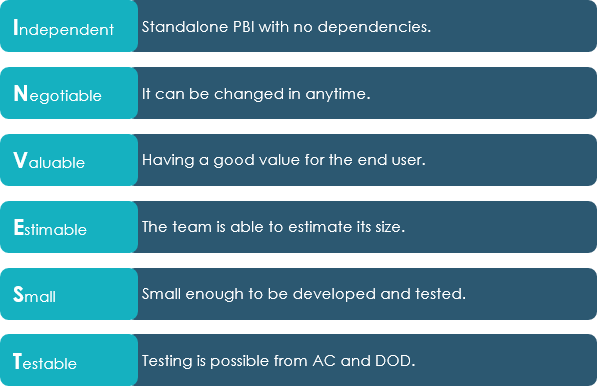
Jak napisać efektywną historię użytkownika zgodnie z zasadami INVEST?
In addition to a standardized format and complete elements, a good user story should also follow the INVEST principles: 1. Idependent; 2. Negotiable; 3. Valuable; 4. Estimatable; 5. Small; 6. Testable.
Continue reading