Aprende el Lenguaje Unificado de Modelado con Visual Paradigm “Una imagen vale más que mil líneas de código”— Los diagramas
Sigue leyendo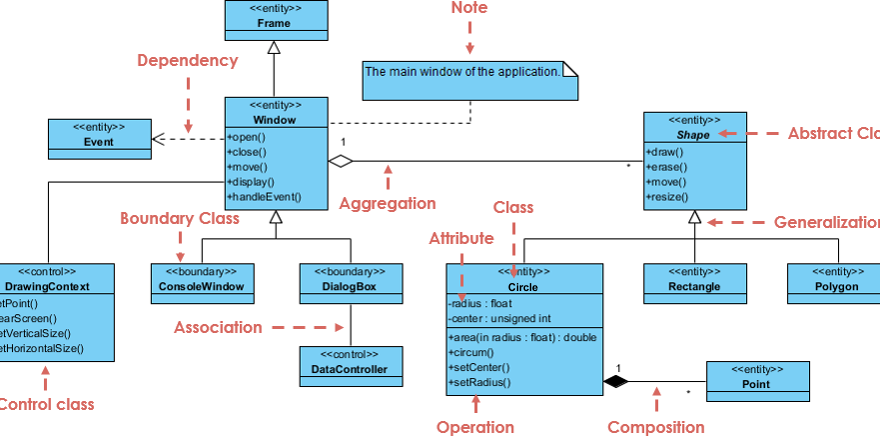
Aprendiendo una cosa nueva todos los días
Aprende el Lenguaje Unificado de Modelado con Visual Paradigm “Una imagen vale más que mil líneas de código”— Los diagramas
Sigue leyendoUna referencia completa para ingenieros de software, arquitectos y equipos de desarrollo ¿Qué es UML? Lenguaje Unificado de Modelado (UML)es
Sigue leyendoUna guía completa para desarrolladores de TI Introducción ¡Hola a todos, desarrolladores! ¿Alguna vez han sentido un pequeño atisbo de
Sigue leyendoEn el modelado orientado a objetos, comprender las instancias del mundo real que dan vida a su sistema es crucial.
Sigue leyendoTu camino de aprendizaje: de principiante a experto Bienvenido a tu guía completa sobre diagramas de objetos UML. Esta guía
Sigue leyendo1. ¿Qué es un diagrama de objetos? Un Diagrama de objetos es un tipo especializado de diagrama en el Lenguaje Unificado de
Sigue leyendo¿Qué es un diagrama de objetos? Un Diagrama de objetos es un tipo especializado de diagrama en el Lenguaje Unificado de Modelado
Sigue leyendoVisual Paradigm ha experimentado una evolución transformadora, redefiniendo el panorama del modelado de software al integrar profundamente la inteligencia artificial
Sigue leyendo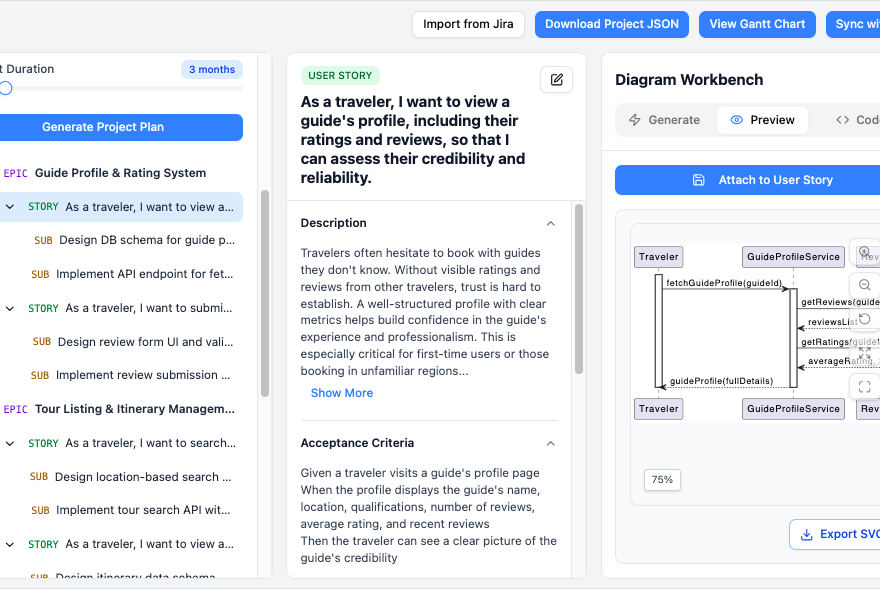
🔍 Visión general: ¿Qué es Agilien? Agilienes una herramienta web impulsada por IAde código abiertodeVisual Paradigm, diseñada para revolucionar la planificación
Sigue leyendo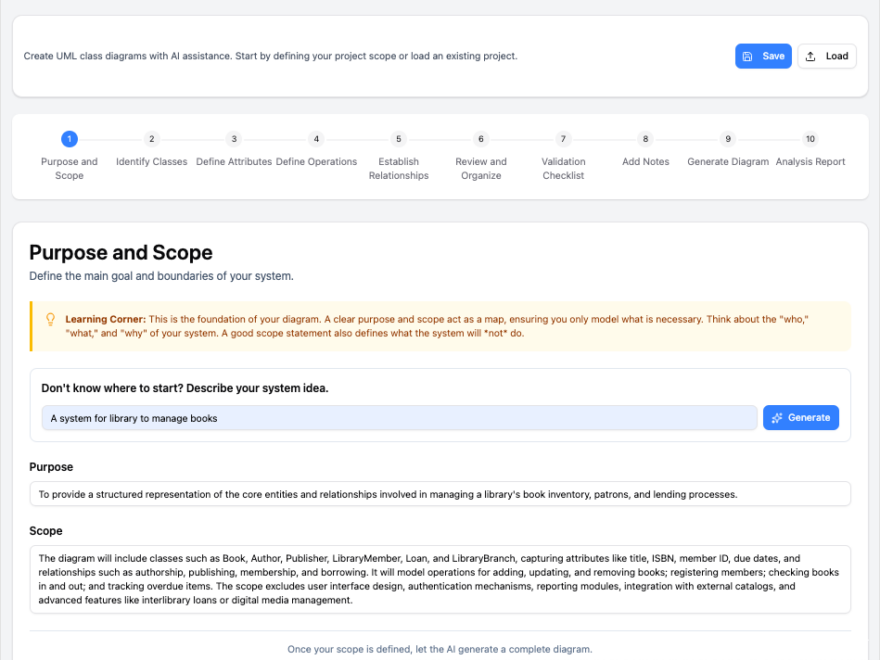
Visual Paradigm aprovecha la inteligencia artificial avanzada para simplificar el diseño, desarrollo y gestión de Diagramas de clases UML, transformando el
Sigue leyendo