Agile methodologies emphasize flexibility, collaboration, and delivering value incrementally. At the heart of this approach are User Stories, Acceptance Criteria, and the INVEST principles.
Continue readingCategory: Agile Project Management
Transforming Software Delivery: A Comprehensive Guide to Implementing Agile Scrum Framework
Introduction In today’s rapidly evolving technology landscape, organizations face increasing pressure to deliver high-quality software products faster while maintaining flexibility
Continue reading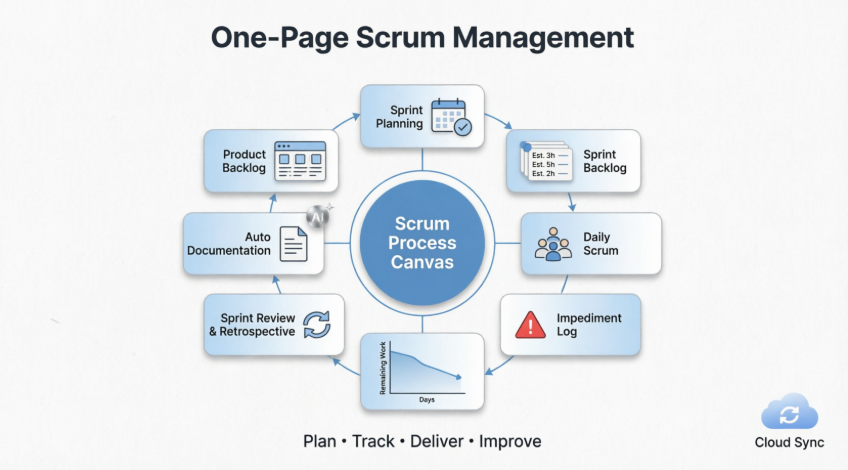
🌱 Absolute Beginner’s Guide & Product Review: Visual Paradigm Scrum Process Canvas
🌟 Introduction: Your Scrum Journey Starts Here Feeling overwhelmed by Scrum? You’re not alone. If terms like “sprint planning,” “user stories,”
Continue reading🚀 Visual Paradigm for Agile Development: A Small Team’s Comprehensive Guide
Combine Structured Modeling with AI-Driven Speed for Maximum Impact ⚠️ Important Note: AI can make mistakes. Always double-check AI-generated content, diagrams,
Continue reading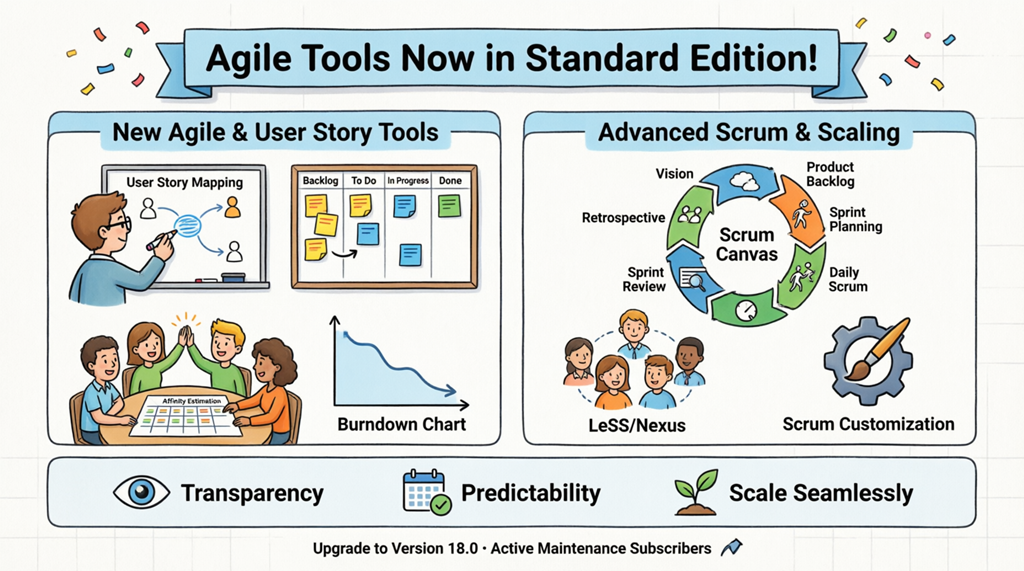
Complete Guide to Agile & Scrum Tools in Visual Paradigm Standard Edition
Introduction In today’s fast-paced software development landscape, access to powerful agile tools shouldn’t be a luxury reserved for enterprise budgets.
Continue reading📘 Comprehensive Guide to Agile Story Mapping in Visual Paradigm
Transform Your Product Backlog into a Strategic, Visual Roadmap 🔹 Introduction: Why User Story Mapping? In agile development, a flat
Continue readingThe Complete Guide to Scrum: Mastering the 3-3-5-5 Framework
Scrum is one of the most widely adopted Agile frameworks for managing complex product development. It empowers teams to deliver
Continue reading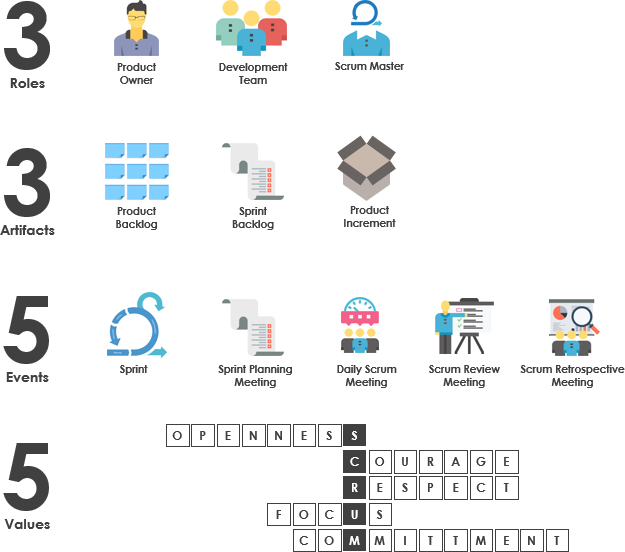
Agile vs Scrum: Key Differences
🔷 Agile vs Scrum: Key Differences Aspect Agile Scrum Type Framework / Mindset Framework / Process Scope A philosophy or approach
Continue reading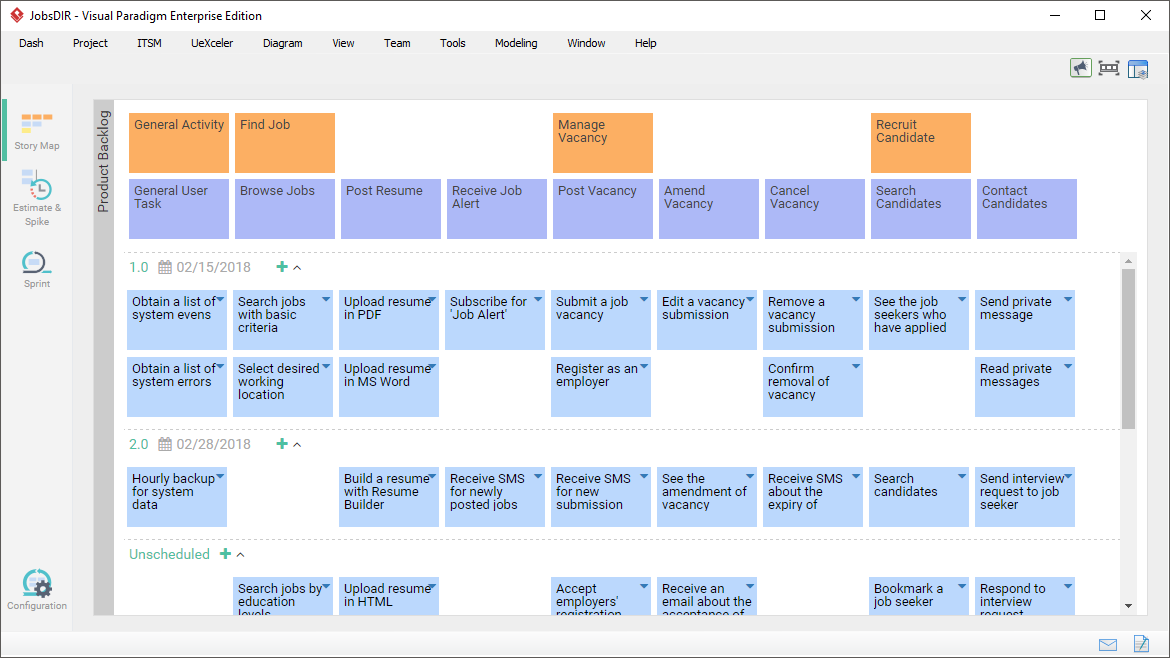
📘 Comprehensive Guide to Agile User Story Mapping with Visual Paradigm
Transform chaos into clarity. From vision to delivery—visualize, prioritize, and deliver with confidence. 🔍 Introduction: Why Story Mapping? In agile environments,
Continue reading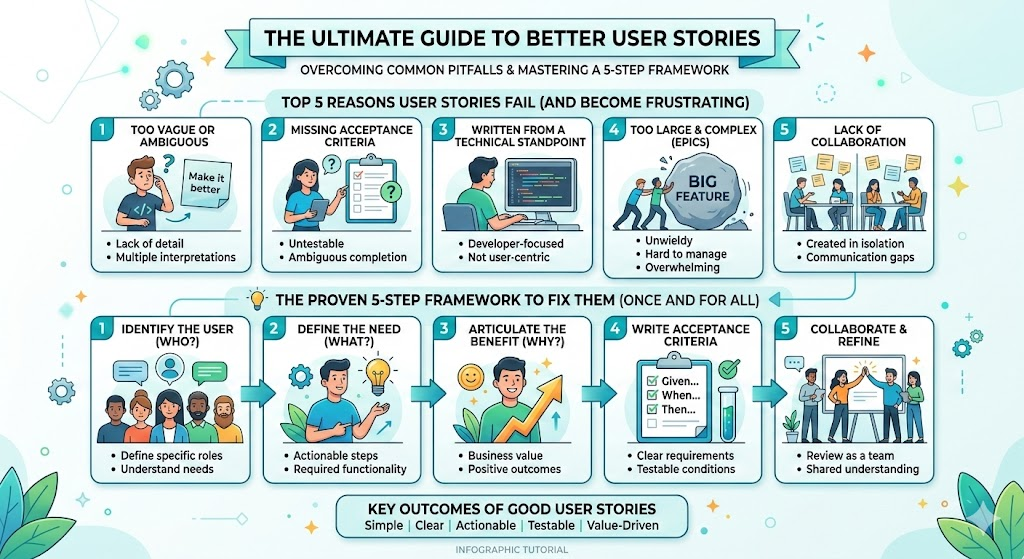
Why Your User Stories Keep Failing (And How to Fix Them in 5 Steps)
A Comprehensive Tutorial for Product Owners, Scrum Masters, and Agile Teams Introduction: The User Story Paradox You’ve embraced Agile. You’ve
Continue reading