用例2.0是一種可擴展的、敏捷的方法,它使用用例來捕捉需求,並推動系統的漸進式發展以滿足這些需求。它幫助你了解系統將如何被使用,並引導你開發一個合適的系統來支持用戶。
Continue reading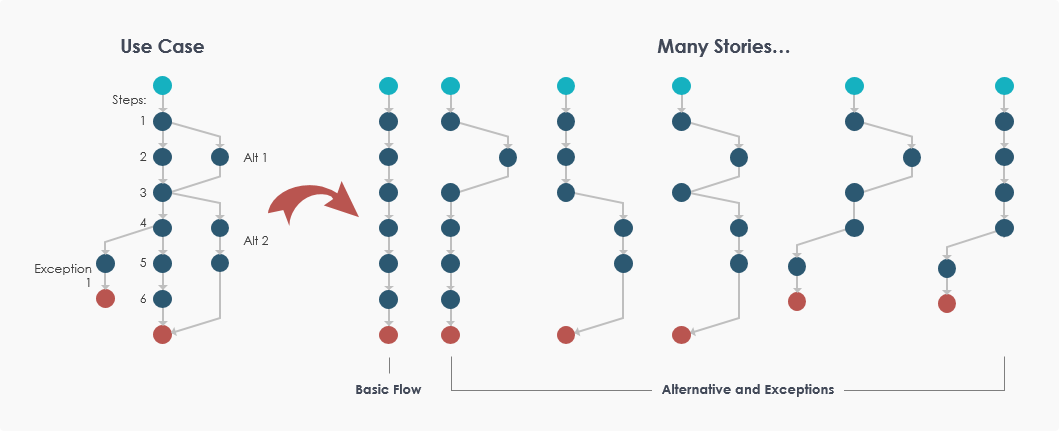
聚焦資訊科技內容領域最前沿資訊,網絡精華,心得交流
用例2.0是一種可擴展的、敏捷的方法,它使用用例來捕捉需求,並推動系統的漸進式發展以滿足這些需求。它幫助你了解系統將如何被使用,並引導你開發一個合適的系統來支持用戶。
Continue reading
用例圖模擬了不同類型的用戶與系統的互動,以解決一個問題。因此,它描述了用戶的目標,用戶和系統之間的互動,以及系統在滿足這些目標時的必要行為。用例定義了外部角色和系統之間的互動,以達到特定的目標。一個用例圖包含四個主要部分
Continue reading
2011 年夏天,Ken Schwaber 和 Jeff Sutherland 修改了他們的 Scrum 指南。 在其中,他們刪除了 Scrum 已知的一種長期存在的行為,即團隊對產品所有者和客戶的承諾。 承諾被預測取代。 他們說團隊可能會預測他們的工作,但不會承諾。
Continue reading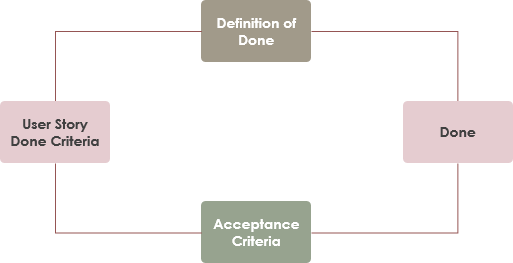
完成的定義(DoD)是一個用戶故事必須遵守的要求列表,以便團隊將其稱為完成。 而用戶故事的驗收標準由一組測試場景組成,這些測試場景需要被滿足,以確認軟件是按預期工作的。
Continue reading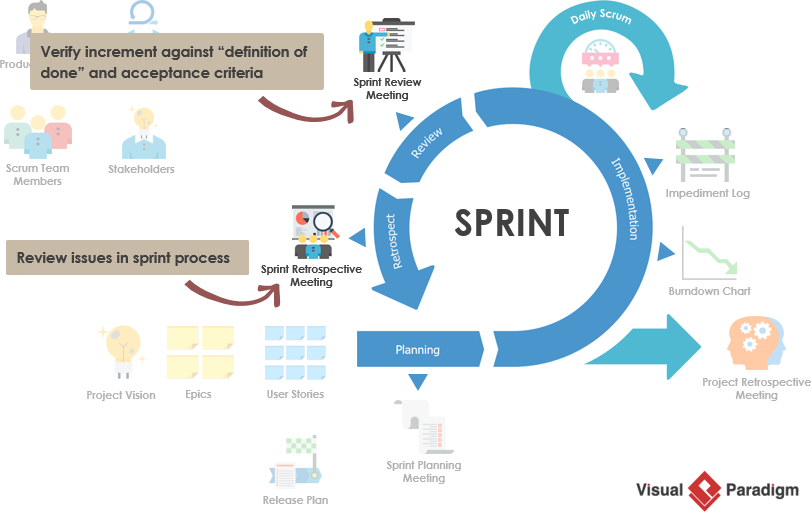
每個衝刺階段結束時都會有一個由兩部分組成的衝刺回顧會議。這樣的會議以客戶回顧和演示開始,以團隊回顧結束。這兩個部分都發生在衝刺的最後一天。衝刺回顧的重點是 “檢查 “和 “調整 “增量(潛在可發貨),而衝刺回顧則更注重衝刺過程中的 “檢查 “和 “調整”。
Continue reading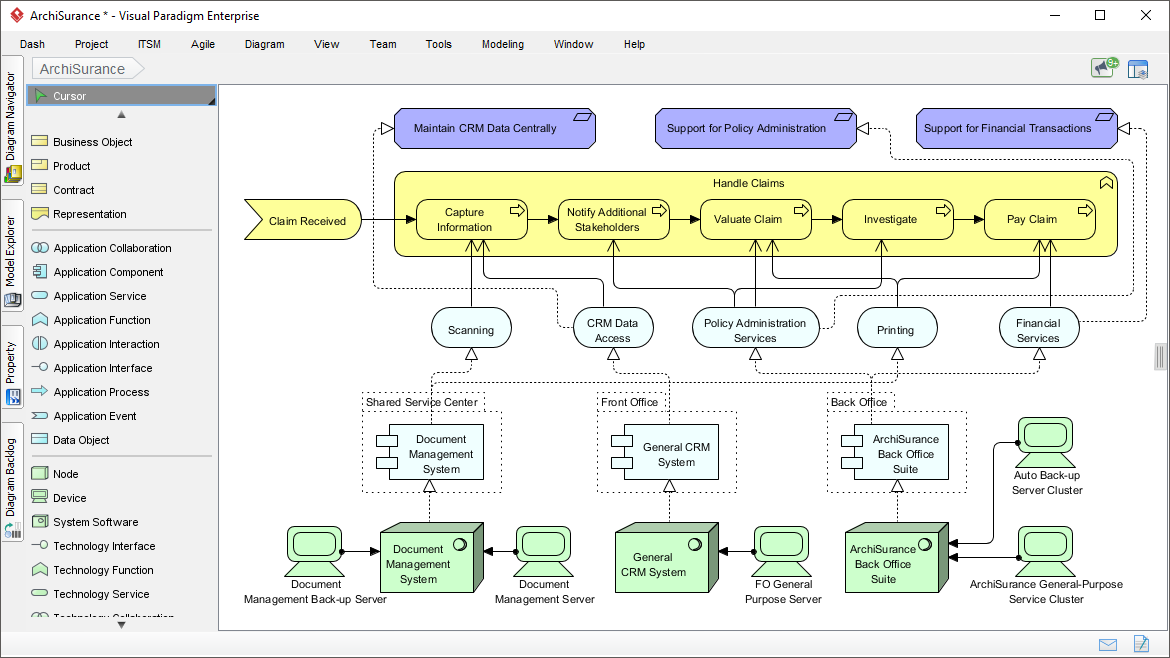
Open Group 將 ArchiMate 創建為用於企業架構 (EA) 的開放且獨立的建模語言。 該標準提供了一種符號,使企業架構師能夠以明確的方式描述、分析和可視化業務領域之間的關係。 ArchiMate 支持創建組織的 EA 的完全集成模型、其動機以及實施它的程序、項目和遷移路徑。
Continue reading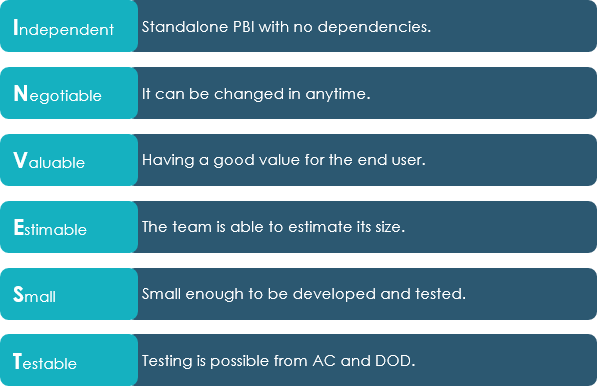
INVEST提醒我們,一個高質量的產品積壓項目(PBI)(或用戶故事)通常是以用戶故事的形式寫成的。但什麼是好的用戶故事的特徵呢?縮寫 “INVEST “可以提醒你,好的故事應該是
Continue reading
如果您曾經嘗試過創建 MS 的 Visio Flowchart®,您就會知道這有多難。 您可以從一些基本工具開始,如果您需要更改任何內容 — 移動形狀、刪除形狀或添加新形狀 — 太難了! 你知道我的意思。 只需單擊幾下,Visual Paradigm Online 即可自動執行所有復雜任務。
Continue reading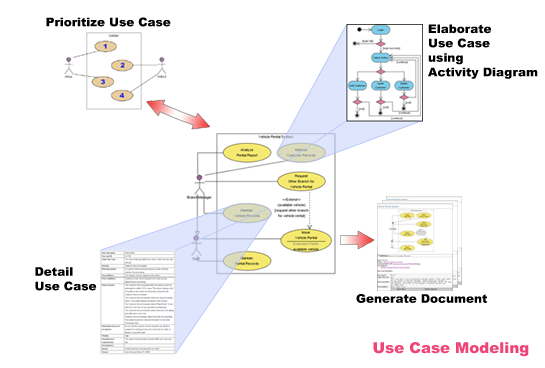
Use case diagrams and activity diagrams are behavioral UML diagrams that describe the dynamic characteristics of a system. The difference between use case diagrams and activity diagrams is that use case diagrams help to model the system, user interactions, while activity diagrams help to model the workflow of the system and are often used to illustrate the internal logic of use cases. These diagrams offer multiple advantages. They help model business requirements and understand the functionality of the system at a high level.
Continue reading
UML可以隨心所欲地使用,也可以隨心所欲地減少。 Martin Fowler 描述了人們傾向於使用 UML 的三種常見方式。 (1) UML作為一個草圖;(2) UML作為一個藍圖;(3) UML作為一種編程語言。
Continue reading