Полное руководство по пониманию и применению языка унифицированного моделирования в разработке программного обеспечения

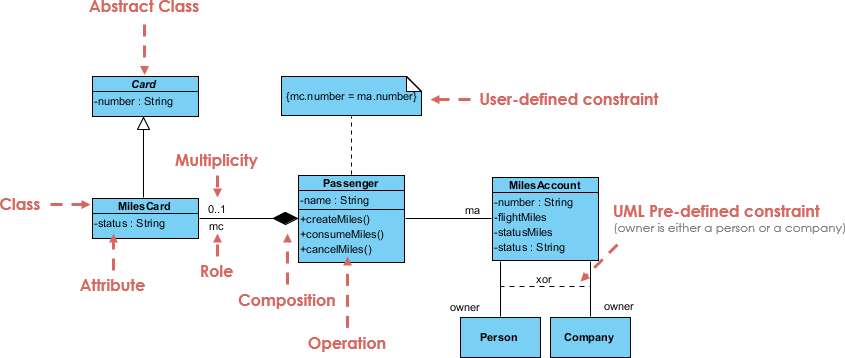
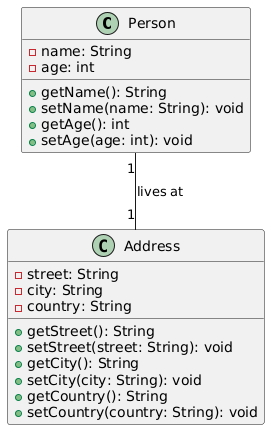
Полное руководство по пониманию и применению языка унифицированного моделирования в разработке программного обеспечения

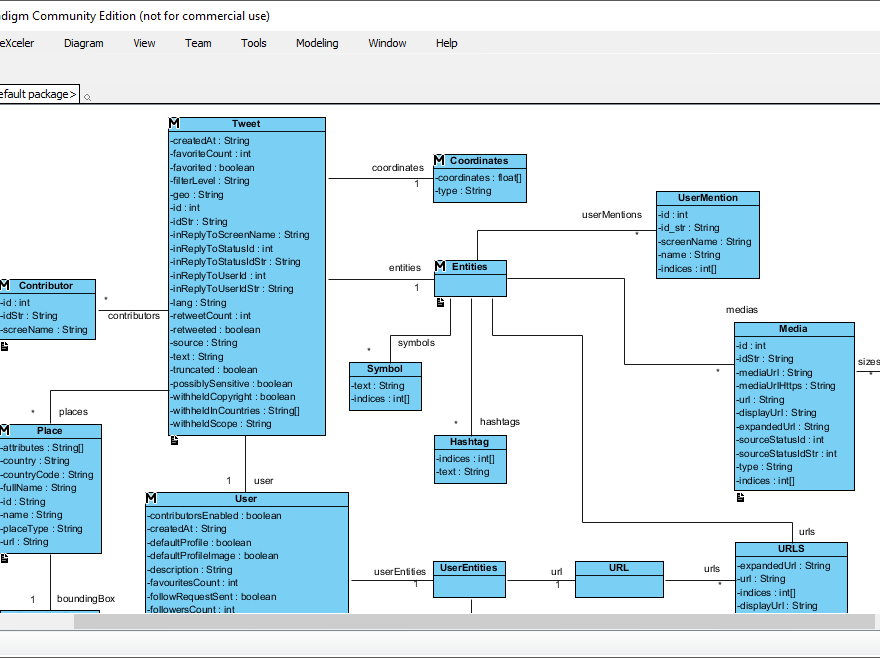
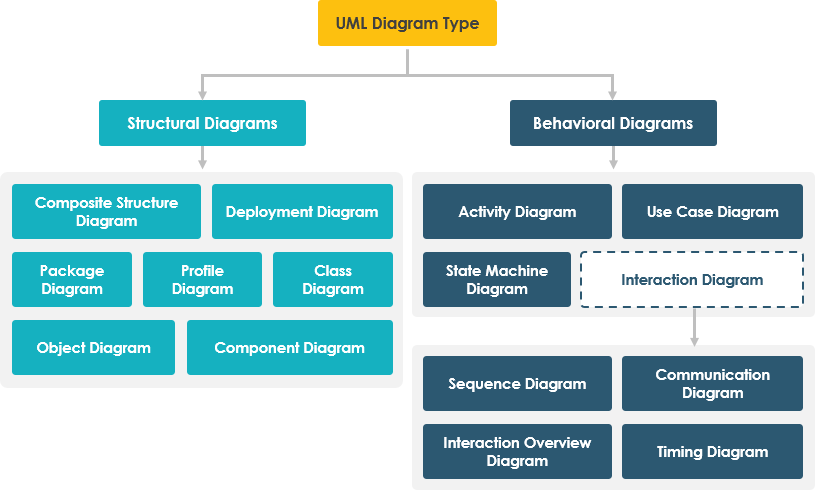
UML is a powerful tool for software developers, architects, and designers as it provides a common language and notation for communicating design decisions and system architecture. It includes many types of diagrams, such as use case diagrams, class diagrams, and sequence diagrams, that can be used throughout the software development life cycle. UML also supports advanced concepts such as stereotypes, profiles, constraints, and packages, which allow for more precise and tailored modeling of software systems. Overall, UML is a valuable tool for software development and can help to improve communication, collaboration, and the overall quality of software systems.

Продолжить чтение
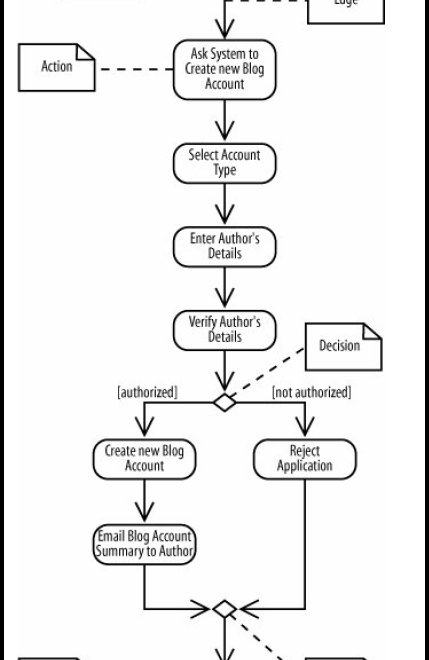
UML from What to How with Use Case and Activity Diagram

UML от чего к чему с использованием диаграмм вариантов использования и диаграмм деятельности

Use cases show what your system should do. Activity diagrams allow you to specify how your system will accomplish its goals. Activity diagrams show high-level actions chained together to represent a process occurring in your system. Activity diagrams are particularly good at modeling business processes or elaborating a use case. This article shows you how to do so.

Продолжить чтение
Полное руководство по визуальному моделированию для разработки программного обеспечения по методологии Agile

Полное руководство по визуальному моделированию для разработки программного обеспечения по методологии Agile

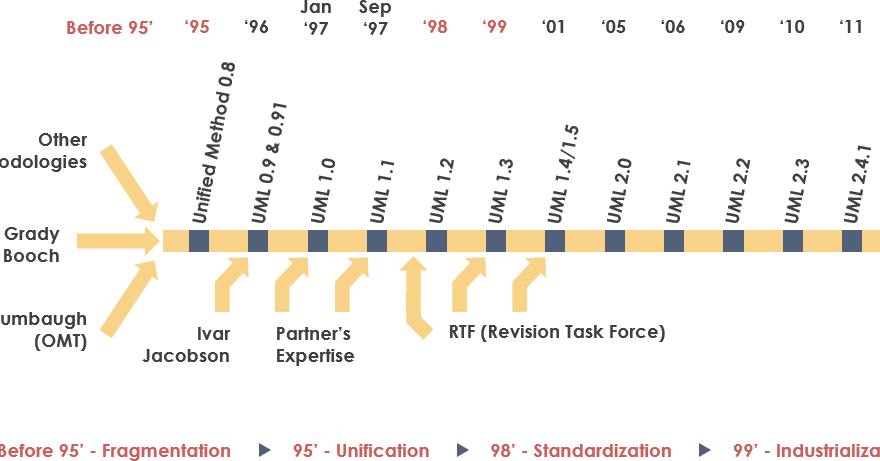
Unified Modeling Language (UML) is a graphical language used for visual modeling in software engineering. UML provides a standardized notation that helps software developers to design and communicate software systems effectively. UML is widely used in software development because it allows developers to capture the system’s requirements, design, and functionality in a visual format that is easy to understand.

Продолжить чтение
Моделирование случаев использования для системы банкомата: всестороннее руководство и кейс-стади

Моделирование случаев использования для системы банкомата: всестороннее руководство и кейс-стади

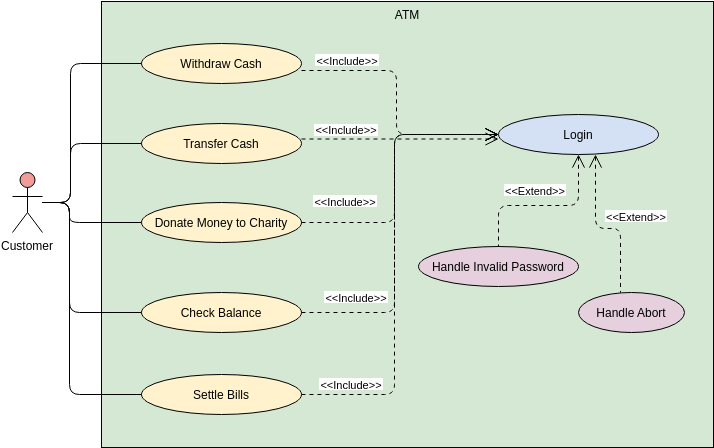
This case study focuses on the use case modeling of an ATM system for a bank. The ATM system is designed to provide customers with a convenient way to access their accounts and perform various banking transactions, such as withdrawing cash, depositing cash, transferring funds, checking their account balance, and changing their PIN.

Продолжить чтение
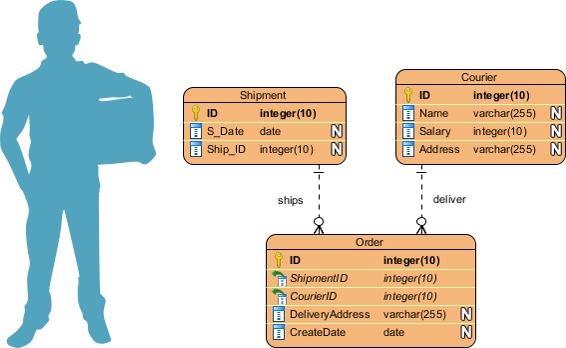
Изучение диаграмм отношений между сущностями: всестороннее руководство

Изучение диаграмм отношений между сущностями: всестороннее руководство

Entity Relationship (ER) diagrams provide a powerful way to visually represent the data requirements of a system and the relationships between different entities. They are particularly useful in database design, where understanding the relationships between various entities is critical to creating an efficient and effective database structure. ER diagrams help to identify the different entities, their attributes, and the relationships that exist between them, providing a comprehensive overview of the data model.

Продолжить чтение