Dalam pengembangan agile, fitur besar—sering disebutEpik—dapat terasa membebani. Mereka mewakili tujuan tingkat tinggi yang mencakup beberapa sprint dan melibatkan beberapa
Continue reading
Belajar satu hal baru setiap hari
Dalam pengembangan agile, fitur besar—sering disebutEpik—dapat terasa membebani. Mereka mewakili tujuan tingkat tinggi yang mencakup beberapa sprint dan melibatkan beberapa
Continue readingScrum adalah salah satu kerangka kerja Agile yang paling banyak diadopsi untuk mengelola pengembangan produk yang kompleks. Ini memberdayakan tim
Continue readingUbah Daftar Backlog Produk Anda menjadi Peta Jalan Strategis dan Visual 🔹 Pengantar: Mengapa Pemetaan Cerita Pengguna? Dalam pengembangan agile,
Continue readingScrum adalah kerangka kerja yang banyak diadopsi digunakan untuk mengelola dan menyelesaikan proyek-proyek kompleks, terutama di bidang pengembangan perangkat lunak.
Continue readingWhen teams first start agile development, little has changed, other than perhaps more meetings on the schedule. They may still operate separately or limit their interactions with customers. You might see the work break down into waterfall kind of tasks, then design user stories, then build stories, then test stories. Therefore, the “Agile Teams” are agile in form when they just walk around without understanding or accepting agile principles and values. Teams become agile when they think and act in line with agile values and principles.
Continue reading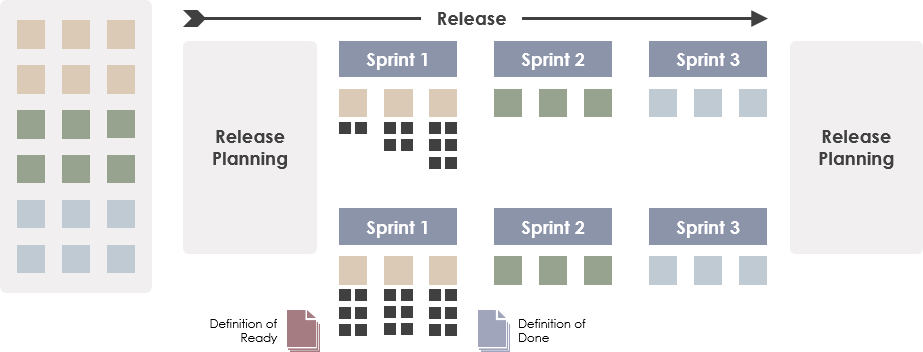
The Definition of Ready is a set of agreements that lets everyone know when something is ready to begin, e.g., when a user story is ready to be taken into a sprint, or when all necessary conditions are right for a team to start a sprint. An appropriate definition of ready will substantially improve the Scrum team’s chance of successfully meeting its sprint goal.
Continue reading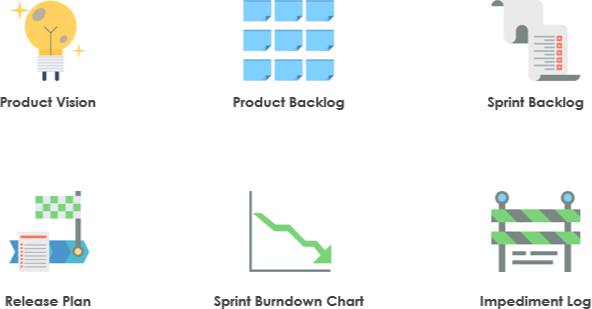
Transparency is the first important aspect of the Scrum process and must be visible to those responsible for the outcome. Transparency requires that these aspects be defined in their daily activities and artifacts so that teams can share a common understanding of what they see.
Continue reading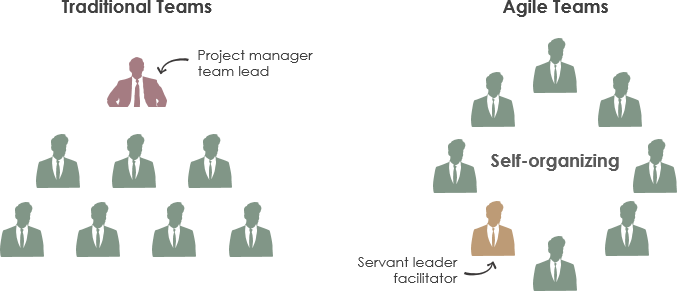
A self-managed team is a group of employees who are responsible for all or most aspects of producing a product or service. The self-managed team is the basic unit of the new horizontal organization. Self-managed teams are an outgrowth of the earlier team approach.
Continue reading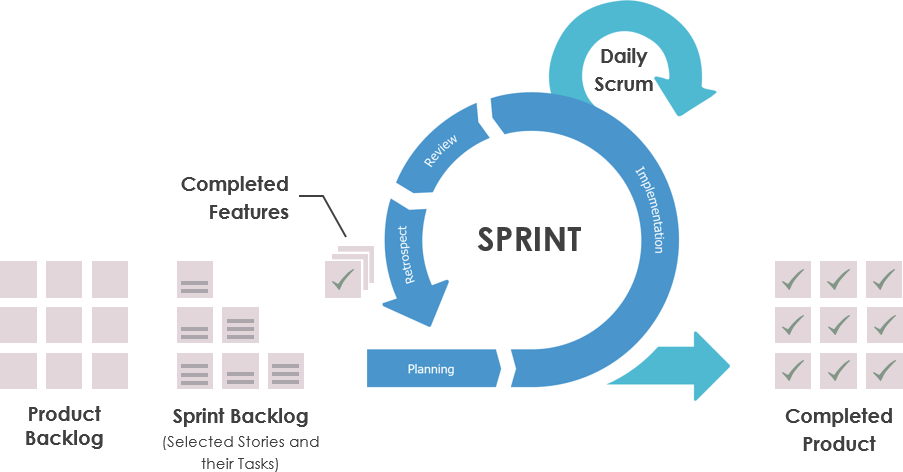
Sprint is one timeboxed iteration of a continuous development cycle. Within a Sprint, planned amount of work has to be completed by the team and made ready for review. Scrum projects are broken down into small and consistent time intervals referred to as sprints. They can be as short as a few days and generally are no longer than 3–4 weeks.
Continue reading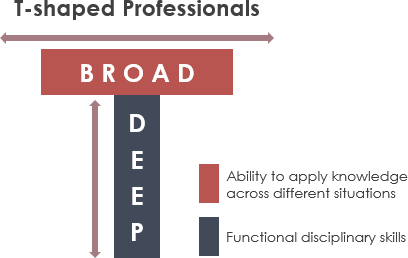
“A Cross-functional teams have all competencies needed to accomplish the work without depending on others not part of the team” — Scrum Guide. In contrast to the component team approach, a cross-functional teams are groups consisting of people from different functional areas of the company. — it should be formed not only with technical specialists (Back-end, Front-end developers, QA engineers, etc.) but also consists of members like Business Analysts, Marketing and UX specialists or anyone else taking an active part in the project.
Continue reading