LeSS is a lightweight, Agile framework for scaling Scrum to more than one team. Starting in 2005 Bas Vodde and Craig Larman developed the LeSS framework after using Scrum principles and rules on large scale projects. Their goal was to develop large scale projects successfully while staying within the constraints of Scrum.
Continue readingKategori: Agile Project Management
Tim Agile Anda: Terlalu Besar atau Terlalu Kecil?
Most Agile and Scrum training courses refer to a 7 +/- 2 rule, that is, agile or Scrum teams should be 5 to 9 members. Scrum enthusiasts may recall that the Scrum guide says Scrum teams should not be less than 3 or more than 9. Where does this thumb rule come from? and Why?
Continue reading
Integrasikan PERT Chart dengan Peran RACI ke Manajer Tugas
Today I would like to use Visual Paradigm to demonstrate how to perform task planning for team members who will take up the RACI roles and these tasks in the Enhanced PERT Chart can automatically be assigned to the automated task manager called “Tasifier” for project management. A traditional PERT chart is a project management tool used to schedule, organize, and coordinate tasks within a project. The enhanced PERT Chart tool adds four additional features for integrating with different Visual Paradigm building blocks. You can do all these within an enhanced PERT Chart modeler.
Continue readingLakukan Lebih Banyak dengan Kerangka LeSS (Large Scale Scrum): dengan Ilustrasi Alat
LeSS was created by Bas Vodde and Craig Larman from practical experience in scaling up Scrum, founded as the LeSS Company in 2014. The “More with LeSS” principle is at the heart of LeSS (Large Scale Scrum). Complex product development doesn’t require complex solutions. It requires a deep understanding of the essence of the problems, which can then be solved with simpler solutions.
Continue reading
Cara Membuat Pemodelan UML menjadi Agile & Tepat Waktu
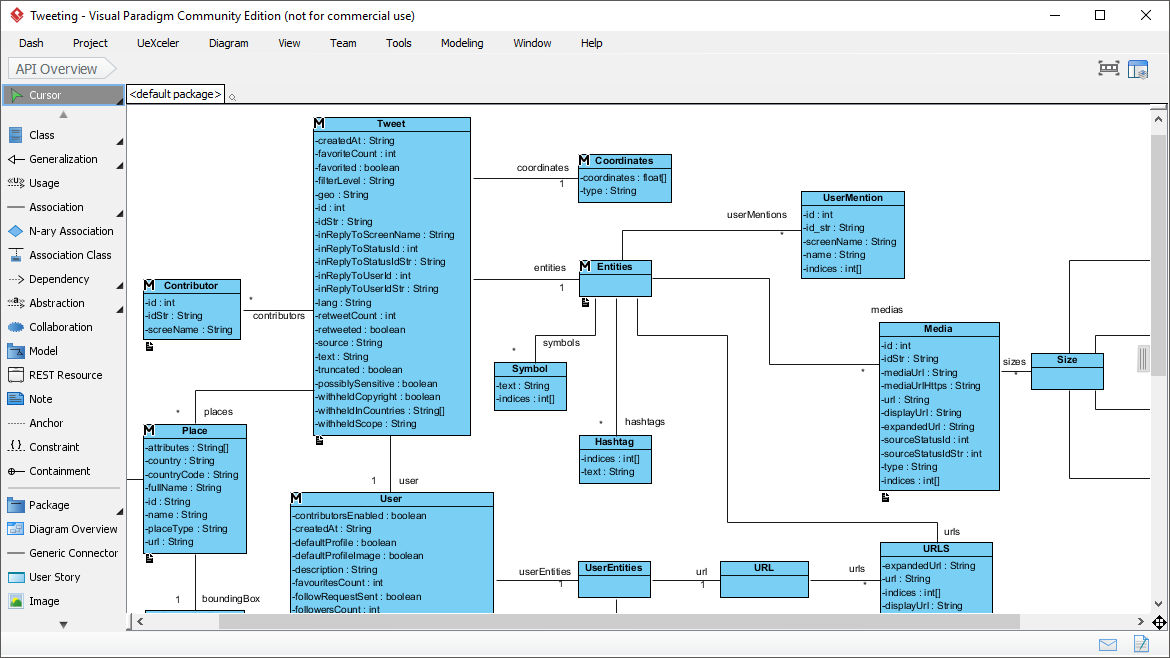
This Article will show you how to effectively apply UML modeling in both agile and just-in-time manner with the powerful Model ETL feature. A UML model or diagram is a specific view into what you are trying to understand in a specific context.
Continue reading
Kapan Harus Menggunakan Apa? User Story / Use Case / Fitur / Item Backlog
We always come across these terms in software development. Sometimes people a piece of software feature — requirement/ use case, backlog items …. What is the convention of the software people for using that or which?
Continue reading
Apa itu estimasi agile? Apa saja jebakan umum?
In software development , the usual “estimation” includes a quantitative evaluation of the work required to perform a given development task; this is usually expressed in terms of duration (hour / day) or estimated unit (story point). The purpose is to consolidate a number of such individual estimates in order to obtain an indication of the overall duration, work or cost of the software project.
Continue reading
Apa itu Diagram Alir Lintas Fungsi?
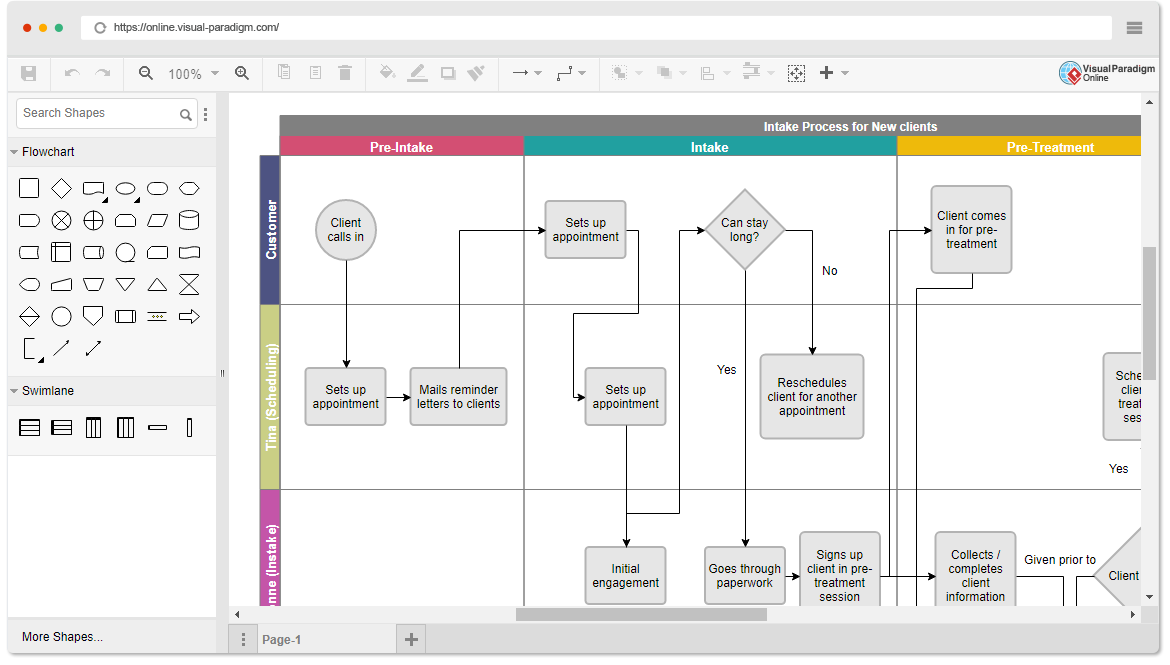
A cross-functional flowchart (sometimes referred to as a deployment flowchart) is a business process mapping tool used to articulate the steps and stakeholders of a given process. Typically, we use a cross-functional flowchart to show the relationship between a business process and the functional units (such as departments) responsible for that process.
Continue reading
7 Metode Estimasi Agile Paling Populer untuk User Stories
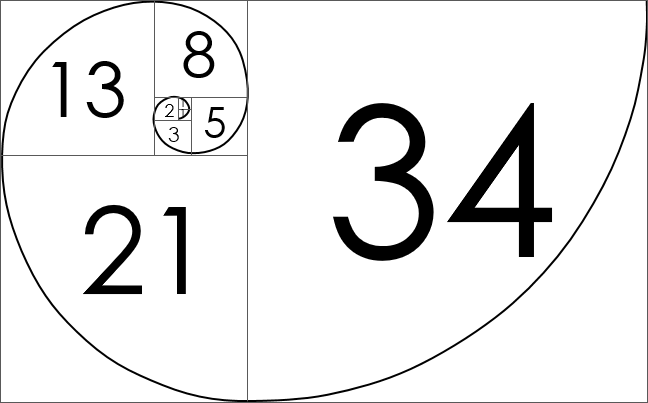
In software development, “estimation” in the usual sense includes a quantitative assessment of the effort required to perform a specific development task; this is usually expressed in terms of duration. Agile estimation is the process of evaluating the effort required to complete the tasks on a product’s backlog in order of priority. This effort is usually measured in terms of the time required to complete the task, which in turn leads to accurate sprint planning.
Continue reading
Estimasi Agile dalam Scrum? Poin Cerita dan Poker Perencanaan
Whether the team is working on a product or a project, we need to answer the question, “When will we get it done?” “Or how much we can do at a certain point in time, so as in the traditional development model, we need to estimate the effort before we start the project. During the development of Scrum, the team shared responsibility and collectively committed to the work of each Sprint, so the estimated workload for the agile team used a collective estimation approach.
Continue reading