Cross-functional vs Self-organizing vs Feature vs Component Teams in Agile

Tim lintas fungsi vs Tim mandiri vs Tim fitur vs Tim komponen dalam Agile

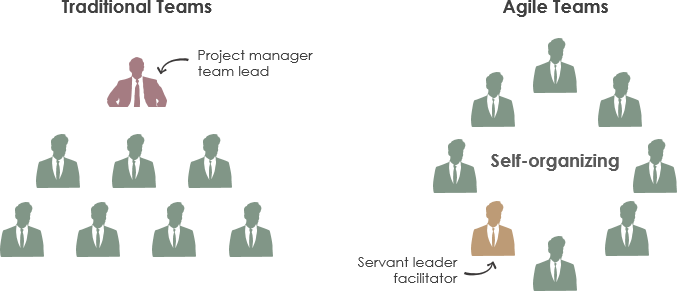
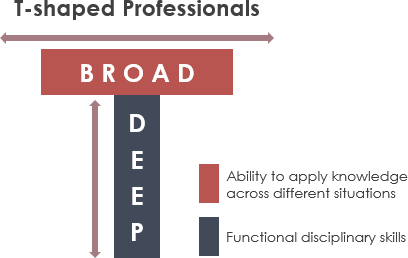
“A Cross-functional teams have all competencies needed to accomplish the work without depending on others not part of the team” — Scrum Guide. In contrast to the component team approach, a cross-functional teams are groups consisting of people from different functional areas of the company. — it should be formed not only with technical specialists (Back-end, Front-end developers, QA engineers, etc.) but also consists of members like Business Analysts, Marketing and UX specialists or anyone else taking an active part in the project.

Continue reading
Agile Estimation: Relative estimates vs Absolute estimates

Estimasi Agile: Estimasi relatif vs Estimasi absolut

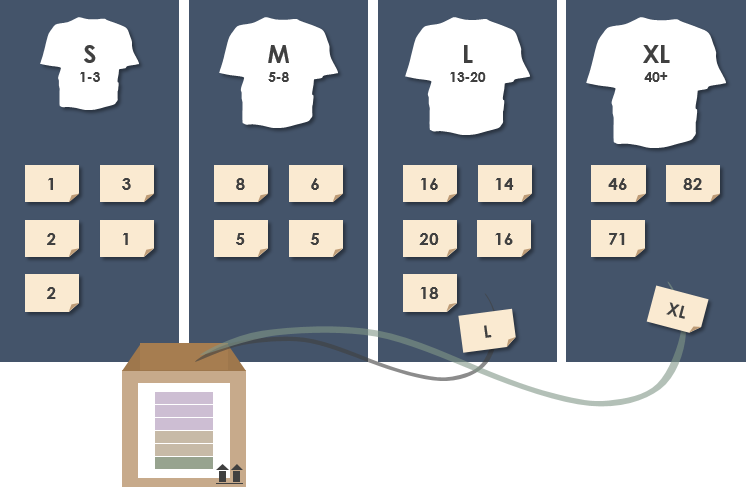
Whether a team is developing a product or a project, we need to answer the question “When will we be able to finish it?” , or how far we will be able to go at a certain point in time, so as with traditional development models, we need to estimate the workload before we start the project. Agile estimation is the process of estimating the effort required to complete a priority task in the product backlog. This effort is usually measured in terms of the time required to complete that task, which in turn leads to accurate sprint planning.

Continue reading
The seven most popular agile development methods

Tujuh metode pengembangan agile yang paling populer

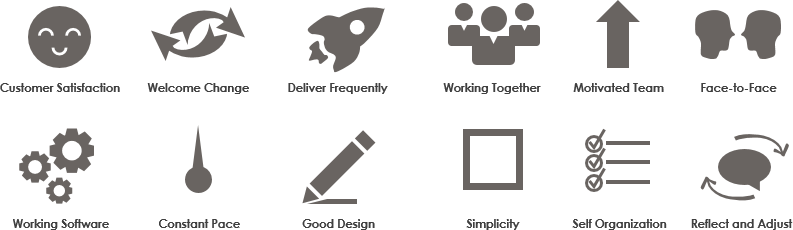
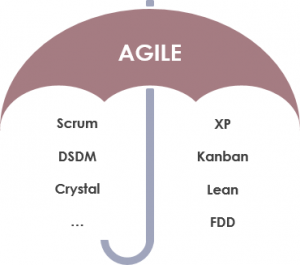
When the Agile Manifesto was created, there were quite a few “lightweight” development processes; Other such methods have since emerged. They are now collectively referred to as “agile” methods. Since the birth of the Agile Manifesto in 2001, there has much buzz around being agile. The Agile approach is just a way of thinking that enables teams and organizations to innovate, quickly respond to changing demand, while mitigating risk. Organizations can be agile using many of the available frameworks available such as Scrum, Kanban, Lean, XP, etc…

Continue reading
Pendekatan Pengembangan Berbasis Uji untuk Pengembangan Perangkat Lunak Agile

Pendekatan Pengembangan Berbasis Uji untuk Pengembangan Perangkat Lunak Agile

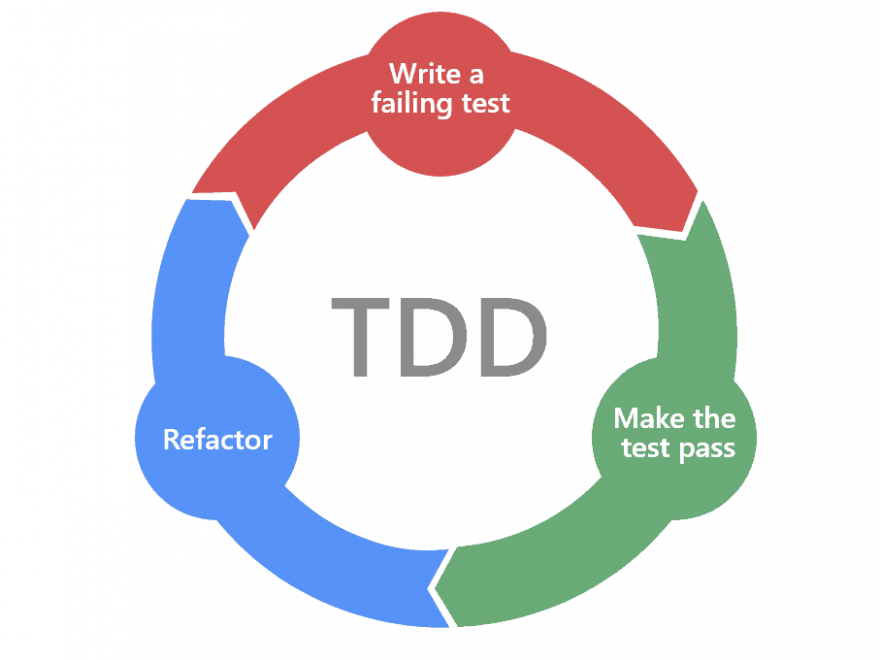
Test Driven Development (TDD) is a software development process, which relies on transforming software requirements into test cases before software is fully developed, and tracking all software development by repeatedly testing software for all test cases. This is the opposite of developing software first and then creating test cases. Some popular models support TDD very well, such as MVC and MVP.

Continue reading
How to Manage Product Backlog with DEEP Principles?

Bagaimana Mengelola Product Backlog dengan Prinsip DEEP?

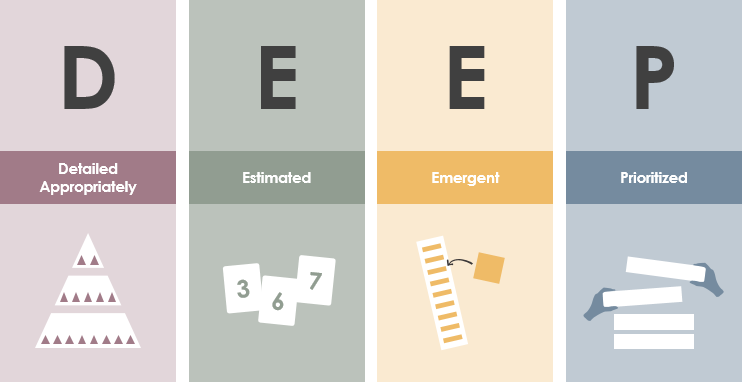
The product backlog lists all the features, functions, requirements, enhancements, and fixes required for the product releases. Product backlog projects have the attributes of description (appropriately Detailed), story points (Estimates), and orders (Prioritized). They must be continuously added, deleted, and updated (Emergent) in the backlog, and reflect the understanding of the team backlog in a timely and appropriate manner .

Continue reading
Philosophy of Agile Development

Filsafat Pengembangan Agile

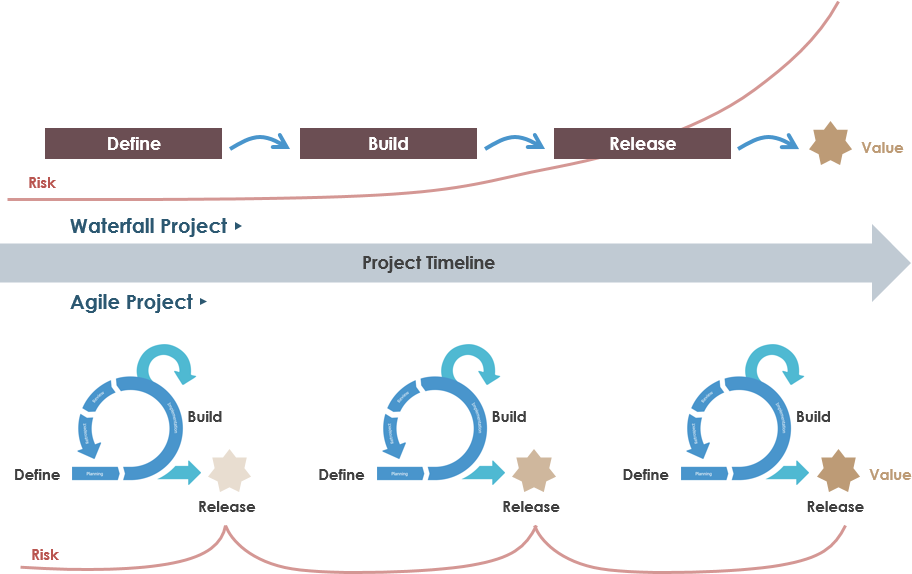
Agile development is a human-centric, iterative, and gradual development method. In agile development, the construction of a software project is divided into multiple sub-projects, and the results of each sub-project have been tested and have the characteristics of integration and operation. In other words, a large project is divided into multiple small projects that are interrelated but can also be run independently, and completed separately. During this process, the software is always in a usable state.

Continue reading