یادگیری نمودارهای رابطه موجودیت: راهنمای جامع

یادگیری نمودارهای رابطه موجودیت: راهنمای جامع

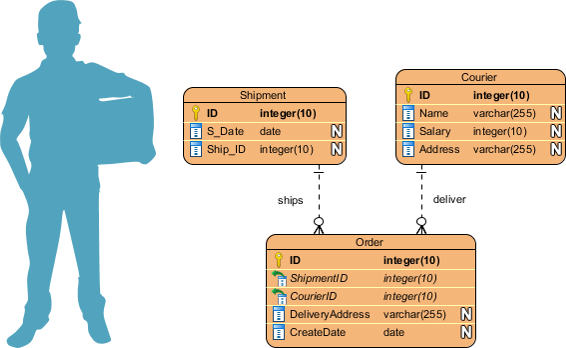
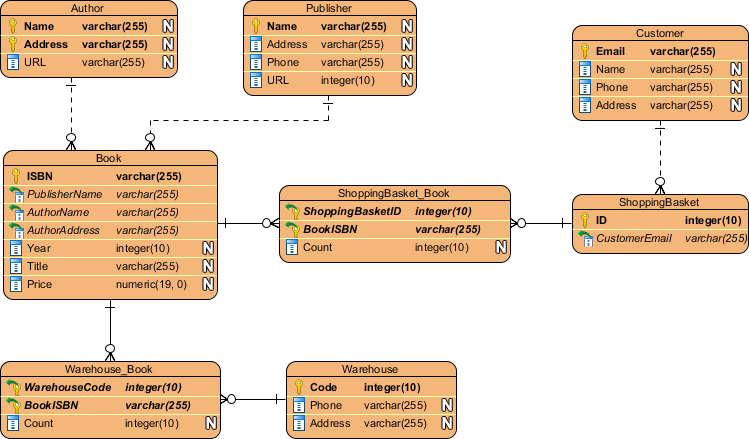
Entity Relationship (ER) diagrams provide a powerful way to visually represent the data requirements of a system and the relationships between different entities. They are particularly useful in database design, where understanding the relationships between various entities is critical to creating an efficient and effective database structure. ER diagrams help to identify the different entities, their attributes, and the relationships that exist between them, providing a comprehensive overview of the data model.

Continue reading
تسلط بر نمودارهای رابطه موجودیت: راهنمای جامع برای طراحی مدل‌های داده‌ای مؤثر

تسلط بر نمودارهای رابطه موجودیت: راهنمای جامع برای طراحی مدل‌های داده‌ای مؤثر

In the realm of data modeling and database design, the entity-relationship diagram (ERD) is an essential tool that plays a vital role. It serves as a visual representation of data, aiding in the description of the relationships between entities and their attributes. By displaying the relationships between entities in a clear and concise manner, ERDs provide an excellent means of modeling intricate systems and identifying how different entities are interconnected.

Continue reading
تسلط بر مدل‌سازی موارد استفاده: راهنمای جامع برای توسعه نرم‌افزار و تحلیل سیستم

تسلط بر مدل‌سازی موارد استفاده: راهنمای جامع برای توسعه نرم‌افزار و تحلیل سیستم

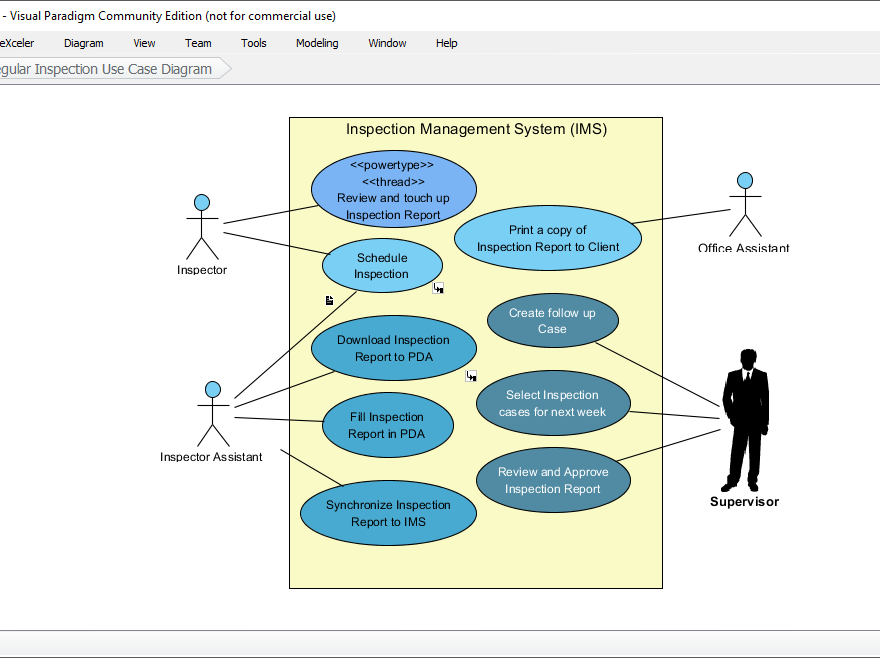
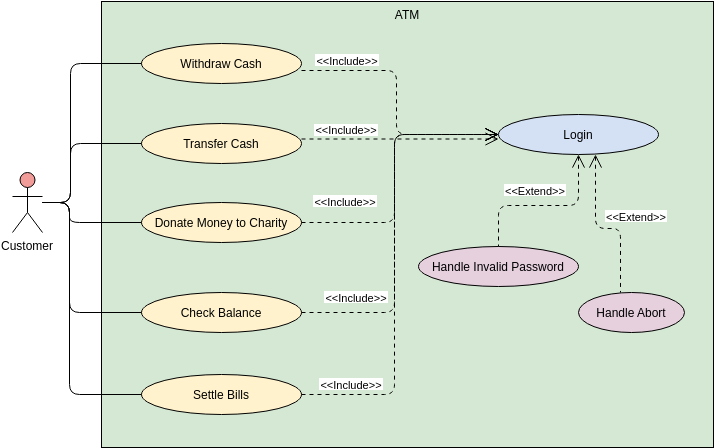
Use case modeling is a technique used to capture and describe the interactions between users (actors) and a system or software application. It helps to define the requirements of a system from a user’s perspective and to document the functionality that the system needs to provide. Use case modeling is an essential part of software development and is widely used in the field of business analysis.

Continue reading
راهنمای جامع درک و پیاده‌سازی زبان مدل‌سازی یکپارچه در توسعه نرم‌افزار

راهنمای جامع درک و پیاده‌سازی زبان مدل‌سازی یکپارچه در توسعه نرم‌افزار

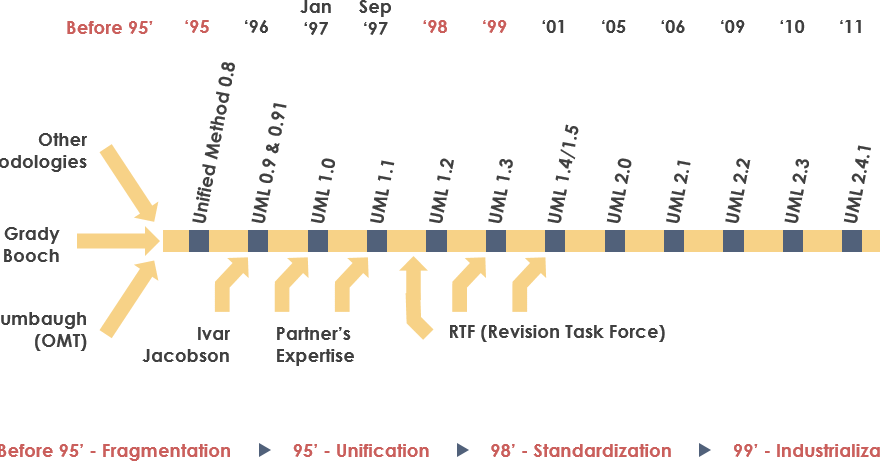
UML is a powerful tool for software developers, architects, and designers as it provides a common language and notation for communicating design decisions and system architecture. It includes many types of diagrams, such as use case diagrams, class diagrams, and sequence diagrams, that can be used throughout the software development life cycle. UML also supports advanced concepts such as stereotypes, profiles, constraints, and packages, which allow for more precise and tailored modeling of software systems. Overall, UML is a valuable tool for software development and can help to improve communication, collaboration, and the overall quality of software systems.

Continue reading
راهنمای جامع مدلسازی بصری برای توسعه نرمافزار آگیل

راهنمای جامع مدلسازی بصری برای توسعه نرمافزار آگیل

Unified Modeling Language (UML) is a graphical language used for visual modeling in software engineering. UML provides a standardized notation that helps software developers to design and communicate software systems effectively. UML is widely used in software development because it allows developers to capture the system’s requirements, design, and functionality in a visual format that is easy to understand.

Continue reading