¿Qué es ArchiMate ArchiMatees un lenguaje de modelado que apoya la descripción, el análisis y la visualización de la arquitectura
Sigue leyendo
Aprendiendo una cosa nueva todos los días
¿Qué es ArchiMate ArchiMatees un lenguaje de modelado que apoya la descripción, el análisis y la visualización de la arquitectura
Sigue leyendo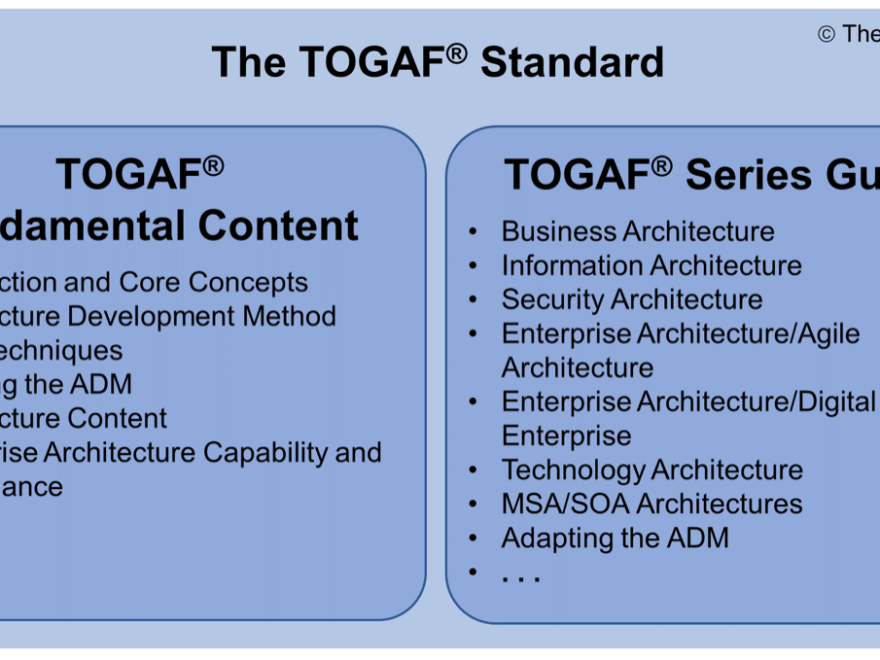
La El Grupo Abiertoha lanzado TOGAF 10, un marco de arquitectura empresarial más flexible y personalizable que es más fácil
Sigue leyendo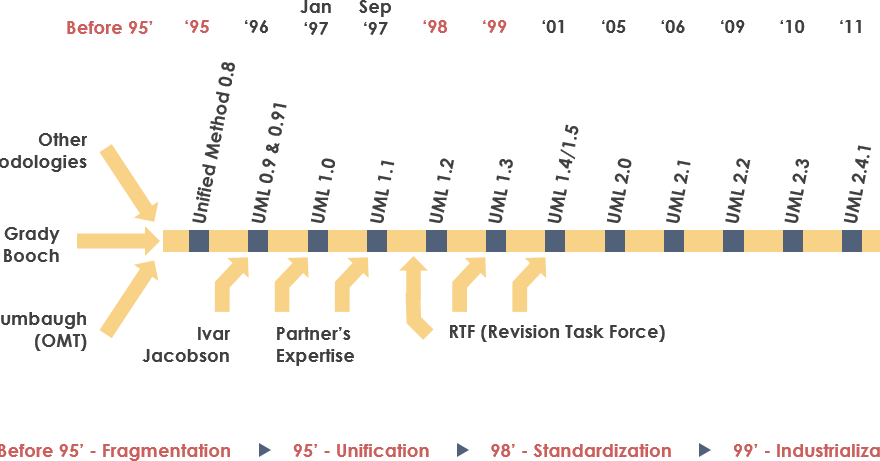
UML is a powerful tool for software developers, architects, and designers as it provides a common language and notation for communicating design decisions and system architecture. It includes many types of diagrams, such as use case diagrams, class diagrams, and sequence diagrams, that can be used throughout the software development life cycle. UML also supports advanced concepts such as stereotypes, profiles, constraints, and packages, which allow for more precise and tailored modeling of software systems. Overall, UML is a valuable tool for software development and can help to improve communication, collaboration, and the overall quality of software systems.
Sigue leyendo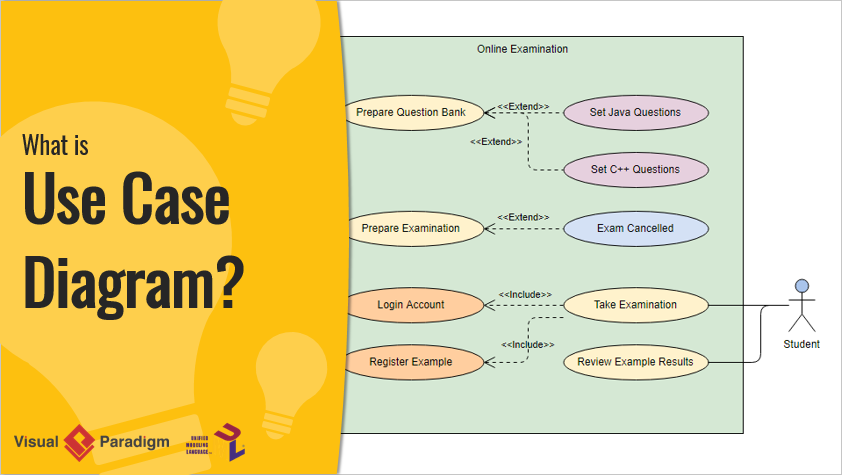
Use case modeling is a technique used to capture and describe the interactions between users (actors) and a system or software application. It helps to define the requirements of a system from a user’s perspective and to document the functionality that the system needs to provide. Use case modeling is an essential part of software development and is widely used in the field of business analysis.
Sigue leyendoThis case study focuses on the use case modeling of an ATM system for a bank. The ATM system is designed to provide customers with a convenient way to access their accounts and perform various banking transactions, such as withdrawing cash, depositing cash, transferring funds, checking their account balance, and changing their PIN.
Sigue leyendo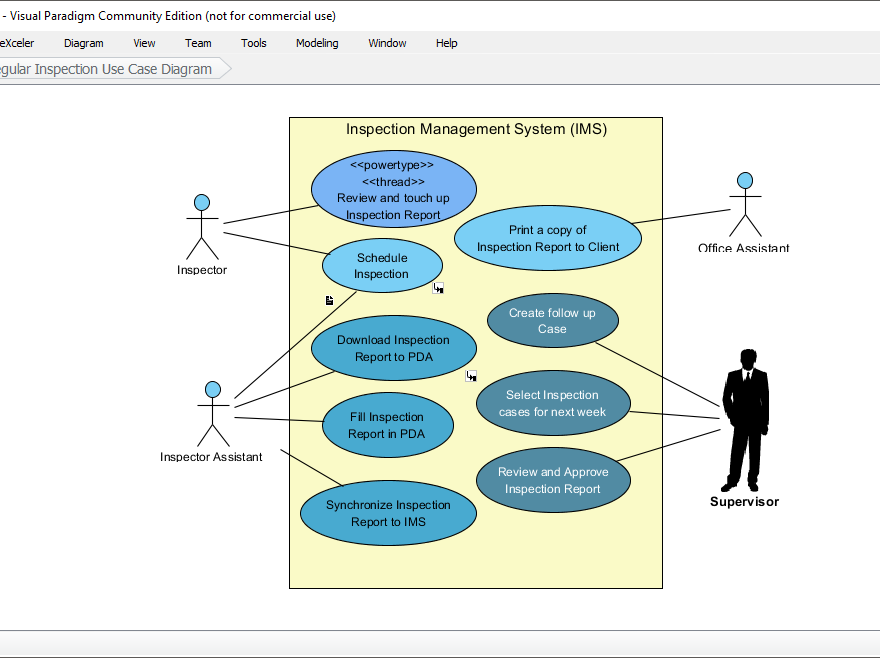
Use cases are an essential tool in software development and systems analysis. They provide a clear and concise way to define the behavior and functionality of a system, by describing the interactions between users (known as “actors”) and the system itself.
Sigue leyendo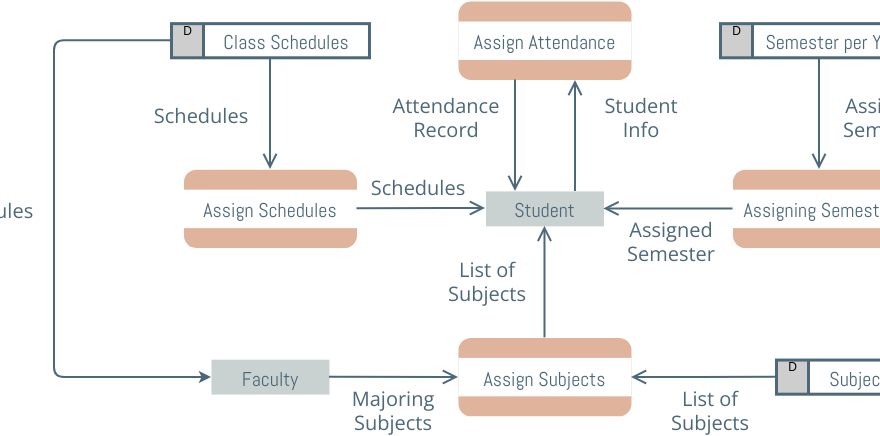
Data flow diagrams (DFDs) are visual representations that illustrate the flow of information within a system. They are used to describe the processes and data flows in a structured manner, and are useful in analyzing, designing, and documenting information systems.
Sigue leyendo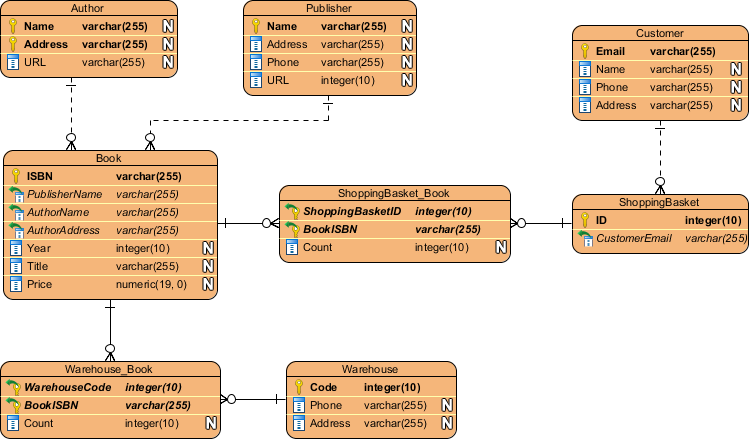
In the realm of data modeling and database design, the entity-relationship diagram (ERD) is an essential tool that plays a vital role. It serves as a visual representation of data, aiding in the description of the relationships between entities and their attributes. By displaying the relationships between entities in a clear and concise manner, ERDs provide an excellent means of modeling intricate systems and identifying how different entities are interconnected.
Sigue leyendo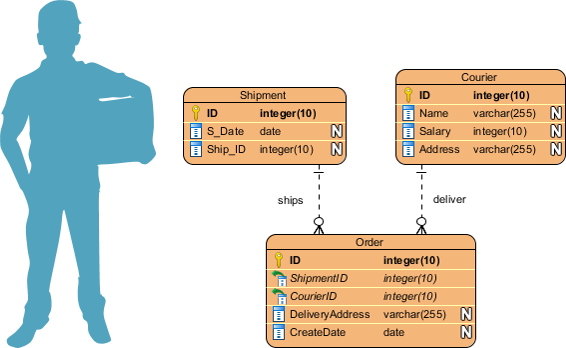
Entity Relationship (ER) diagrams provide a powerful way to visually represent the data requirements of a system and the relationships between different entities. They are particularly useful in database design, where understanding the relationships between various entities is critical to creating an efficient and effective database structure. ER diagrams help to identify the different entities, their attributes, and the relationships that exist between them, providing a comprehensive overview of the data model.
Sigue leyendo
El marketing de video es efectivo por varias razones. En primer lugar, los videos tienen una tasa de participación más
Sigue leyendo