Scrum is a widely adopted framework used for managing and completing complex projects, particularly in the software development domain. At
Continue readingCategory: Agile Project Management
Agile team: The Development Maturity
When teams first start agile development, little has changed, other than perhaps more meetings on the schedule. They may still operate separately or limit their interactions with customers. You might see the work break down into waterfall kind of tasks, then design user stories, then build stories, then test stories. Therefore, the “Agile Teams” are agile in form when they just walk around without understanding or accepting agile principles and values. Teams become agile when they think and act in line with agile values and principles.
Continue reading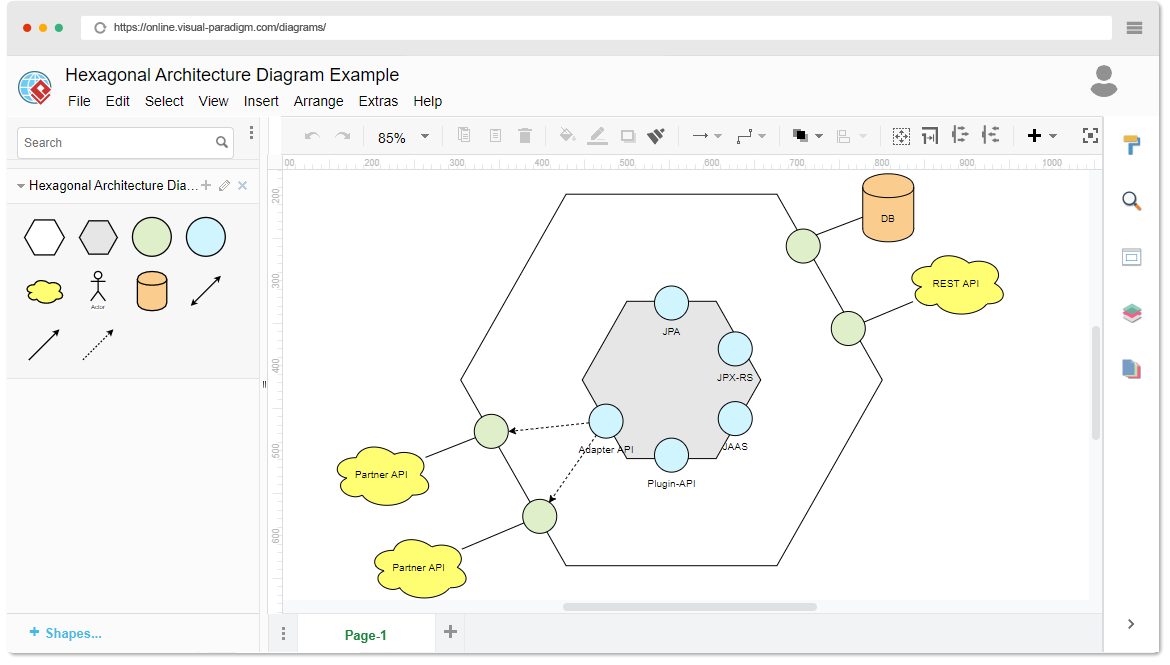
What is Hexagonal Architecture Diagram
Hexagonal architecture diagram is an architectural pattern used in software design aiming at creating loosely coupled application components. This approach is an alternative to the traditional layered architecture. It is one of the many forms of DDD (Domain Driven Design Architecture).
Continue reading
Critical Thinking: What is Y-Chart?
The Y-Chart is a graph consisting of three parts which can help organize the understanding of the subject by writing down and/or drawing the look, feel and sound of the subject. (1) What Does It Look Like? (2) What Does It Feel Like? (3) What Does It Sound Like?
Continue reading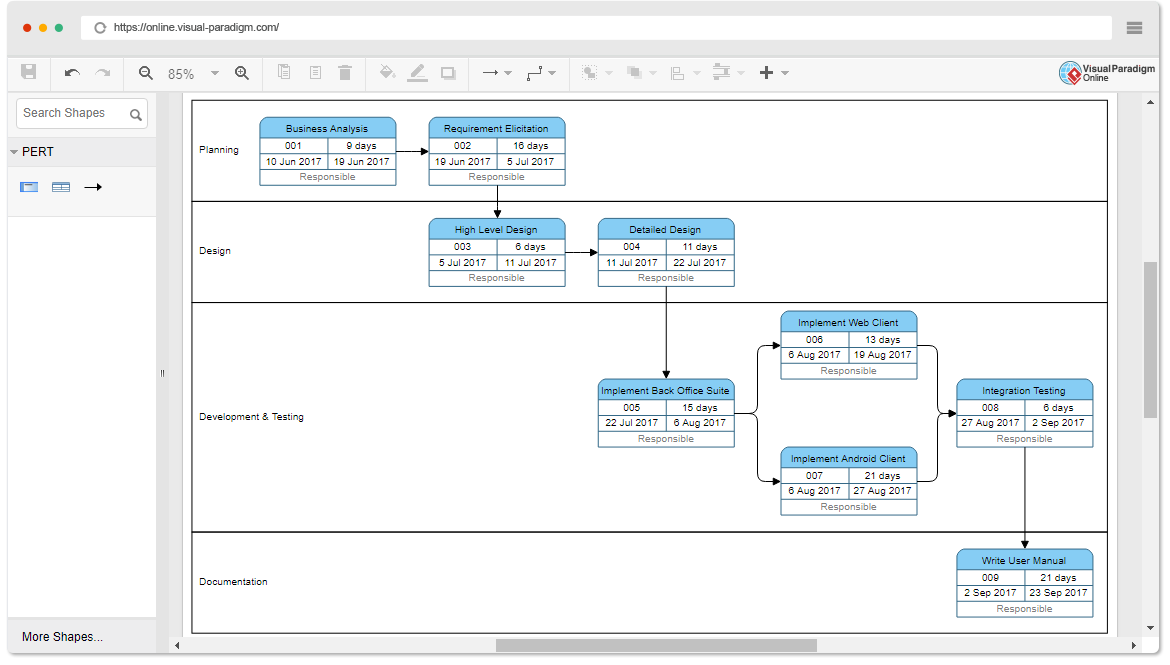
PERT Chart Tutorial
PERT Chart is acronym for (Program Evaluation and Review Technique). A PERT chart is a project management tool used to schedule, organize, and coordinate tasks within a project. It is basically a method to analyze the tasks involved in completing a given project, especially the time needed to complete each task, and to identify the minimum time needed to complete the total project.
Continue reading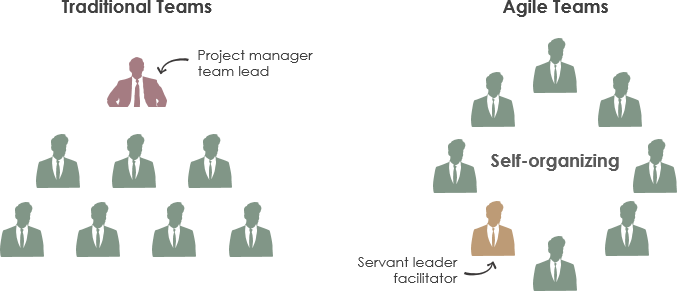
What is Self Management Approach?
A self-managed team is a group of employees who are responsible for all or most aspects of producing a product or service. The self-managed team is the basic unit of the new horizontal organization. Self-managed teams are an outgrowth of the earlier team approach.
Continue reading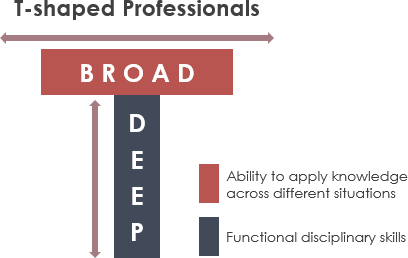
Cross-functional vs Self-organizing vs Feature vs Component Teams in Agile
“A Cross-functional teams have all competencies needed to accomplish the work without depending on others not part of the team” — Scrum Guide. In contrast to the component team approach, a cross-functional teams are groups consisting of people from different functional areas of the company. — it should be formed not only with technical specialists (Back-end, Front-end developers, QA engineers, etc.) but also consists of members like Business Analysts, Marketing and UX specialists or anyone else taking an active part in the project.
Continue reading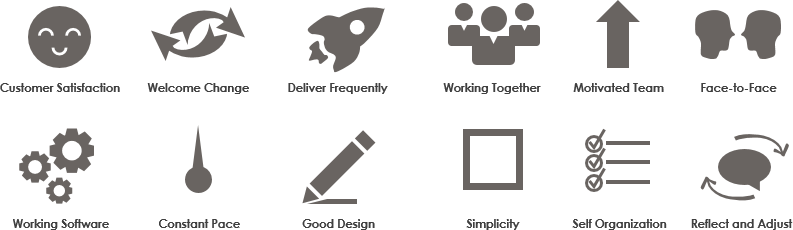
The Agile Manifesto and Twelve Principles
Agile is a philosophy of providing solutions that encompass and facilitate evolutionary change throughout the life cycle of a product/project. Many agile teams and organizations have been using Agile to deliver software faster, improve quality, and ultimately improve customer satisfaction.
Continue reading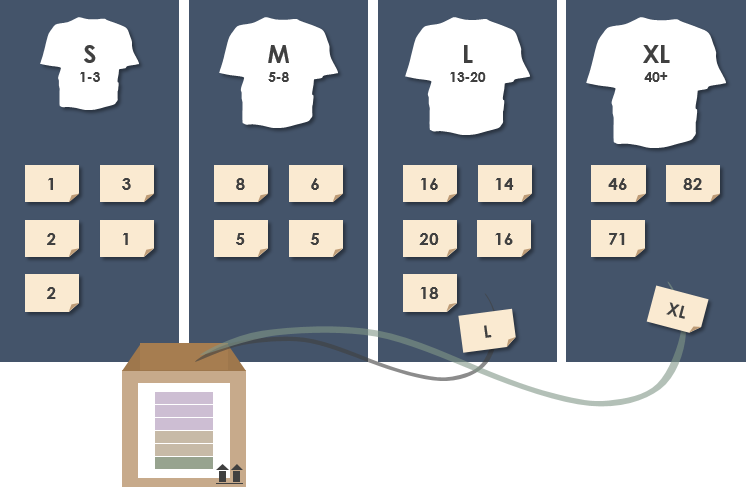
Agile Estimation: Relative estimates vs Absolute estimates
Whether a team is developing a product or a project, we need to answer the question “When will we be able to finish it?” , or how far we will be able to go at a certain point in time, so as with traditional development models, we need to estimate the workload before we start the project. Agile estimation is the process of estimating the effort required to complete a priority task in the product backlog. This effort is usually measured in terms of the time required to complete that task, which in turn leads to accurate sprint planning.
Continue reading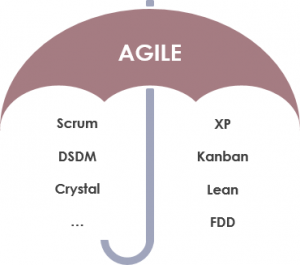
The seven most popular agile development methods
When the Agile Manifesto was created, there were quite a few “lightweight” development processes; Other such methods have since emerged. They are now collectively referred to as “agile” methods. Since the birth of the Agile Manifesto in 2001, there has much buzz around being agile. The Agile approach is just a way of thinking that enables teams and organizations to innovate, quickly respond to changing demand, while mitigating risk. Organizations can be agile using many of the available frameworks available such as Scrum, Kanban, Lean, XP, etc…
Continue reading