In addition to a standardized format and complete elements, a good user story should also follow the INVEST principles: 1. Idependent; 2. Negotiable; 3. Valuable; 4. Estimatable; 5. Small; 6. Testable.
Continue reading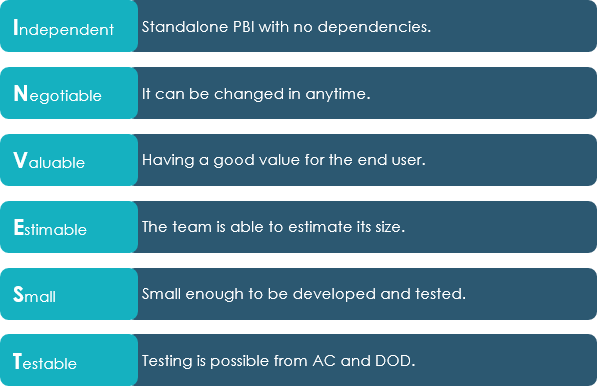
Learning one new thing everyday
In addition to a standardized format and complete elements, a good user story should also follow the INVEST principles: 1. Idependent; 2. Negotiable; 3. Valuable; 4. Estimatable; 5. Small; 6. Testable.
Continue reading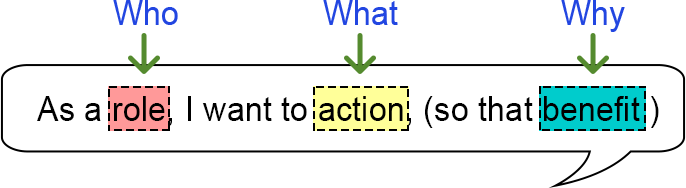
User stories are a lightweight method for quickly capturing the “who”, “what” and “why” of product requirements. Simply put, user stories are ideas that express the needs that users want. User stories are short, and each element usually contains less than 10 or 15 words. User stories are “to-do” lists that help you identify the steps along the project path. They help ensure that your process, and the resulting product, meet your requirements.
Continue reading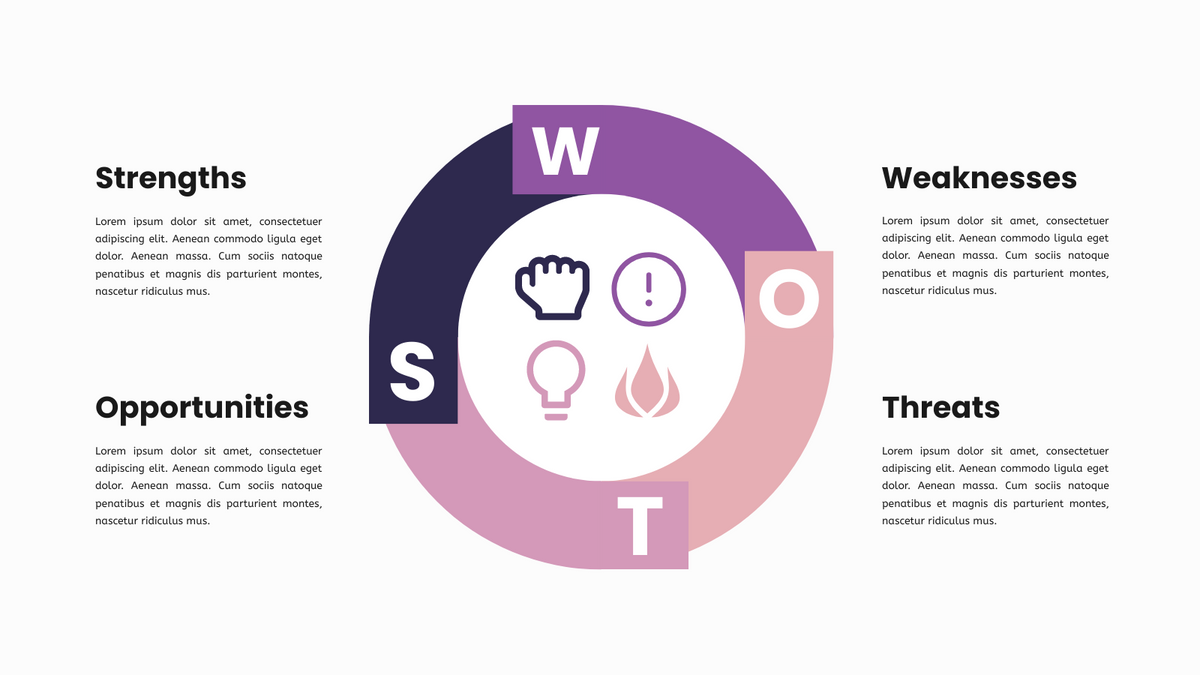
SWOT analysis is the most common market analysis method used in business and academia to evaluate the internal strengths and weaknesses of a company as well as the opportunities and threats of external competitors through brainstorming. SWOT analysis represents Strength, Weakness, Opportunity and Threat. This analysis framework helps companies to assess their competitive position and formulate strategic plans.
Continue reading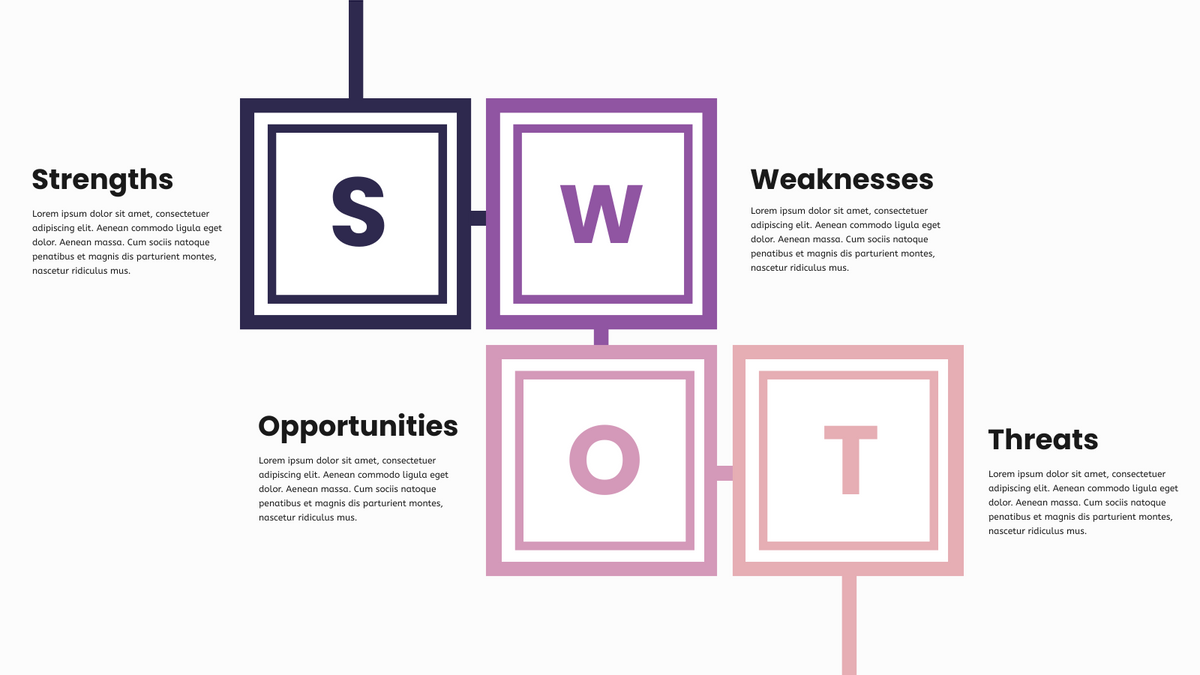
What is the SWOT analysis method? The SWOT anlysis is a situational analysis method based on the analysis of internal
Continue reading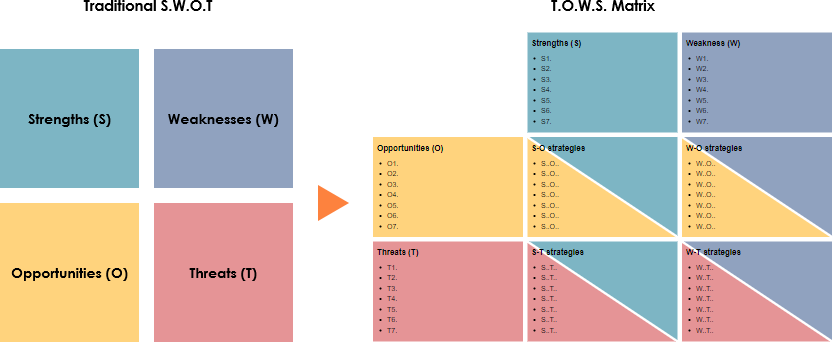
Many organizations use SWOT analysis to determine the strengths and weaknesses of their organization. SWOT analysis can be interesting, but what should you do with the information you get? This is where the TOWS matrix becomes a useful tool. It is a simple and effective way to brainstorm and develop specific strategies to address the initial SWOT findings.
Continue reading
What is SWOT Analysis? SWOT consists of four aspects, starting with the first character of the word: ” Strengths”, “Weaknesses”,
Continue reading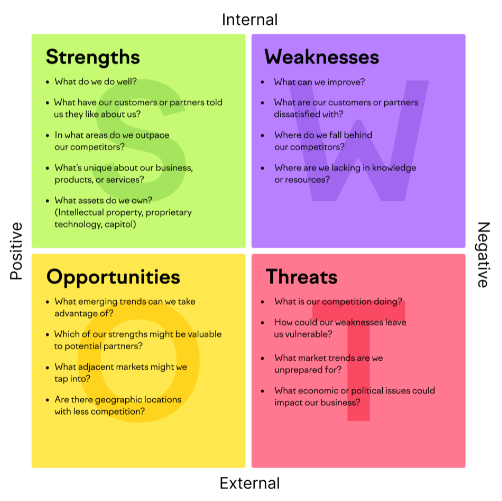
When developing a marketing strategy, the most commonly used SWOT is to identify internal strengths and weaknesses, external opportunities and
Continue reading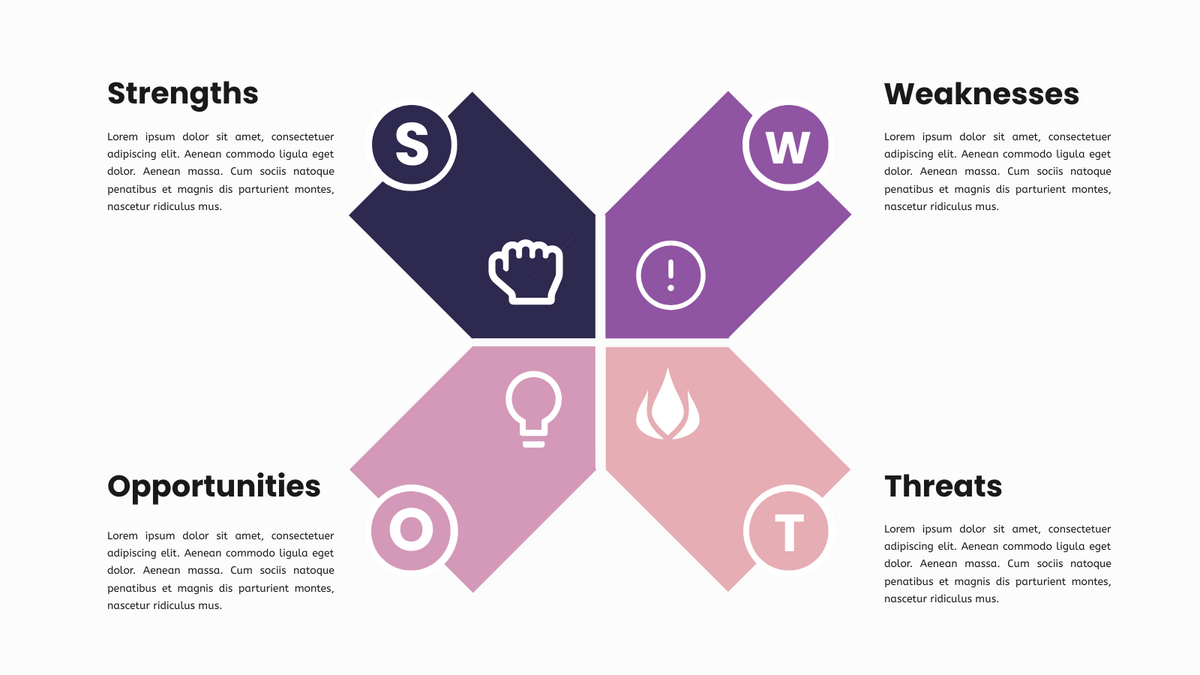
What is SWOT Analysis? SWOT Analysis (also known as strengths, weaknesses, opportunities and threats analysis) is the easiest way to
Continue reading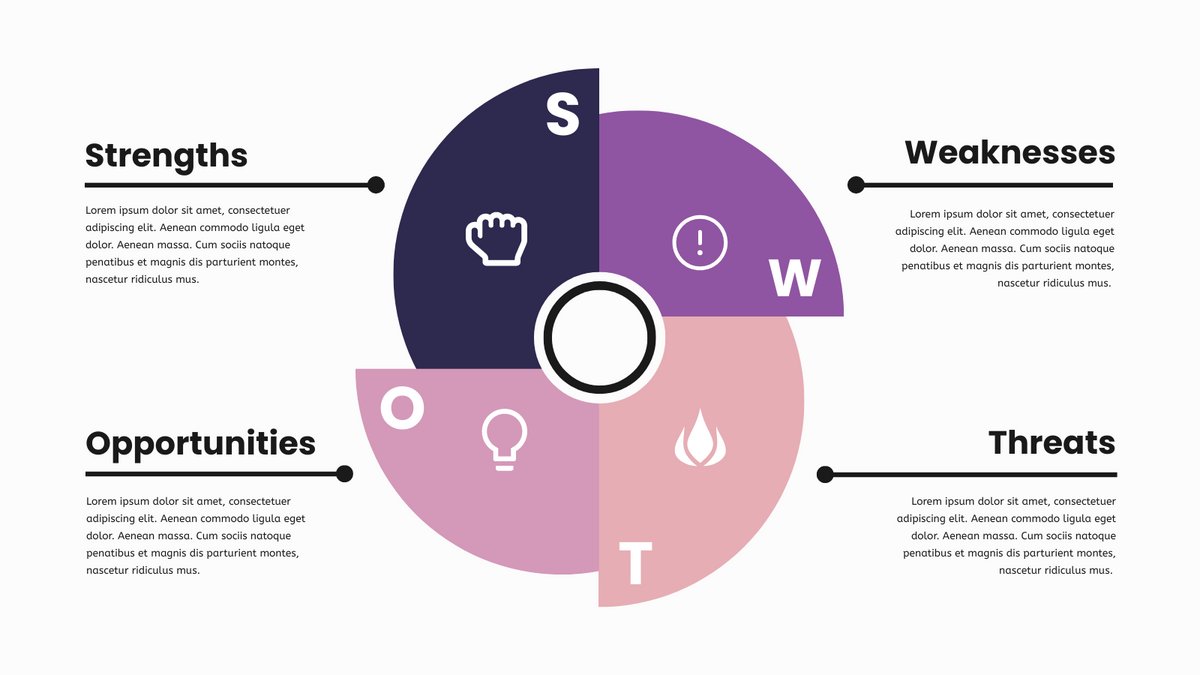
“If you know the enemy and know yourself, you need not fear the result of a hundred battles. If you know yourself but not the enemy, for every victory gained you will also suffer a defeat. If you know neither the enemy nor yourself, you will succumb in every battle.”
Continue reading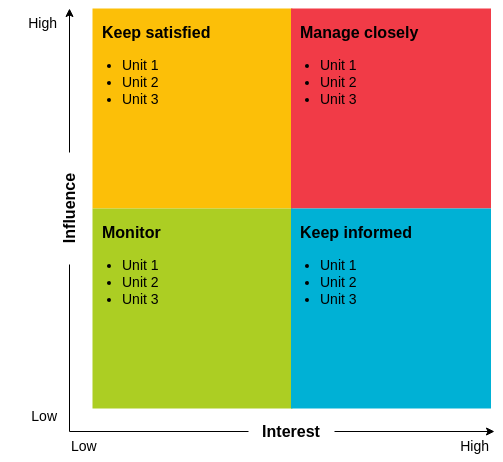
Stakeholder Analysis is a project management tool. It helps to identify internal and external stakeholders that may influence or be influenced by the solutions proposed during the project implementation which an important process that successful people use to win support from others. Managing stakeholders can help you to ensure that your projects succeed where others might fail.
Continue reading