Introdução No cenário em constante evolução das arquiteturas empresariais, a comunicação eficaz é fundamental. O padrão ArchiMate® surge como a
Continue reading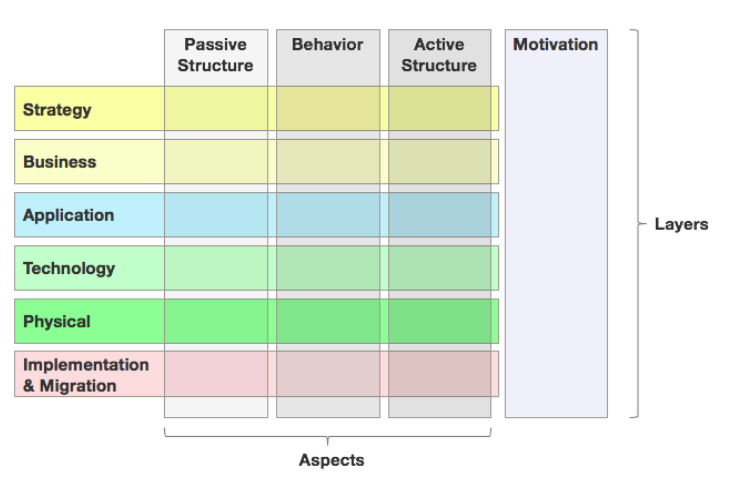
Aprendendo uma coisa nova todos os dias
Introdução No cenário em constante evolução das arquiteturas empresariais, a comunicação eficaz é fundamental. O padrão ArchiMate® surge como a
Continue reading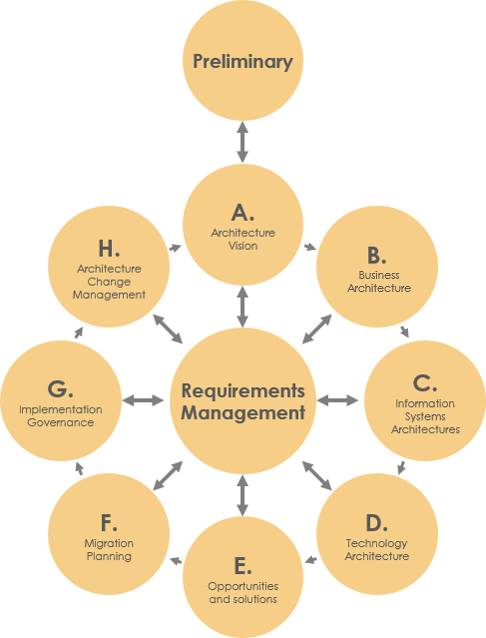
Introdução No dinâmico campo da arquitetura empresarial, o padrão TOGAF 10 surge como um farol de inovação e adaptabilidade. Com
Continue reading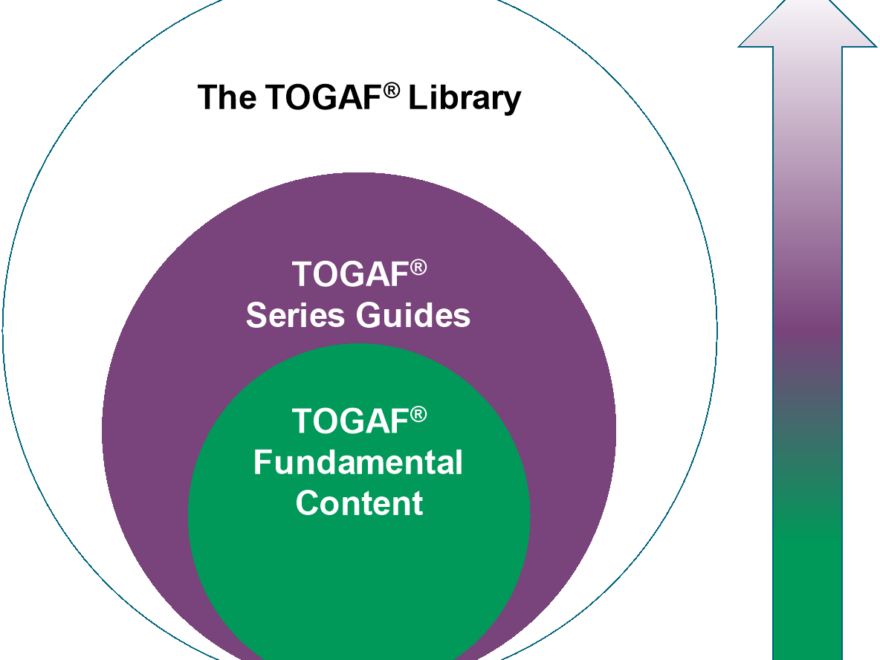
Introdução TOGAF 10, a versão mais recente do Framework de Arquitetura da The Open Group, conhecido como Padrão TOGAF, 10ª
Continue reading
Introdução O lançamento da Norma TOGAF®, 10ª Edição representa um salto significativo no campo da Arquitetura Empresarial (EA). Esta versão
Continue reading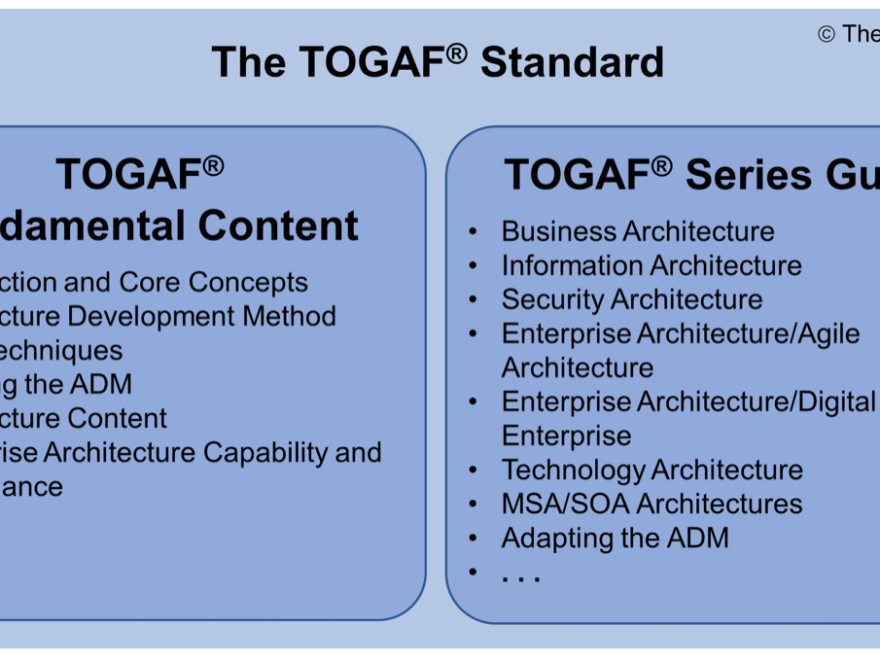
O aguardado TOGAF Standard, 10ª Edição, finalmente chegou, prometendo uma abundância de melhorias e recursos para simplificar a adoção das
Continue reading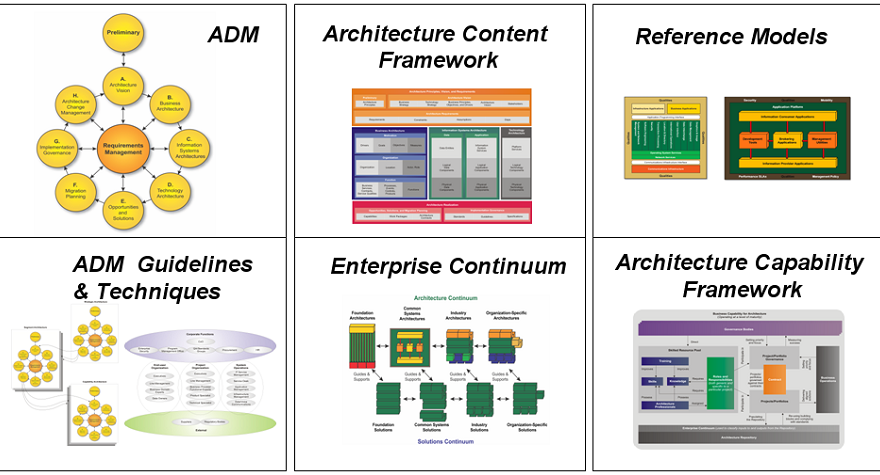
O Framework de Arquitetura do The Open Group, ou TOGAF®, não é apenas um acrônimo cativante; é uma ferramenta dinâmica
Continue readingIntrodução Embarque em uma jornada pelo mundo intricado do Método de Desenvolvimento de Arquitetura (ADM) do TOGAF com nosso guia
Continue reading
O marketing de vídeo é eficaz por várias razões. Primeiramente, os vídeos têm uma taxa de engajamento mais alta em
Continue reading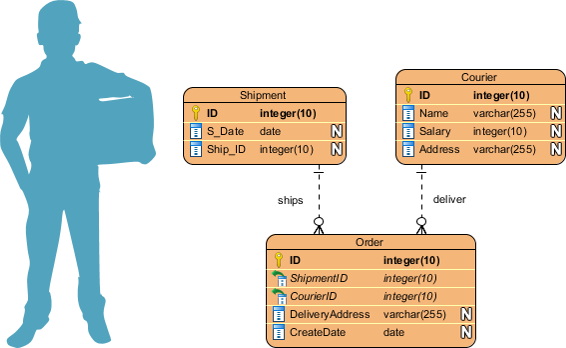
Entity Relationship (ER) diagrams provide a powerful way to visually represent the data requirements of a system and the relationships between different entities. They are particularly useful in database design, where understanding the relationships between various entities is critical to creating an efficient and effective database structure. ER diagrams help to identify the different entities, their attributes, and the relationships that exist between them, providing a comprehensive overview of the data model.
Continue reading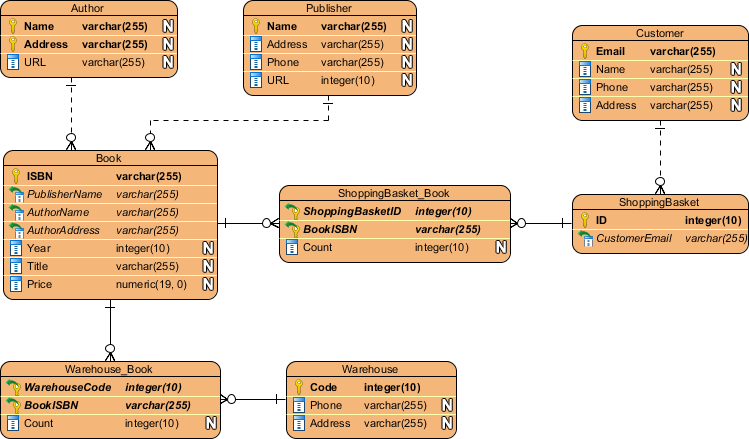
In the realm of data modeling and database design, the entity-relationship diagram (ERD) is an essential tool that plays a vital role. It serves as a visual representation of data, aiding in the description of the relationships between entities and their attributes. By displaying the relationships between entities in a clear and concise manner, ERDs provide an excellent means of modeling intricate systems and identifying how different entities are interconnected.
Continue reading