Your all-in-one suite for visual modeling, enterprise architecture, business analysis, project management, and agile development Introduction Visual Paradigm is a
Continue reading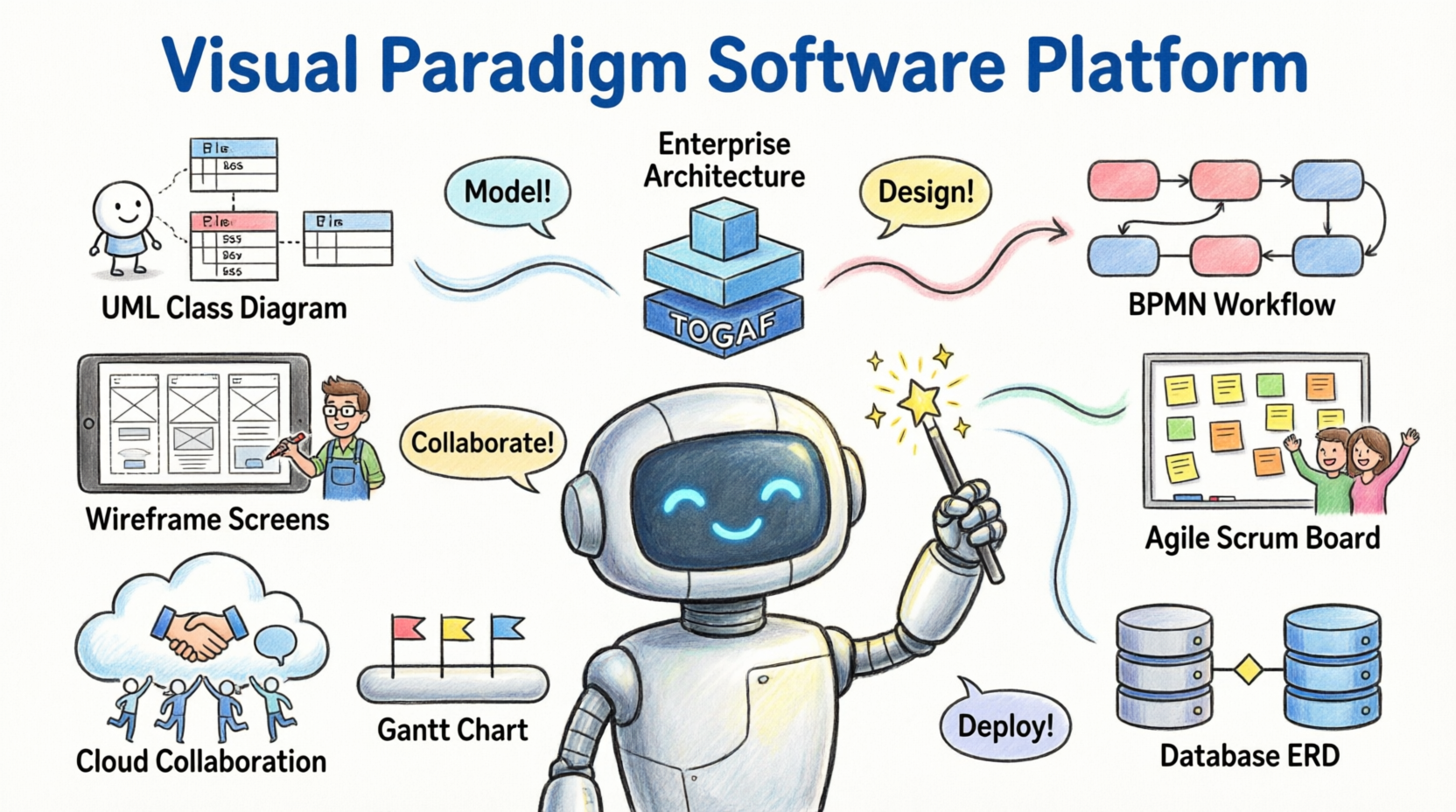
Learning one new thing everyday
Your all-in-one suite for visual modeling, enterprise architecture, business analysis, project management, and agile development Introduction Visual Paradigm is a
Continue readingFrom idea to implementation-ready documentation in minutes — powered by AI 🚀 Welcome to Your Modeling Journey The Use Case Modeling
Continue reading
Authoring Mode • Reading Mode • User Experience & Sharing Purpose: This comprehensive guide explores both sides of the Fliplify
Continue readingWelcome to the ultimate guide for creating a beautiful, interactive, and shareable virtual bookshelf using the powerful Flipbook Editor from
Continue reading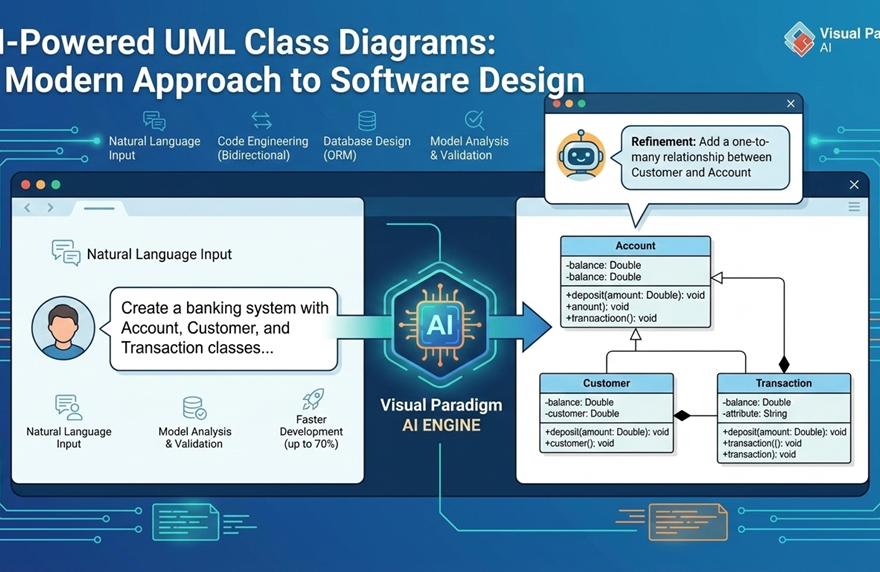
Creating accurate, maintainable software models is essential for successful system development. UML class diagrams, a cornerstone of object-oriented design, provide
Continue reading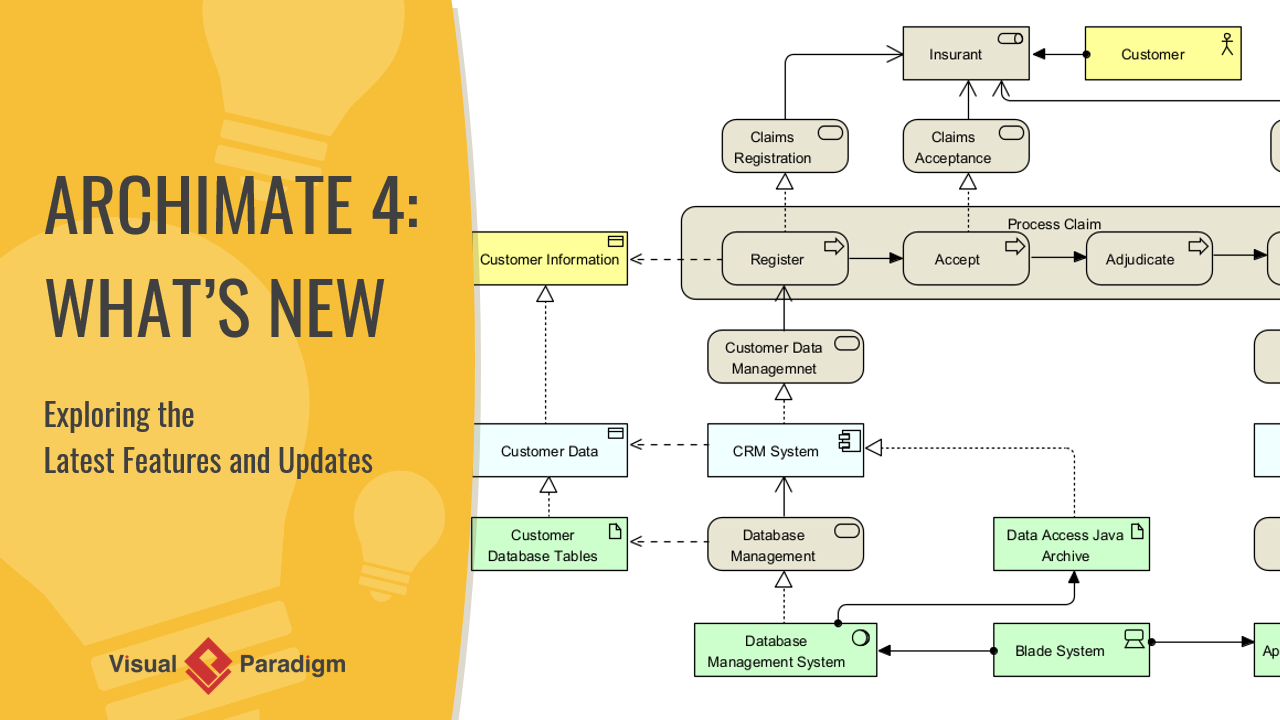
Visual Paradigm 18.0 marks a transformative leap in enterprise architecture (EA) modeling by becoming the first desktop-based modeling tool to offer
Continue readingVisual Paradigm has undergone a transformative evolution, redefining the landscape of software modeling by deeply integrating artificial intelligence (AI) into
Continue reading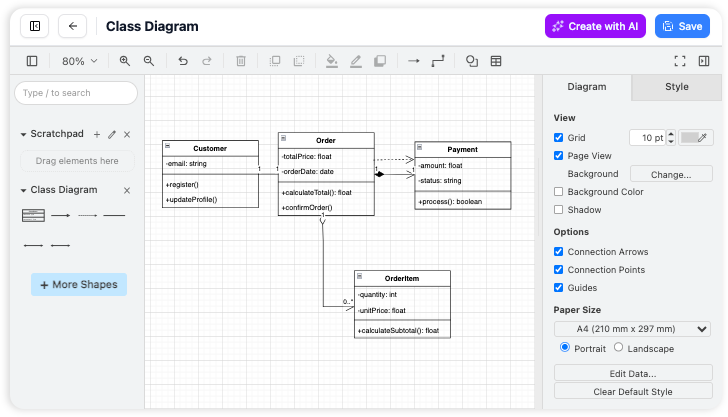
As of February and March 2026, OpenDocs, Visual Paradigm’s flagship AI-driven knowledge management platform, has undergone a transformative evolution. No longer just
Continue readingAs of early 2026, Visual Paradigm has redefined the landscape of software and systems modeling by launching Visual Paradigm 18.0, positioning itself as
Continue reading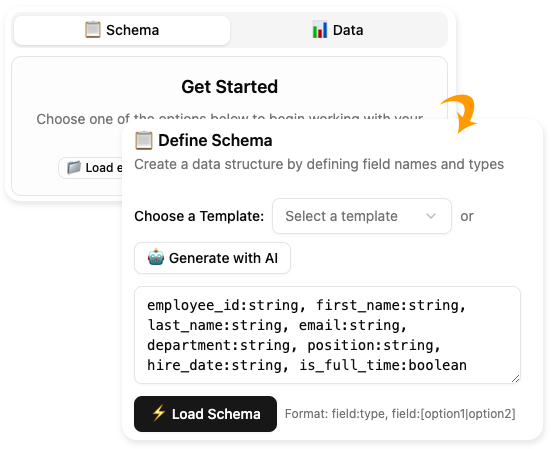
Transform your data workflows with the AI-Powered JSON CRUD Table Maker, a powerful, intelligent tool integrated into the Visual Paradigm ecosystem.
Continue reading