Flowchart tutorial for Students

सुपर सिंपल फ्लोचार्ट गाइड

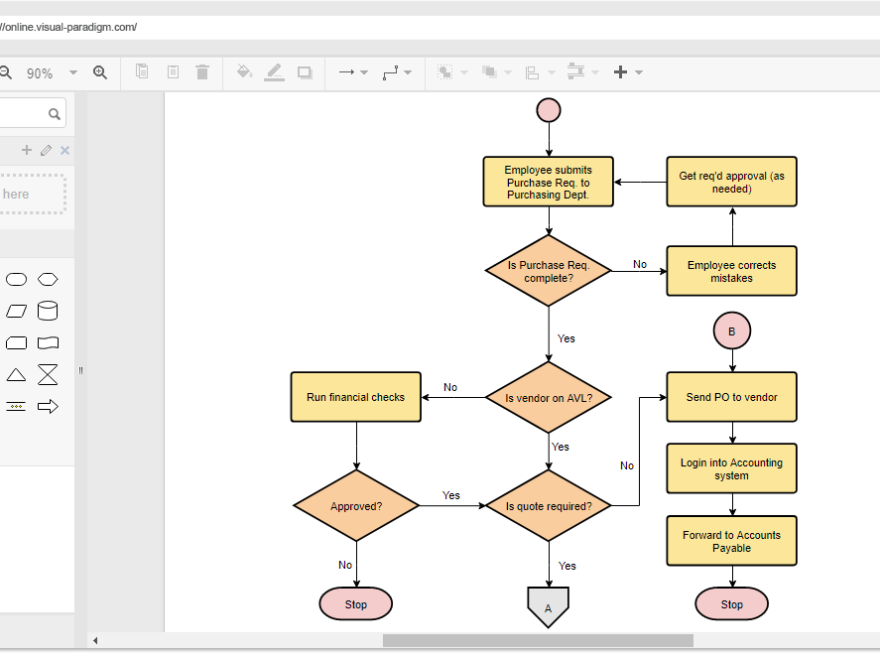
A flowchart is a graphical representation of the operations involved in a data processing system. operations in the system. Often, the best way to understand a problem is to draw a diagram. Diagrams usually give us a more complete picture of a situation than a short set of words or phrases. However, the combination of visual symbols )(shapes) and text provides a very powerful tool for communication and problem solving. Algorithms can be developed more quickly when a flowchart is created to represent them. Flowcharts are much easier to understand than algorithms.

Continue reading
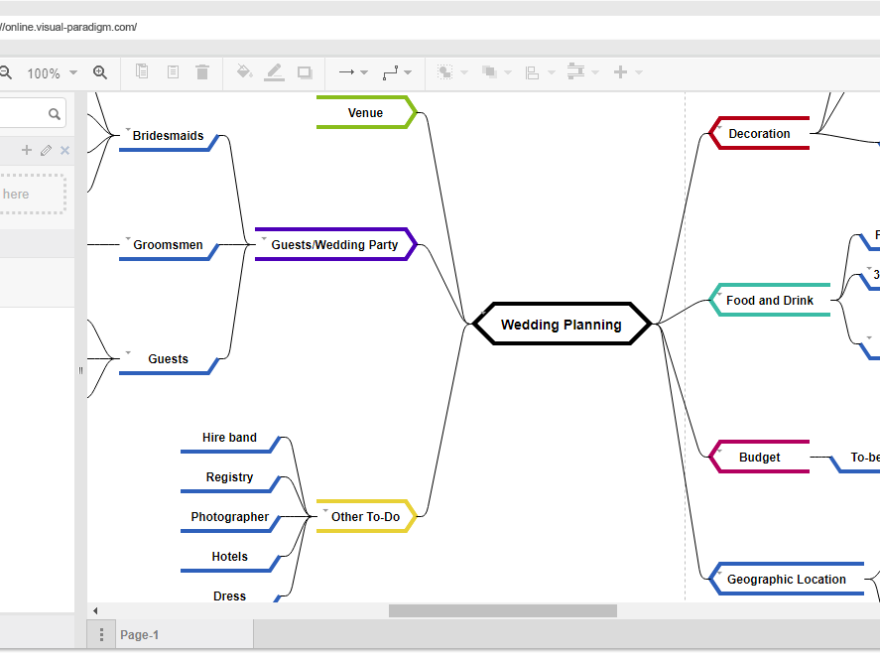
Mind Map — A Practical Tutorial with 30+ Examples

माइंड मैप — 30+ उदाहरणों के साथ एक व्यावहारिक ट्यूटोरियल

Mind mapping is an effective means to take notes and brainstorm essay topics. A mind map involves writing down a central theme and thinking of new and related ideas which radiate out from the center. By focusing on key ideas written down in your own words and looking for connections between them, you can map knowledge in a way that will help you to better understand and retain information.

Continue reading
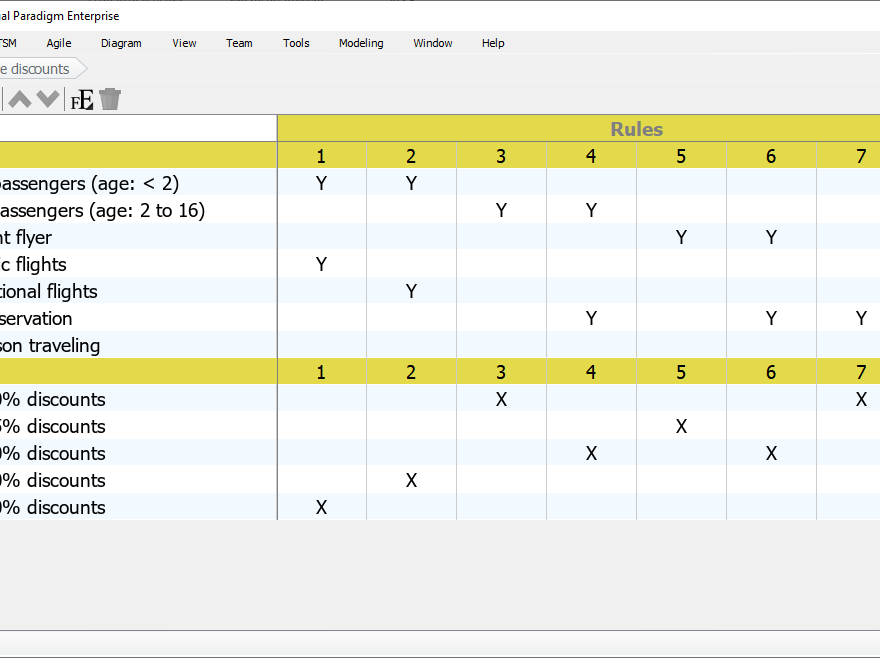
Decision Table: Clearer Logic and Better Decision

निर्णय तालिका: स्पष्ट तर्क और बेहतर निर्णय

A decision table is an excellent tool to use in both testing and requirements management. Essentially it is a structured exercise to formulate requirements when dealing with complex business rules. In a decision table, business logic is well divided into conditions, actions (decisions) and rules for representing the various components that form the business logic.

Continue reading
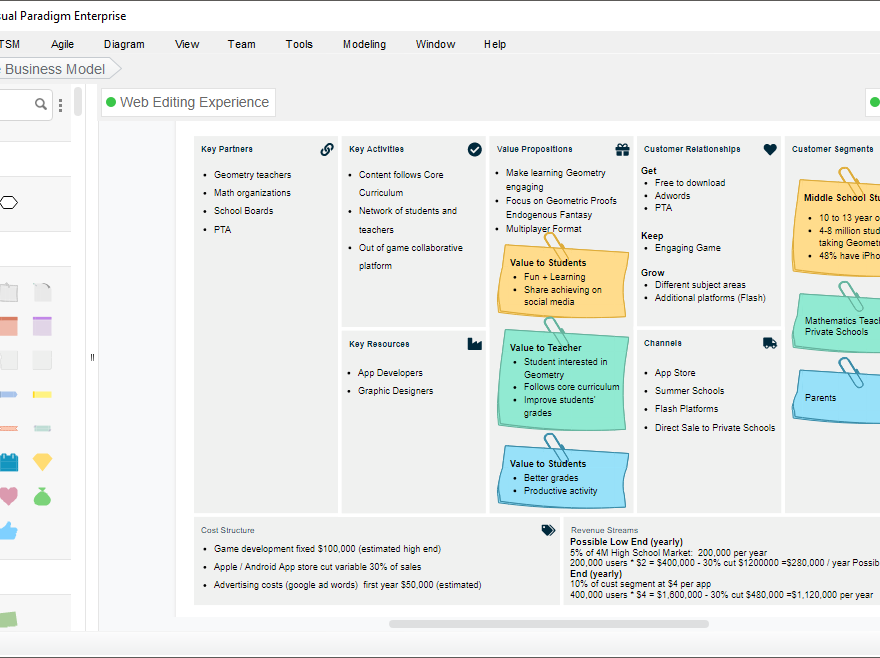
Business Model Canvas — Learn By Examples with Free Online Software

व्यवसाय मॉडल कैनवास — मुफ्त ऑनलाइन सॉफ्टवेयर के साथ उदाहरणों के माध्यम से सीखें

Business Model Canvas is a strategic and business management template for developing new or documenting existing business models. It is a visual chart with elements describing a firm’s or product’s value proposition, infrastructure, customers, and finances.

Continue reading
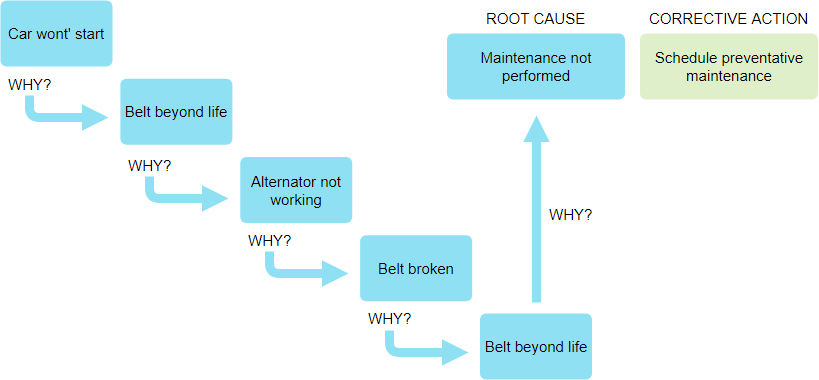
A Comprehensive Guide to 5 Why Analysis

5 व्हाई एनालिसिस के लिए एक व्यापक गाइड

The 5 Whys is a simple tool used to help you understand what’s causing a problem by using an iterative interrogative technique to explore the root cause underlying a particular problem. As the name suggested, 5 Whys takes five iterations of asking “Why” to drill down from one symptom to another until you reached the root cause (Sometimes asking “Why?” five times is too many, and sometimes you need to ask it more than five times).

Continue reading
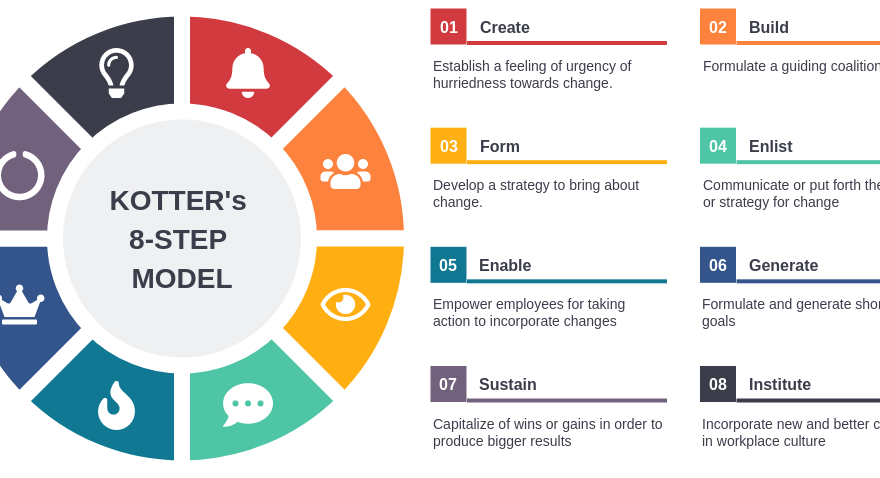
A Comprehensive Guide to Kotter’s 8 Step Model of Change

कोटर के बदलाव के 8 चरण मॉडल का व्यापक गाइड

Kotter suggests that for change to be successful, 75% of the practice team needs to “buy into” the change. In other words, you have to really work hard on Step One, and spend significant time and energy building urgency, before moving onto the next steps. Don’t panic and jump in too fast because you don’t want to risk further short-term losses — if you act without proper preparation, you could be in for a very bumpy ride.

Continue reading
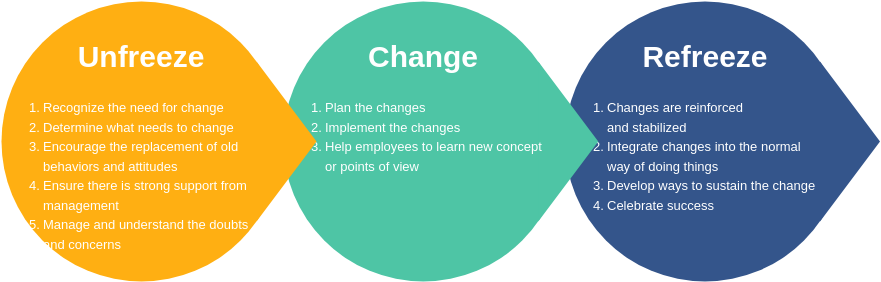
A Comprehensive Guide to Lewin’s Change Model

लेविन के बदलाव मॉडल का व्यापक मार्गदर्शिका

Organizational Change is a common thread that runs through all businesses regardless of size, industry and age. It is about the process of changing an organization’s strategies, processes, procedures, technologies, and culture, as well as the effect of such changes on the organization. Kurt Lewin developed a change model involving three steps: unfreezing, changing and refreezing.

Continue reading
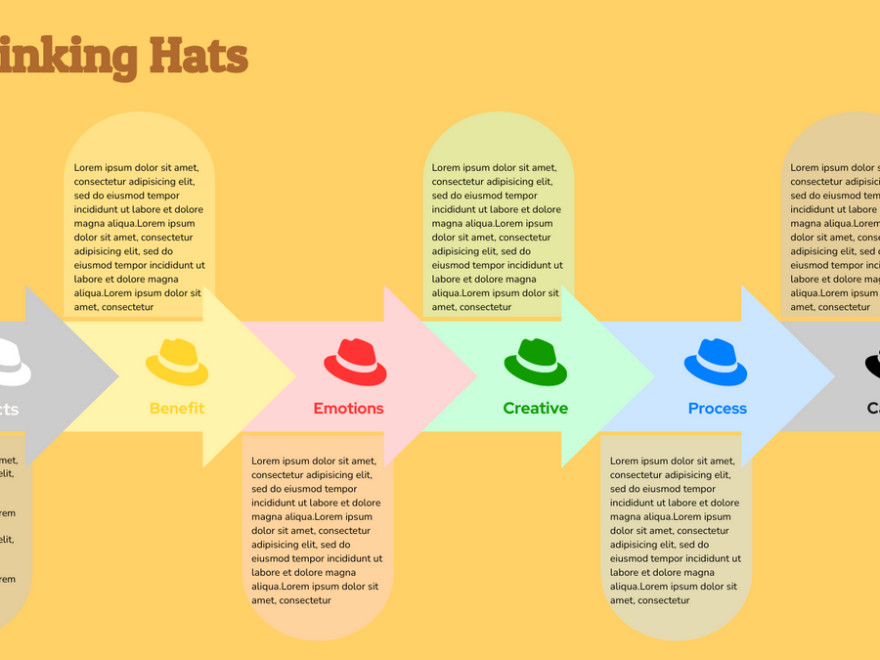
Six Thinking Hats Tutorial

छह सोचने की टोपी पाठ्यक्रम

The six thinking hats technique, proposed Edward de Bono in 1999, encourages a group to approach the issue at hand from a number of different perspectives. This forces the team to move outside their habitual thinking style, and helps them to get a more rounded view of a situation. It is an important and powerful technique to debate an issue, solve a problem or to arrive at an important decision.

Continue reading
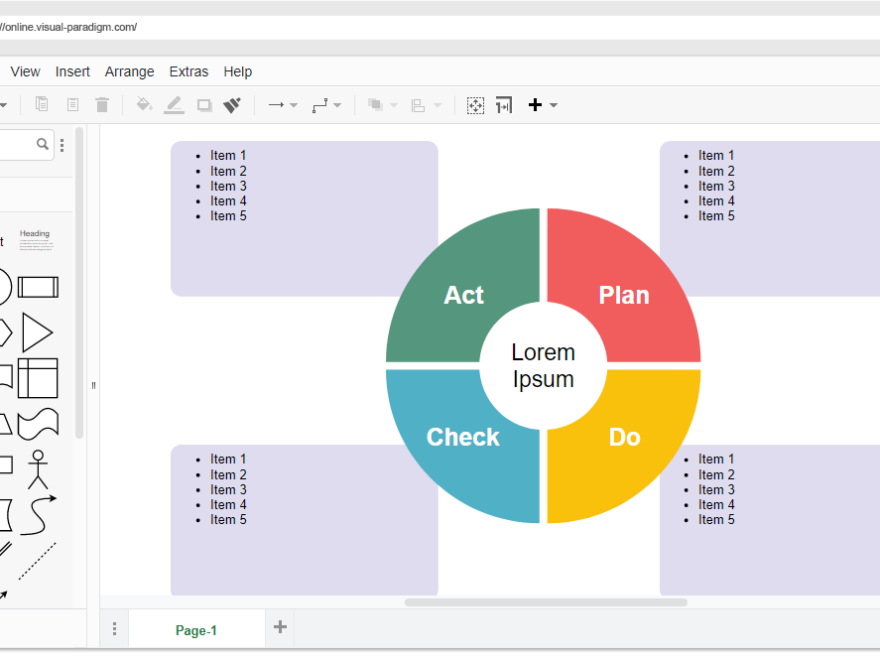
A Comprehensive Guide for PDCA

PDCA के लिए एक व्यापक गाइड

PDCA is considered one of the most popular frameworks for continuous improvement of business processes. PDCA (plan do check action), also known as Deming cycle, is the simplest framework for process improvement. Basically, it’s a series of feedback cycles of continuous improvement — you decide how it works, figure out how to improve it, eventually make changes, and keep repeating the cycle. I believe PDCA is the simplest and most effective way to help you improve your workflow.

Continue reading