All You Need to Know About Use Case Modeling

उपयोग केस मॉडलिंग के बारे में आपको जो भी जानना चाहिए

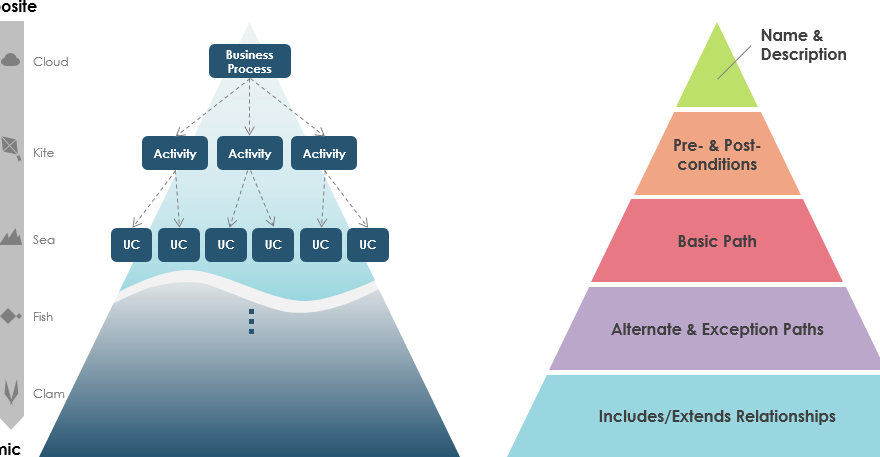
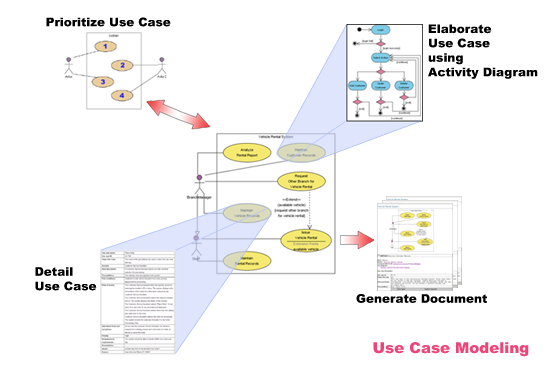
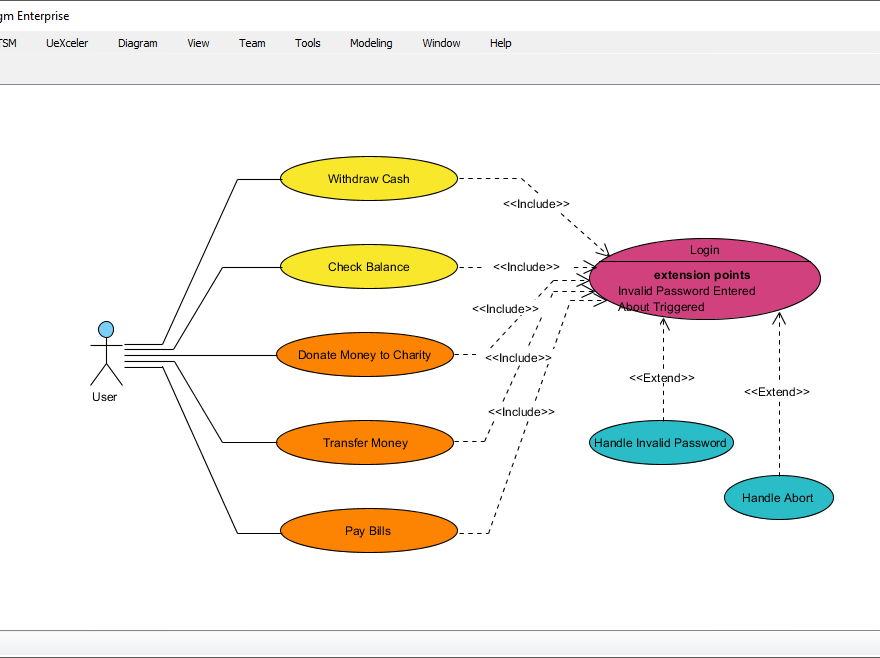
Use cases describe how users use the system to achieve specific goals. A use-case diagram consists of a system, related use cases, and actors, and relates them to each other to visualize: What is it describing? (System), who is using the system? What are the actors trying to achieve? Thus, use cases help ensure that the right system is developed by capturing requirements from the user’s point of view.

Continue reading
Data Flow Diagram Comprehensive Guide with Examples

डेटा फ्लो डायग्राम संपूर्ण गाइड उदाहरणों के साथ

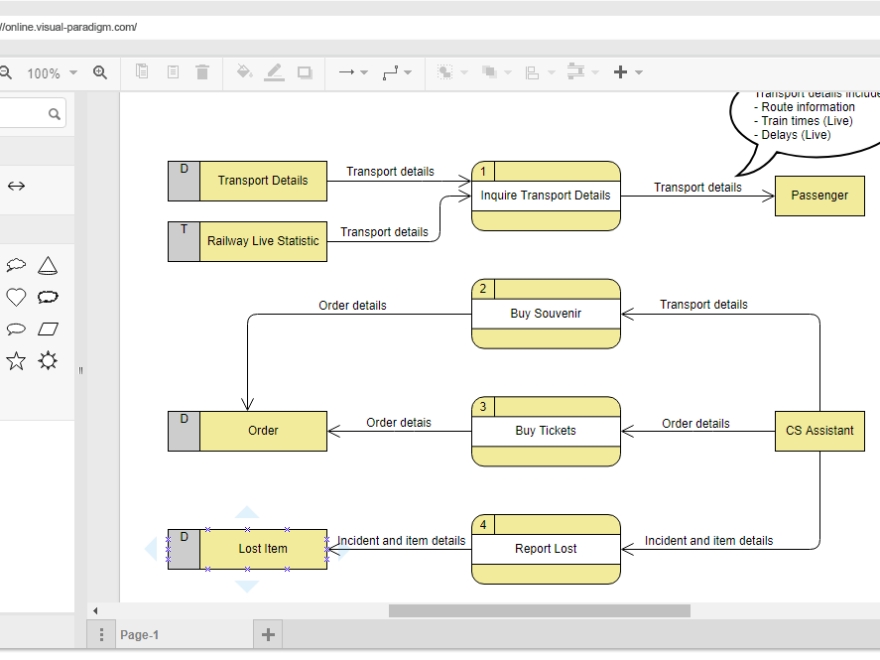
Data Flow diagrams (DFDS) describe logical models and data transformations in the system. It includes a mechanism for modeling data flows and supports decomposition to illustrate the details of data flows and functionality. A data flow chart cannot display information about the order of operations. Therefore, it is not a process or process modeling approach.

Continue reading
Mind Map — A Practical Tutorial with 30+ Examples

माइंड मैप — 30+ उदाहरणों के साथ एक व्यावहारिक ट्यूटोरियल

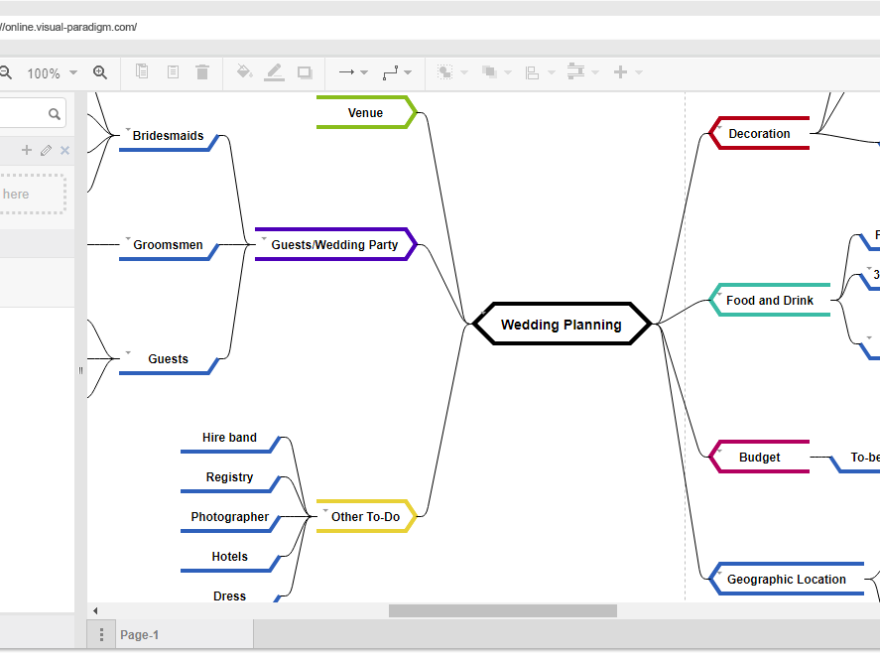
Mind mapping is an effective means to take notes and brainstorm essay topics. A mind map involves writing down a central theme and thinking of new and related ideas which radiate out from the center. By focusing on key ideas written down in your own words and looking for connections between them, you can map knowledge in a way that will help you to better understand and retain information.

Continue reading
उपयोग केस और गतिविधि आरेख के साथ यूएमएल क्या से कैसे

उपयोग केस और गतिविधि आरेख के साथ यूएमएल क्या से कैसे

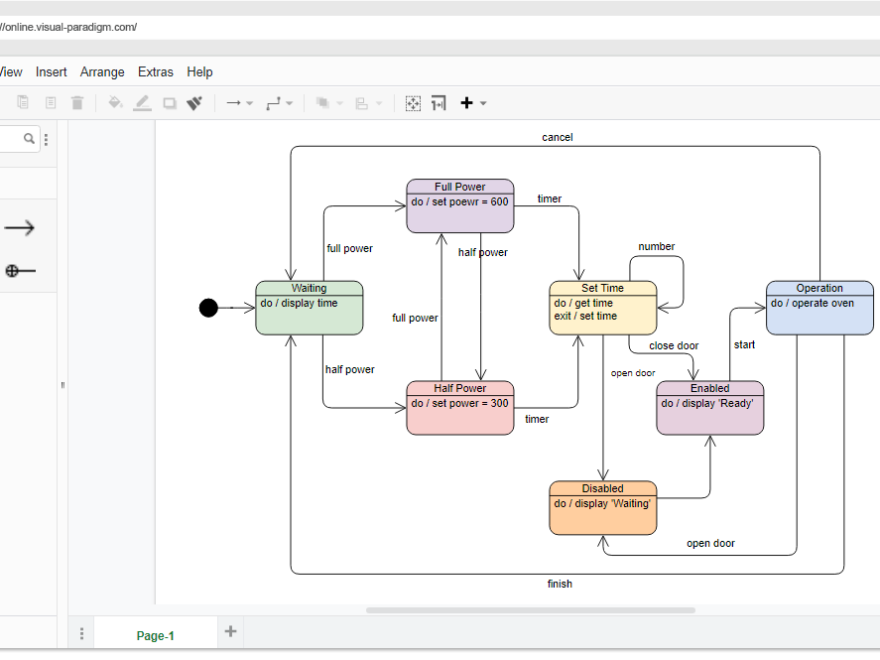
Use case diagrams and activity diagrams are behavioral UML diagrams that describe the dynamic characteristics of a system. The difference between use case diagrams and activity diagrams is that use case diagrams help to model the system, user interactions, while activity diagrams help to model the workflow of the system and are often used to illustrate the internal logic of use cases. These diagrams offer multiple advantages. They help model business requirements and understand the functionality of the system at a high level.

Continue reading
Why Visual Paradigm is a better choice than Microsoft Visio

विजुअल पैराडाइम एमएस विसियो की तुलना में बेहतर विकल्प क्यों है

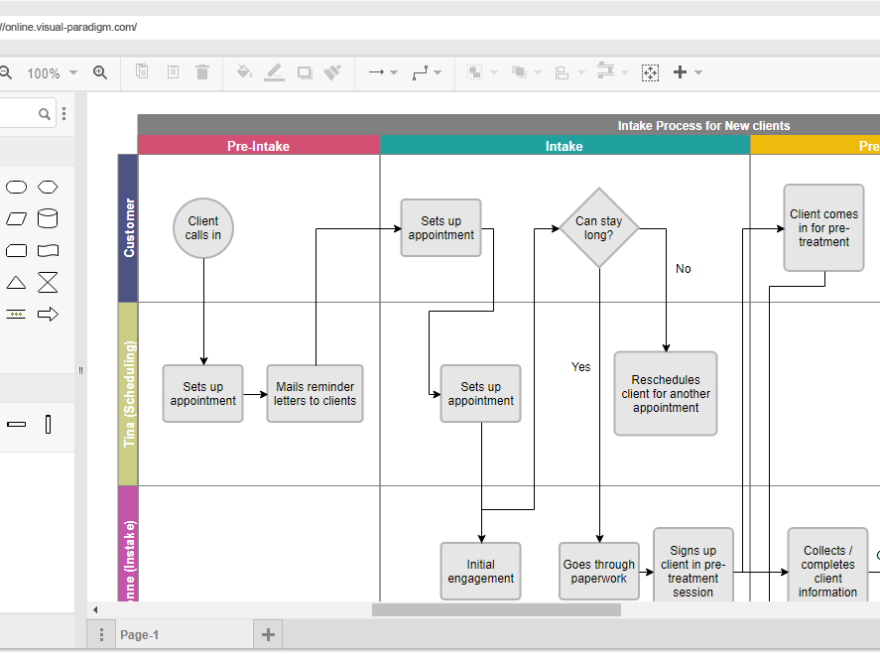
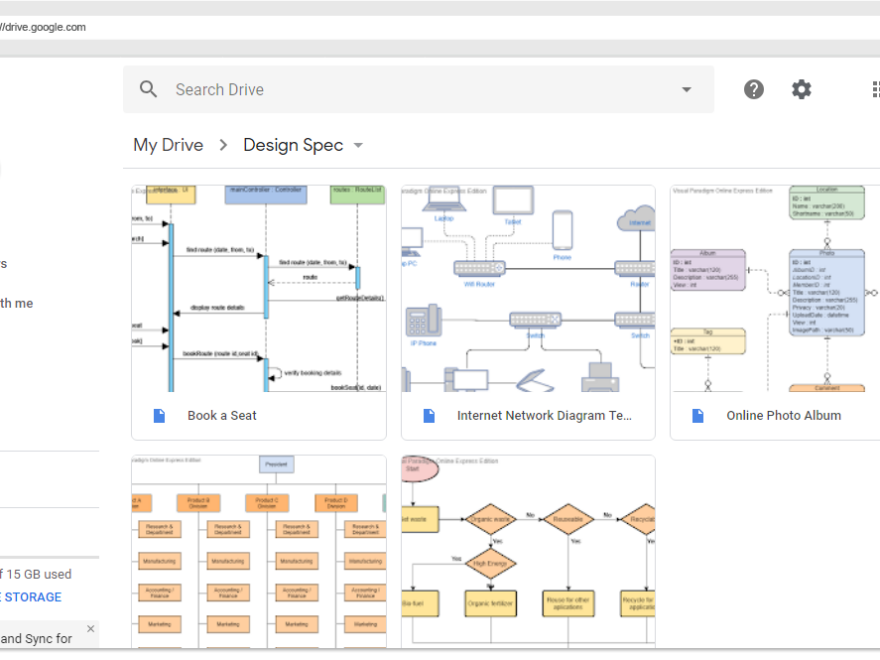
If you’ve ever tried to create MS’s Visio Flowchart®, you know how hard it is. You can start with a few basic tools, if you need to change anything — move shapes, delete shapes or add new shapes — it’s too hard! You know what I mean. Visual Paradigm Online automates all your complex tasks with just a few clicks.

Continue reading
Free Online ArchiMate Tool + Examples

मुफ्त ऑनलाइन ArchiMate टूल + उदाहरण

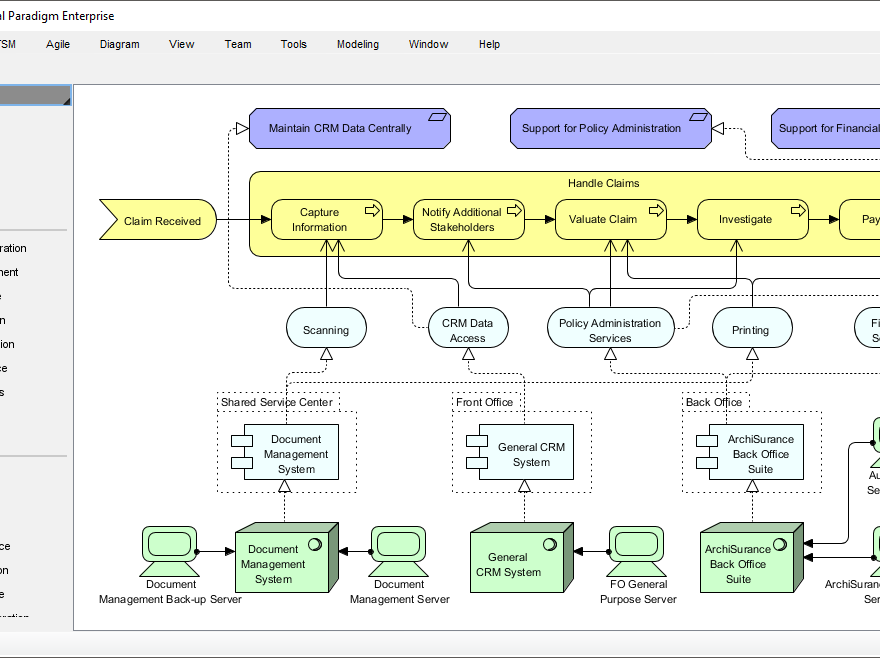
The Open Group created ArchiMate as an open and independent modelling language for enterprise architecture (EA). The standard provides a notation to enable enterprise architects to describe, analyze, and visualize the relationships among business domains in an unambiguous way. ArchiMate enables the creation of fully integrated models of the organization’s EA, the motivation for it, and the programs, projects and migration paths to implement it.

Continue reading