A Comprehensive Guide to 14 Types of UML Diagram

14 प्रकार के UML आरेख के लिए एक व्यापक मार्गदर्शिका

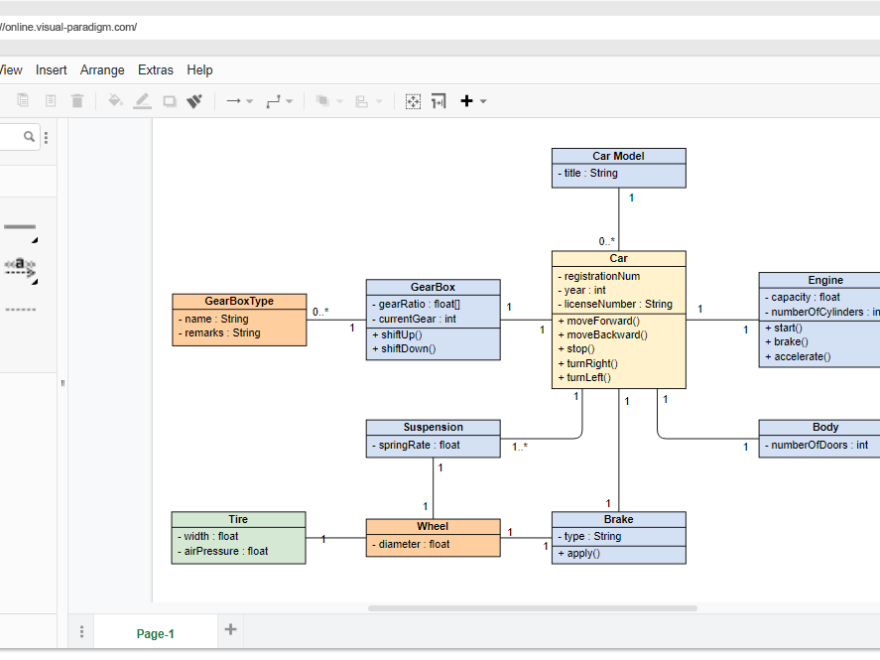
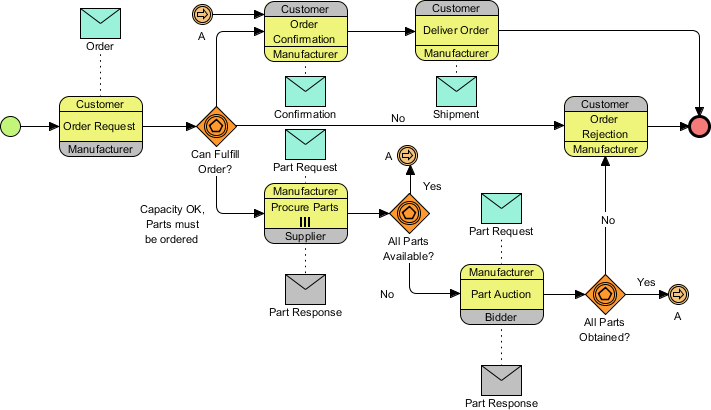
The Unified Modeling Language is a standardized general-purpose modeling language and nowadays is managed as a de facto industry standard by the Object Management Group (OMG). UML includes a set of graphic notation techniques to create visual models for software-intensive systems. In UML 2.2 there are 14 types of UML diagrams, which are divided into two categories

Continue reading
A Comprehensive Tutorial on SSADM

एसएसएडीएम पर एक व्यापक ट्यूटोरियल

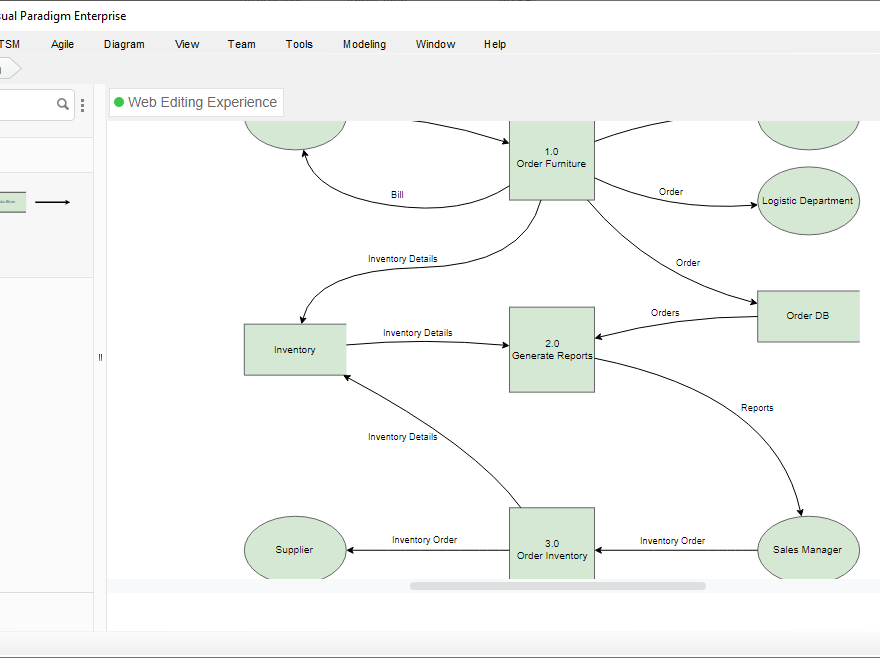
Structured Systems Analysis and Design Method (SSADM) structural systems analysis and design methods, standards set in the early 1980s development, is widely used in the design and application of the calculation. It uses a combination of text and diagrams for system design throughout the life cycle, from the initial design concept to the application of actual physical design.

Continue reading
Enterprise Integration Patterns (EIP) Tutorial

एंटरप्राइज इंटीग्रेशन पैटर्न (EIP) ट्यूटोरियल

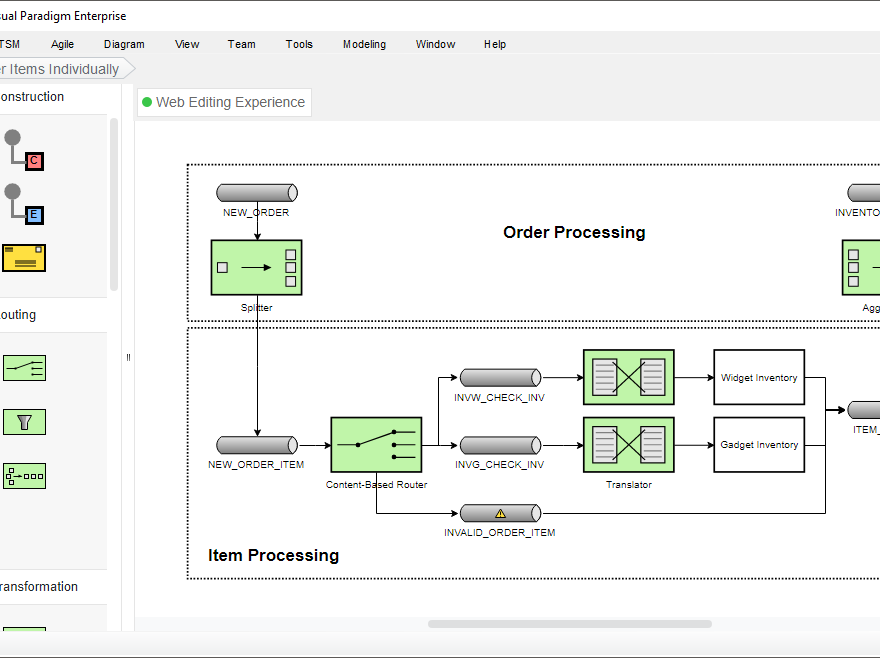
Enterprise Integration Patterns (EIP)is a book by Gregor Hohpe and Bobby Woolf and describes 65 patterns for the use of enterprise application integration and message-oriented middle-ware in the form of a pattern language. They help us use standardized ways to integrate applications, no need to reinventing the wheel each time you have a problem.

Continue reading
Strategic Planning to Actionable Items: From SWOT to TOWS Analysis

रणनीतिक योजना से कार्यान्वयन योग्य बिंदुओं तक: SWOT से TOWS विश्लेषण

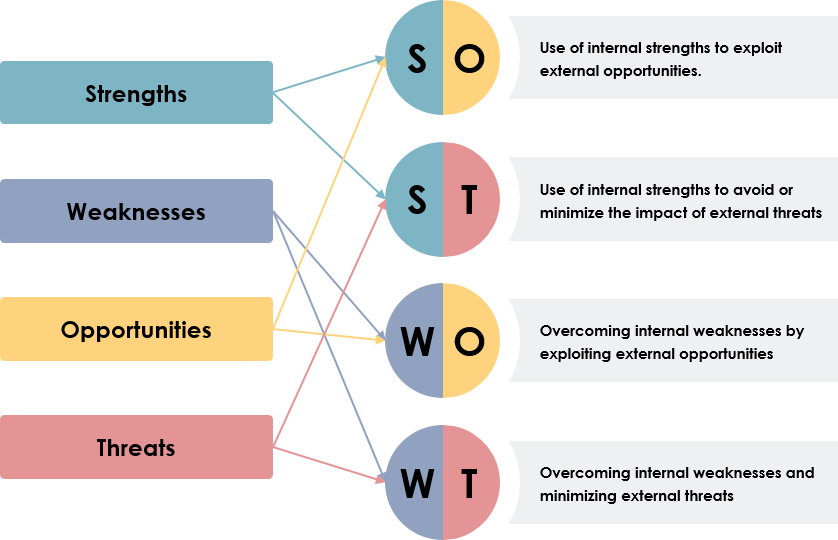
SWOT matrix is a planning tool, whereas TOWS matrix is an action tool. In SWOT analysis you identify all the Strengths, Weaknesses, Opportunities, and Threats in point form. After that you think of each point as a singular perspective. Whereas, TOWS matrix identifies the relationships between these factors and selecting strategies on their bases. Strengths and weaknesses are abstract concepts that can be hard to think about without any sort of context.

Continue reading
Venn Diagram: A Comprehensive Tutorial

वेन आरेख: एक व्यापक ट्यूटोरियल

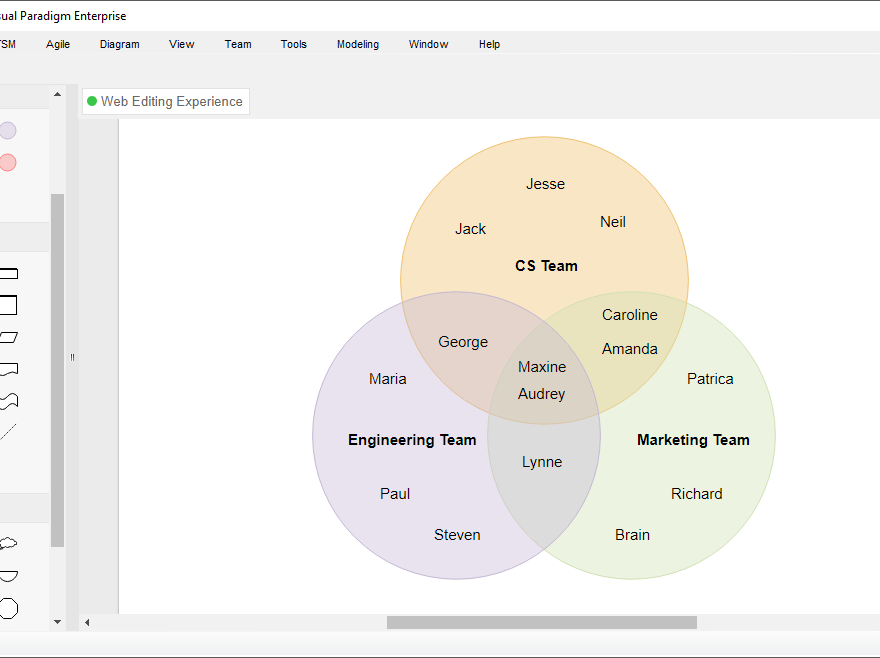
Venn diagrams are graphical or pictorial representations of relationships between different groups of things. Venn Diagram was invented by John Venn around 1880. Venn diagrams are also called set diagrams. Venn diagrams give a logical representation of the groups or sets. Relationships between two or three sets can be easily understood with the help of Venn diagrams. In mathematics, Venn diagrams are used to analyze known information obtained from surveys, data reports, and tables.

Continue reading
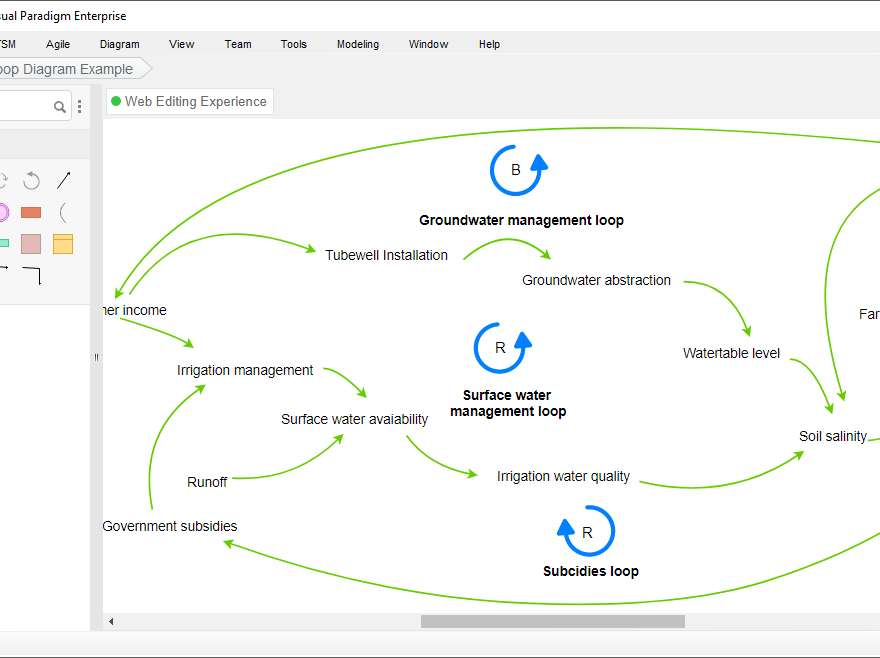
System Thinking with Casual Loop Diagram – Learn by Examples

कारण सहित लूप आरेख के साथ सिस्टम सोच – उदाहरणों के माध्यम से सीखें

Causal loops diagrams (also known as system thinking diagrams) are used to display the behavior of cause and effect from a system’s standpoint. A causal loop diagram (CLD) is a causal diagram that aids in visualizing how different variables in a system are interrelated.

Continue reading
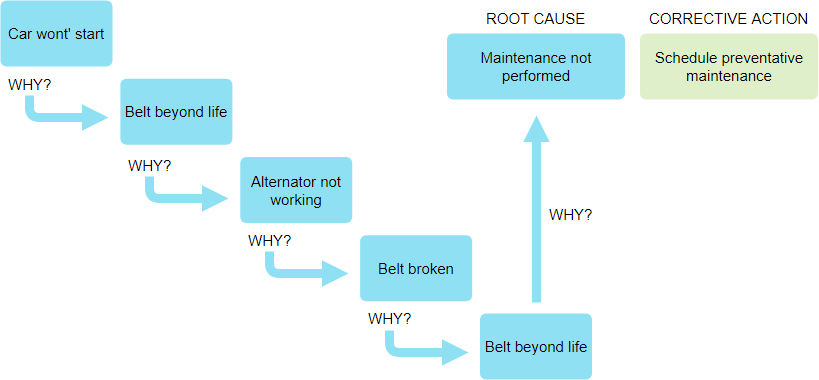
A Comprehensive Guide to 5 Why Analysis

5 व्हाई एनालिसिस के लिए एक व्यापक गाइड

The 5 Whys is a simple tool used to help you understand what’s causing a problem by using an iterative interrogative technique to explore the root cause underlying a particular problem. As the name suggested, 5 Whys takes five iterations of asking “Why” to drill down from one symptom to another until you reached the root cause (Sometimes asking “Why?” five times is too many, and sometimes you need to ask it more than five times).

Continue reading
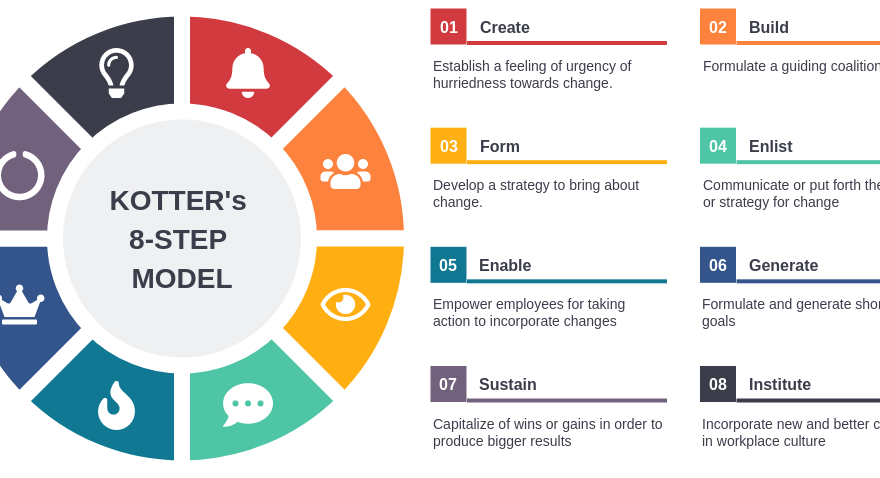
A Comprehensive Guide to Kotter’s 8 Step Model of Change

कोटर के बदलाव के 8 चरण मॉडल का व्यापक गाइड

Kotter suggests that for change to be successful, 75% of the practice team needs to “buy into” the change. In other words, you have to really work hard on Step One, and spend significant time and energy building urgency, before moving onto the next steps. Don’t panic and jump in too fast because you don’t want to risk further short-term losses — if you act without proper preparation, you could be in for a very bumpy ride.

Continue reading
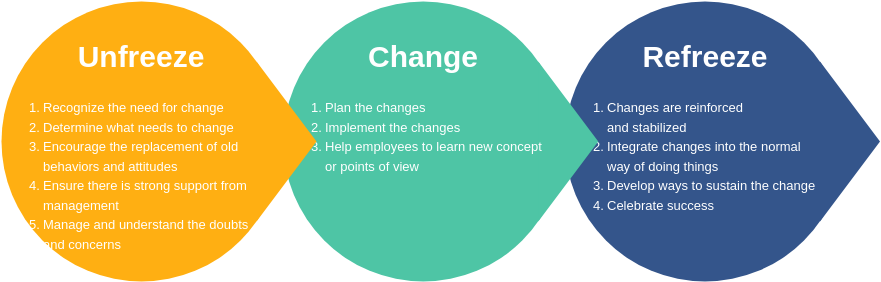
A Comprehensive Guide to Lewin’s Change Model

लेविन के बदलाव मॉडल का व्यापक मार्गदर्शिका

Organizational Change is a common thread that runs through all businesses regardless of size, industry and age. It is about the process of changing an organization’s strategies, processes, procedures, technologies, and culture, as well as the effect of such changes on the organization. Kurt Lewin developed a change model involving three steps: unfreezing, changing and refreezing.

Continue reading