Philosophy of Agile Development

एजिल डेवलपमेंट का दर्शन

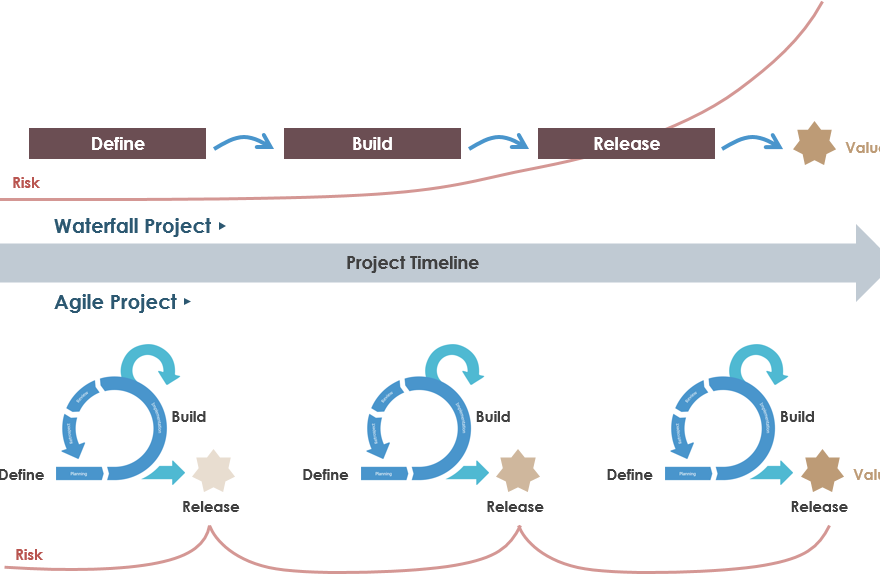
Agile development is a human-centric, iterative, and gradual development method. In agile development, the construction of a software project is divided into multiple sub-projects, and the results of each sub-project have been tested and have the characteristics of integration and operation. In other words, a large project is divided into multiple small projects that are interrelated but can also be run independently, and completed separately. During this process, the software is always in a usable state.

Continue reading

SCRUM क्या है?

SCRUM क्या है?

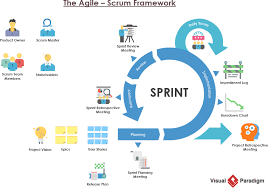
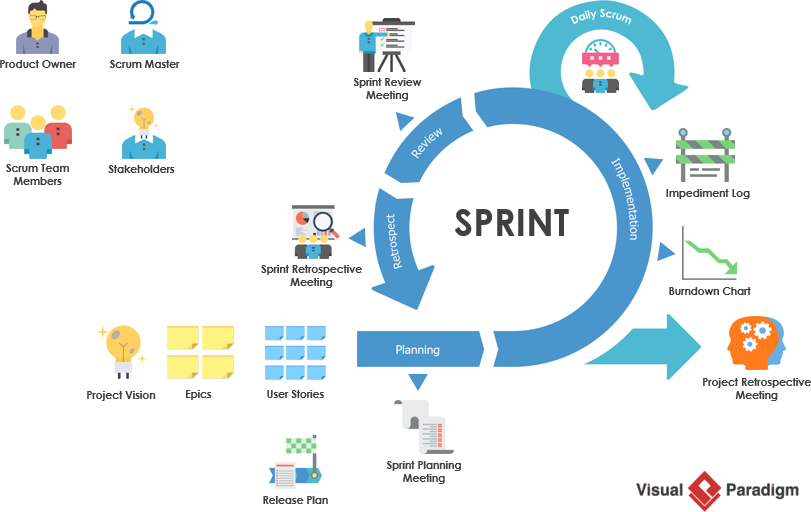
Scrum originated in software development projects, but it is suitable for any complex or innovative projects. Scrum has been used to develop software, hardware, embedded software, interactive function networks, autonomous driving, schools, governments, markets, management organizations and operations, and almost everything we (as individuals and groups) use in daily life.

Continue reading
What is Data Flow Diagram, why it is still useful for software development?

डेटा फ्लो डायग्राम क्या है, और यह सॉफ्टवेयर विकास के लिए अभी भी क्यों उपयोगी है?

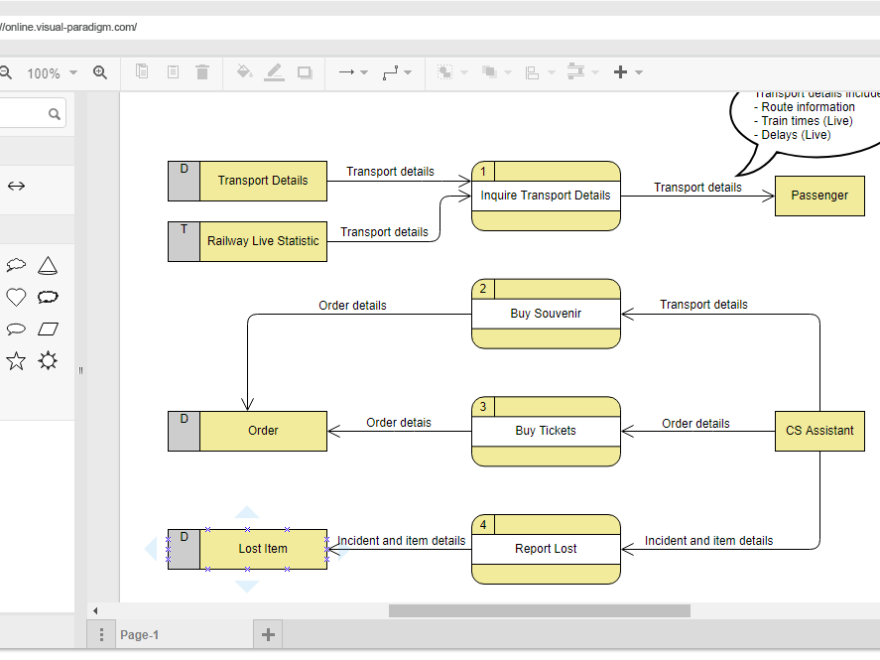
Although data flow oriented modeling is considered as an outdated technology by some software engineers, it is still one of the most widely used requirements analysis symbols. Although data flow diagrams (DFDs) are not formal parts of UML, they can be used to supplement UML diagrams and provide additional insight into system requirements and processes.

Continue reading
How to Manage Product Backlog with DEEP Principles?

DEEP सिद्धांतों के साथ उत्पाद पीछे की सूची का प्रबंधन कैसे करें?

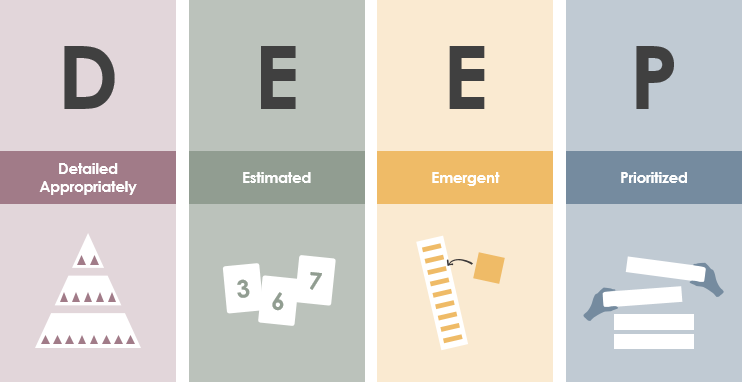
The product backlog lists all the features, functions, requirements, enhancements, and fixes required for the product releases. Product backlog projects have the attributes of description (appropriately Detailed), story points (Estimates), and orders (Prioritized). They must be continuously added, deleted, and updated (Emergent) in the backlog, and reflect the understanding of the team backlog in a timely and appropriate manner .

Continue reading
A simple guide to use case analysis

उपयोग केस विश्लेषण के लिए एक सरल गाइड

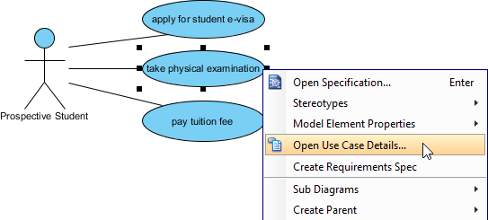
Use case modeling is a technique for capturing, modeling, and specifying system requirements that correspond to a set of behaviors that the system may perform when interacting with actors. These behaviors produce observable results and help achieve their goals. Use cases are named for the specific user goals of the principal actors, which in turn describe or explain the general order of activities and events, as well as variations in special conditions, exceptions, or error conditions, through textual description.

Continue reading