


परिचय
यह केस स्टडी ग्लोबलटेक सॉल्यूशंस, एक बहुराष्ट्रीय तकनीक कंपनी में टीओजीएफ (द ओपन ग्रुप आर्किटेक्चर फ्रेमवर्क) फ्रेमवर्क के भीतर आर्किटेक्चर कॉन्टीन्यूम के अनुप्रयोग का अध्ययन करती है। प्रोजेक्ट का उद्देश्य ग्लोबलटेक के आईटी इंफ्रास्ट्रक्चर को सरल बनाना, संचालन दक्षता में सुधार करना और आईटी क्षमताओं को व्यापार लक्ष्यों के साथ समायोजित करना था। आर्किटेक्चर कॉन्टीन्यूम ने एंटरप्राइज आर्किटेक्चर के विकास और कार्यान्वयन के निर्देशन में महत्वपूर्ण भूमिका निभाई।
पृष्ठभूमि
ग्लोबलटेक सॉल्यूशंस को कई चुनौतियों का सामना करना पड़ा, जिसमें फ्रैगमेंटेड आईटी लैंडस्केप, अतिरिक्त प्रणालियाँ और असंगत आईटी पहलें शामिल थीं। कंपनी ने इन समस्याओं का समाधान करने के लिए एक व्यापक ईए प्रोजेक्ट के माध्यम से एक समन्वित, कुशल और स्केलेबल आईटी आर्किटेक्चर बनाने का लक्ष्य रखा। प्रोजेक्ट टीम ने टीओजीएफ फ्रेमवर्क को अपनाया और आर्किटेक्चर कॉन्टीन्यूम का उपयोग करके आर्किटेक्चरल संपत्तियों को प्रभावी ढंग से वर्गीकृत और प्रबंधित किया।
प्रोजेक्ट लक्ष्य
- आईटी इंफ्रास्ट्रक्चर को सरल बनाएं: जटिलता को कम करें और अतिरिक्त प्रणालियों को हटाएं।
- संचालन दक्षता में सुधार करें: आईटी सेवा वितरण में सुधार करें और व्यापार प्रक्रियाओं का समर्थन करें।
- आईटी को व्यापार लक्ष्यों के साथ समायोजित करें: सुनिश्चित करें कि आईटी पहलें व्यापार लक्ष्यों का समर्थन करें और उन्हें आगे बढ़ाएं।
- एक स्केलेबल आर्किटेक्चर स्थापित करें: भविष्य के विकास का समर्थन करने के लिए एक लचीला और अनुकूलनीय आईटी पर्यावरण बनाएं।
आर्किटेक्चर कॉन्टीन्यूम के अनुप्रयोग करना
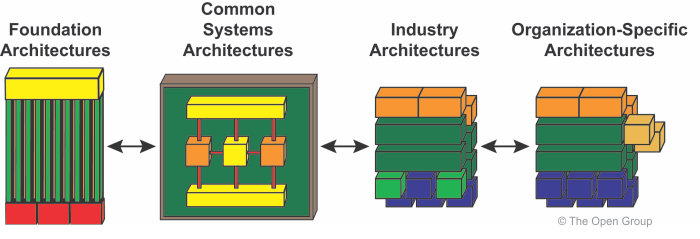
1. फाउंडेशन आर्किटेक्चर
लक्ष्य: मूल रणनीतियों, संदर्भ मॉडलों और मूल निर्माण ब्लॉक्स को परिभाषित करके एंटरप्राइज आर्किटेक्चर के लिए एक मजबूत आधार स्थापित करें।
गतिविधियाँ:
- संदर्भ मॉडल: व्यापार, डेटा, एप्लिकेशन और तकनीकी आर्किटेक्चर के लिए संदर्भ मॉडल विकसित किए।
- मूल रणनीतियाँ: व्यापार लक्ष्यों के साथ समायोजित आईटी रणनीतियों को परिभाषित किया, जिसमें क्लाउड अपनाना, डेटा गवर्नेंस और साइबर सुरक्षा शामिल थी।
- मूल निर्माण ब्लॉक: पुनर्उपयोगी आर्किटेक्चर संपत्तियों की पहचान की, जैसे मानकीकृत डेटा मॉडल, एप्लिकेशन इंटरफेस और तकनीकी घटक।
परिणाम:
- एंटरप्राइज आर्किटेक्चर के लिए एक नीलाम आधार बनाने वाले व्यापक संदर्भ मॉडल और मूल रणनीतियों का सेट।
- पुनर्उपयोगी निर्माण ब्लॉक्स की एक पुस्तकालय जिसे विभिन्न प्रोजेक्टों और पहलों में उपयोग किया जा सकता है।
2. सामान्य सिस्टम वार्डाइटेक्चर
उद्देश्य: कई व्यापार इकाइयों और कार्यों के लिए लागू किए जा सकने वाले सामान्य सिस्टम वार्डाइटेक्चर विकसित करें।
गतिविधियाँ:
- सिस्टम एकीकरण: अलग-अलग सिस्टम और एप्लिकेशन को जोड़ने के लिए एकीकरण फ्रेमवर्क डिज़ाइन किए।
- मानकीकरण: डेटा प्रारूपों, संचार प्रोटोकॉल और एप्लिकेशन इंटरफेस के लिए मानक स्थापित किए।
- मॉड्यूलरता: मॉड्यूलर वार्डाइटेक्चर बनाए जो विशिष्ट व्यापार आवश्यकताओं को पूरा करने के लिए आसानी से अनुकूलित और विस्तारित किए जा सकते थे।
परिणाम:
- एकीकृत सिस्टम जो डेटा सिलो को कम करने और सूचना प्रवाह को सुधारने में मदद करते थे।
- मानकीकृत वार्डाइटेक्चर जो संगठन के पूरे भाग में स्थिरता और अंतरोपण को सुनिश्चित करते थे।
- मॉड्यूलर डिज़ाइन जो लचीलेपन और स्केलेबिलिटी का समर्थन करते थे।
3. उद्योग वार्डाइटेक्चर
उद्देश्य: ग्लोबलटेक के व्यापार क्षेत्रों की विशिष्ट आवश्यकताओं को पूरा करने के लिए उद्योग-विशिष्ट वार्डाइटेक्चर को अनुकूलित करें।
गतिविधियाँ:
- उद्योग मानक: तकनीक, डेटा और एप्लिकेशन वार्डाइटेक्चर के लिए उद्योग-विशिष्ट मानकों और उत्तम व्यवहार को अपनाया।
- अनुकूलन: ग्लोबलटेक के व्यापार प्रक्रियाओं और संचालन आवश्यकताओं के अनुरूप उद्योग वार्डाइटेक्चर को अनुकूलित किया।
- अनुपालन: सुनिश्चित किया कि वार्डाइटेक्चर उद्योग के नियमों और मानकों के अनुपालन में थे।
परिणाम:
- उद्योग-समायोजित वार्डाइटेक्चर जो ग्लोबलटेक की प्रतिस्पर्धी स्थिति का समर्थन करते थे।
- विभिन्न व्यापार इकाइयों की विशिष्ट आवश्यकताओं को पूरा करने वाले कस्टमाइज्ड समाधान।
- नियामक आवश्यकताओं का पालन करने वाली सुसंगत वास्तुकला।
4. संगठन-विशिष्ट वास्तुकला
उद्देश्य: ग्लोबलटेक द्वारा सामना की जा रही विशिष्ट चुनौतियों और अवसरों का सामना करने वाली संगठन-विशिष्ट वास्तुकला विकसित करें।
गतिविधियाँ:
- व्यापार समन्वय: आईटी वास्तुकला को व्यापार रणनीतियों और उद्देश्यों के साथ समायोजित किया।
- नवाचार: व्यापार मूल्य को बढ़ावा देने के लिए नवीन तकनीकों और दृष्टिकोणों को शामिल किया।
- अनुकूलन: प्रदर्शन, स्केलेबिलिटी और लागत-कुशलता में सुधार के लिए वास्तुकला को अनुकूलित किया।
परिणाम:
- ग्लोबलटेक के रणनीतिक लक्ष्यों और संचालन आवश्यकताओं का समर्थन करने वाली अनुकूलित वास्तुकला।
- प्रतिस्पर्धात्मकता में सुधार और व्यापार वृद्धि को बढ़ावा देने वाले नवीन समाधान।
- सुधारित प्रदर्शन और लागत बचत प्रदान करने वाली अनुकूलित वास्तुकला।
परिणाम और लाभ
1. स्ट्रीमलाइन आईटी इंफ्रास्ट्रक्चर
- जटिलता कम करना: वास्तुकला कंटिन्यूम ने आवश्यकता से अधिक प्रणालियों की पहचान और उनके निष्क्रिय करने में मदद की, जिससे आईटी जटिलता कम हुई।
- संवर्धित एकीकरण: सामान्य प्रणाली वास्तुकला ने एकीकरण में सुधार किया, जिससे डेटा प्रवाह और संचालन दक्षता में सुधार हुआ।
2. संचालन दक्षता में सुधार
- मानकीकृत प्रक्रियाएँ: मानकीकृत वास्तुकला ने स्थिरता सुनिश्चित की और आईटी सेवा वितरण में सुधार किया।
- मॉड्यूलर डिज़ाइन: मॉड्यूलर वास्तुकला ने लचीलेपन और अनुकूलन को समर्थन दिया, जिससे संचालन लचीलेपन में सुधार हुआ।
3. आईटी को व्यापार लक्ष्यों के साथ समन्वयित किया
- रणनीतिक अनुकूलन: संगठन-विशिष्ट संरचनाओं ने आईटी पहलों को व्यापार लक्ष्यों और रणनीतियों के समर्थन करने का आश्वासन दिया।
- नवाचार: नवीन तकनीकों के एकीकरण ने व्यापार मूल्य और प्रतिस्पर्धात्मकता को बढ़ावा दिया।
4. एक स्केलेबल संरचना स्थापित की
- लचीलापन: मॉड्यूलर और अनुकूलित संरचनाएं भविष्य के विकास और स्केलेबिलिटी का समर्थन करती हैं।
- अनुकूलन: अनुकूलित संरचनाएं प्रदर्शन और लागत-दक्षता में सुधार करने में मदद करती हैं, जिससे दीर्घकालिक टिकाऊपन सुनिश्चित होता है।
निष्कर्ष
TOGAF ढांचे के भीतर संरचना निरंतरता ग्लोबलटेक सॉल्यूशंस में एई परियोजना के सफल कार्यान्वयन में एक महत्वपूर्ण भूमिका निभाई। संरचनात्मक संपत्तियों के वर्गीकरण और प्रबंधन के लिए एक संरचित दृष्टिकोण प्रदान करके, संरचना निरंतरता यह सुनिश्चित करने में मदद करती है कि एंटरप्राइज संरचना व्यापार लक्ष्यों, कार्यक्षमता और स्केलेबिलिटी के साथ अनुकूलित हो। परियोजना ने एक स्ट्रीमलाइन आईटी ढांचे, बढ़ी हुई संचालन दक्षता और एक लचीली संरचना के रूप में परिणाम दिए, जो ग्लोबलटेक के रणनीतिक लक्ष्यों और भविष्य के विकास का समर्थन करती है।
ArchiMate और TOGAF के लिए संदर्भ सूची
- एंटरप्राइज संरचना के लिए TOGAF® टूल – ArchiMetric
- विवरण: यह संसाधन TOGAF ADM का एक समीक्षा प्रदान करता है और दिखाता है कि Visual Paradigm ArchiMate आरेखों के उपयोग से TOGAF डिलीवरेबल्स के विकास का समर्थन कैसे करता है।
- यूआरएल: एंटरप्राइज संरचना के लिए TOGAF® टूल
- विकास के मार्ग को समझना: ArchiMate 2.1 से 3.2 के लिए एक व्यापक मार्गदर्शिका – ArchiMetric
- विवरण: यह मार्गदर्शिका ArchiMate के विकास, इसके TOGAF के साथ अनुकूलन और Visual Paradigm के ArchiMate मॉडलिंग के उन्नत विशेषताओं पर चर्चा करती है।
- यूआरएल: विकास के मार्ग को समझना: ArchiMate 2.1 से 3.2 के लिए एक व्यापक मार्गदर्शिका
- Visual Paradigm के TOGAF टूल के साथ एंटरप्राइज संरचना का नियंत्रण – ArchiMetric
- विवरण: यह लेख Visual Paradigm के TOGAF टूल की विशेषताओं पर बल देता है, जिसमें ArchiMate और TOGAF ADM का समर्थन शामिल है, और एंटरप्राइज संरचना के लिए इसके लाभ।
- यूआरएल: Visual Paradigm के TOGAF टूल के साथ एंटरप्राइज संरचना का नियंत्रण
- ArchiMate kya hai? – Visual Paradigm
- विवरण: ArchiMate, इसके TOGAF के साथ एकीकरण और UML और BPMN जैसी मौजूदा विधियों के साथ पूरक होने के बारे में चरण-दर-चरण सीखने का मार्गदर्शिका।
- URL: ArchiMate क्या है?
- TOGAF ADM EA विकास को ArchiMate के साथ समझौते के लिए BPMN का उपयोग करना – ArchiMetric
- विवरण: इस संसाधन में BPMN के TOGAF ADM और ArchiMate के साथ एकीकरण और Visual Paradigm द्वारा प्रदान की जाने वाली व्यापक मॉडलिंग सहायता की चर्चा की गई है।
- URL: TOGAF ADM EA विकास को ArchiMate के साथ समझौते के लिए BPMN का उपयोग करना
- ArchiMate भाषा में अब्स्ट्रैक्शन को समझना – ArchiMetric
- विवरण: यह लेख ArchiMate में अब्स्ट्रैक्शन अवधारणाओं को समझाता है और यह बताता है कि Visual Paradigm मॉडलिंग और डिजाइन के लिए कैसे सहायता करता है।
- URL: ArchiMate भाषा में अब्स्ट्रैक्शन को समझना
- ArchiMate का ओवरव्यू – एंटरप्राइज आर्किटेक्चर मॉडलिंग भाषा – Cybermedian
- विवरण: इस ओवरव्यू में ArchiMate के TOGAF और अन्य फ्रेमवर्क के साथ एकीकरण और ArchiMate मॉडलिंग के लिए Visual Paradigm के उपयोग के लाभों की चर्चा की गई है।
- URL: ArchiMate का ओवरव्यू
- Visual Paradigm जस्ट-इन-टाइम प्रक्रिया के साथ एंटरप्राइज कठिनाइयों का निपटान करें – ArchiMetric
- विवरण: इस संसाधन में Visual Paradigm के जस्ट-इन-टाइम प्रक्रिया कंपोजर और TOGAF ADM और ArchiMate के साथ एकीकरण की चर्चा की गई है जो एंटरप्राइज कठिनाइयों के प्रबंधन के लिए है।
- URL: Visual Paradigm जस्ट-इन-टाइम प्रक्रिया के साथ एंटरप्राइज कठिनाइयों का निपटान करें
- विजुअल पैराडाइम टोगाफ – टोगाफ, एंटरप्राइज आर्किटेक्चर, आर्किमेट, और अधिक के बारे में सब कुछ
- विवरण: यह गाइड आर्किमेट 3, टोगाफ और एंटरप्राइज आर्किटेक्चर के बारे में गहन जानकारी प्रदान करता है, और विजुअल पैराडाइम इन फ्रेमवर्क के समर्थन कैसे करता है।
- यूआरएल: विजुअल पैराडाइम टोगाफ
- मुफ्त ऑनलाइन आर्किमेट टूल + उदाहरण – साइबरमीडियन
- विवरण: यह संसाधन मुफ्त ऑनलाइन आर्किमेट टूल और उदाहरण प्रदान करता है, आर्किमेट और टोगाफ के एकीकरण और विजुअल पैराडाइम द्वारा प्रदान किए गए समर्थन पर बल देता है।
- यूआरएल: मुफ्त ऑनलाइन आर्किमेट टूल + उदाहरण
ये संदर्भ आर्किमेट और टोगाफ, उनके एकीकरण और विजुअल पैराडाइम पर उपलब्ध उपकरणों के बारे में व्यापक अवलोकन प्रदान करते हैं जो एंटरप्राइज आर्किटेक्चर मॉडलिंग का समर्थन करते हैं।
यह पोस्ट Deutsch, English, Español, فارسی, Français, Bahasa Indonesia, 日本語, Polski, Portuguese, Ру́сский, Việt Nam, 简体中文 और 繁體中文 में भी उपलब्ध है।