UML vs Software Development Process

यूएमएल बनाम सॉफ्टवेयर विकास प्रक्रिया

A software development process is a recipe used for constructing software determining the capabilities it has, how it is constructed, who works on what, and the time frames for all activities. Processes aim to bring discipline and predictability to software development, increasing the chance of success of a project .UML is the language for modeling your software, it’s an important part of the software development process. Modelling consists of building an abstraction of reality. Abstractions are simplifications that They ignore irrelevant details and They only represent the relevant details.

Continue reading
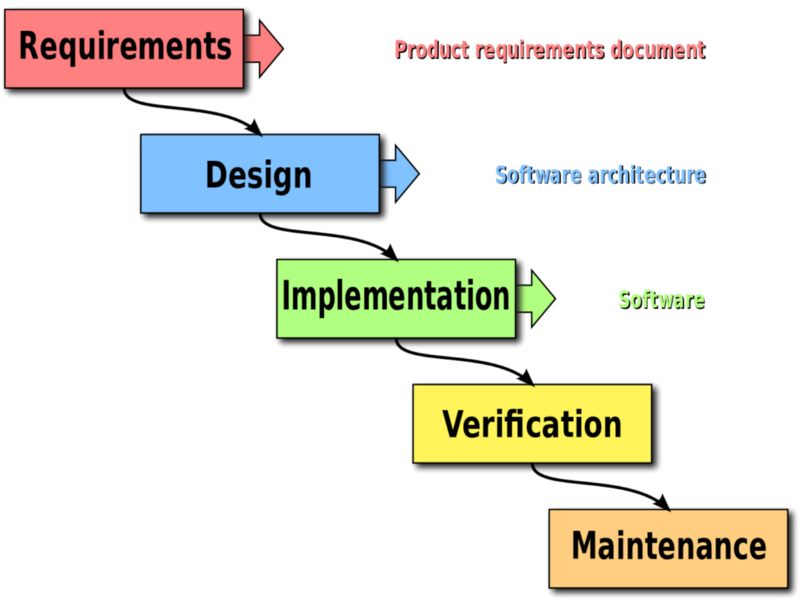
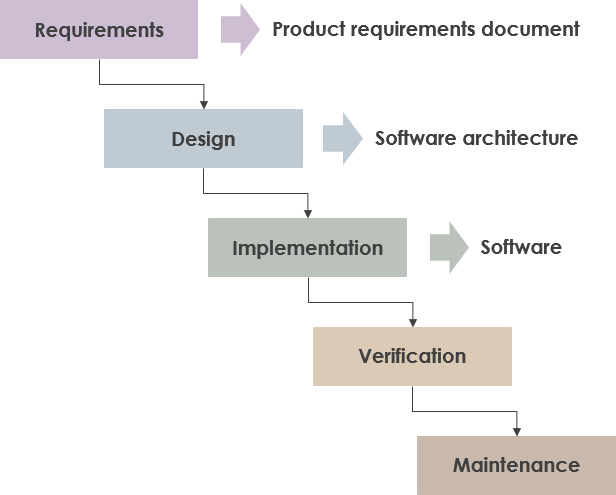
What is the Problems of Waterfall Model?

वॉटरफॉल मॉडल की समस्याएं क्या हैं?

In reality, customers may not know what their needs are until they see the software at work, so changing their requirements leads to redesign, redevelopment and retesting, and increased costs. Developers may design a new software product or feature without realizing the difficulties ahead, in which case it is better to modify the design rather than insist on a design that does not take into account any newly discovered constraints, requirements, or problems. As a result, there is no guarantee that the requirements the organization has in mind will actually work.

Continue reading
Data Flow Diagram Comprehensive Guide with Examples

डेटा फ्लो डायग्राम संपूर्ण गाइड उदाहरणों के साथ

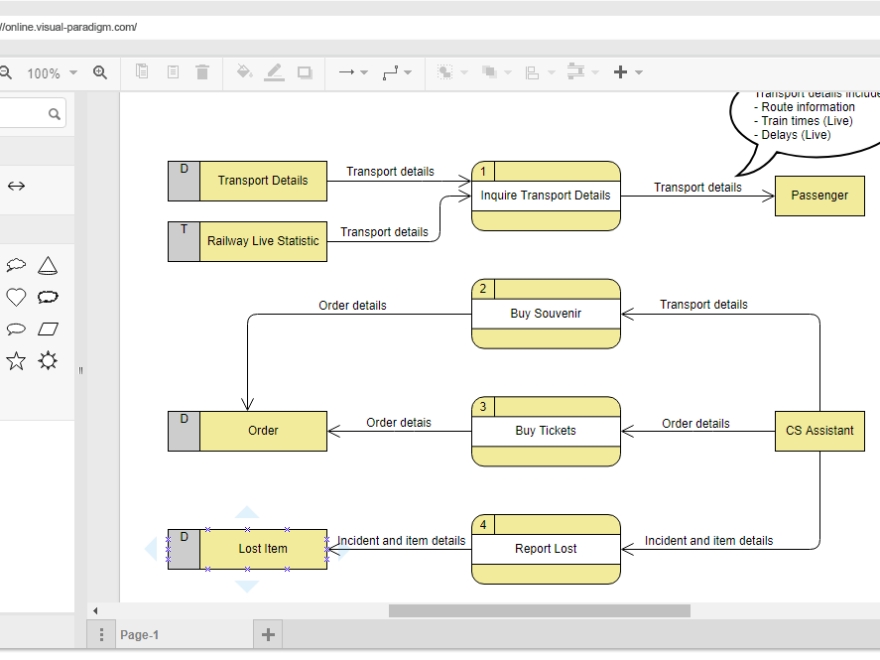
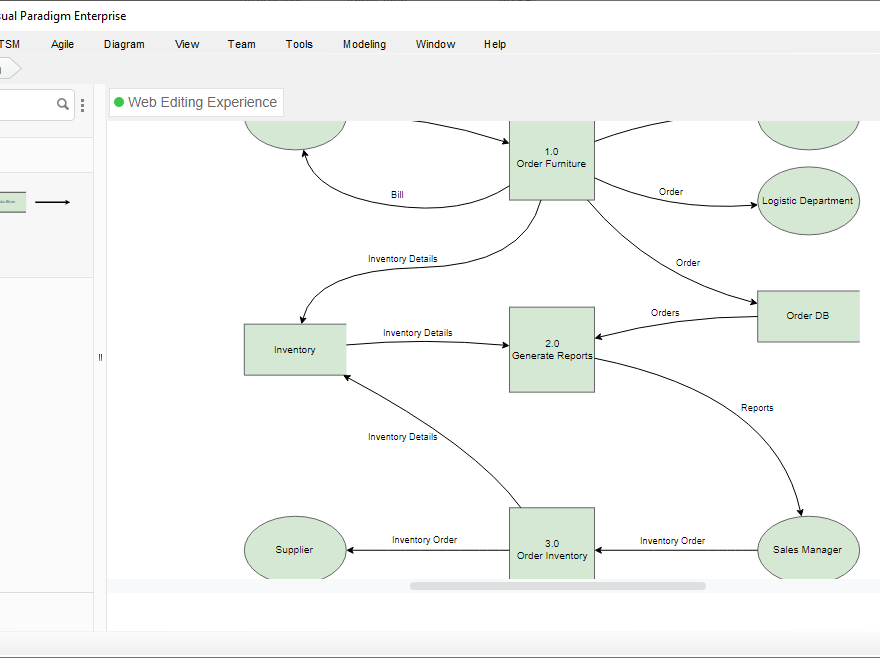
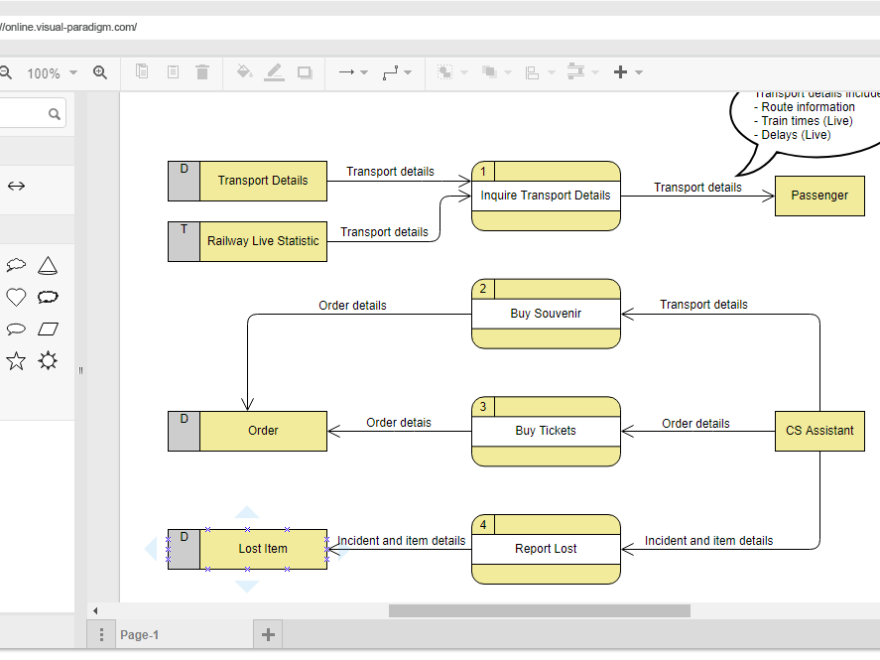
Data Flow diagrams (DFDS) describe logical models and data transformations in the system. It includes a mechanism for modeling data flows and supports decomposition to illustrate the details of data flows and functionality. A data flow chart cannot display information about the order of operations. Therefore, it is not a process or process modeling approach.

Continue reading
A Comprehensive Guide to Flowchart with 50+ Examples

50+ उदाहरणों के साथ फ्लोचार्ट का व्यापक गाइड

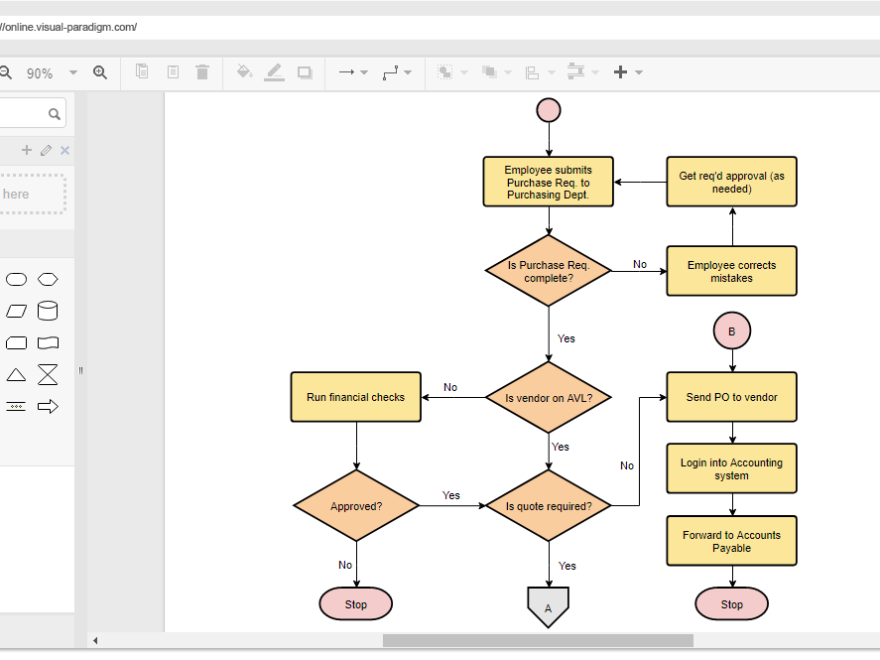
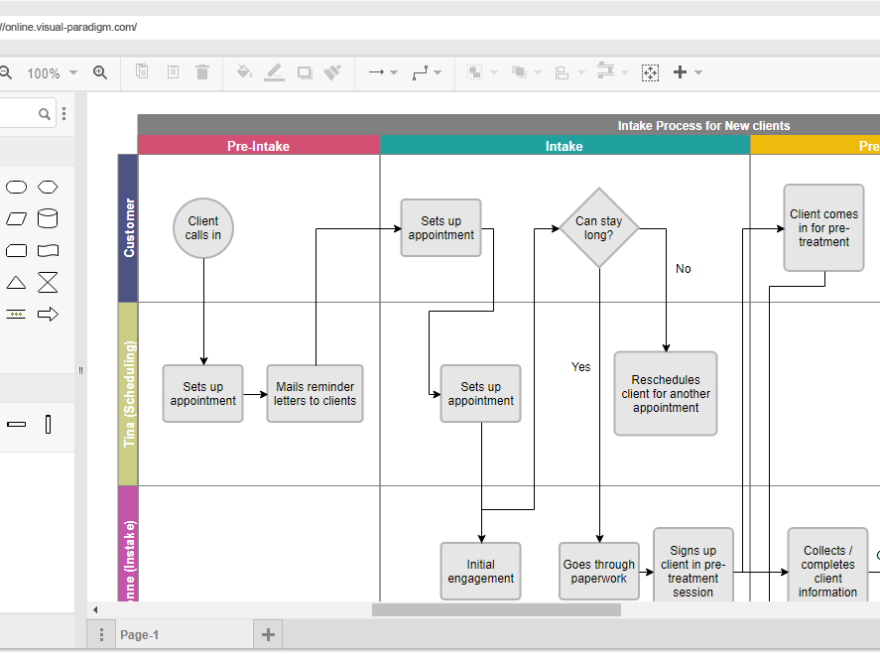
A flowchart is a diagram of the sequence of steps in a process. It is a general purpose tool that can be used for a variety of purposes, such as manufacturing processes, management or service processes, or project planning. It is often defined as a graphical representation of an algorithm, a step-by-step approach to a task. It displays the steps as various types of boxes and shows their order by connecting the boxes with arrows.

Continue reading
A Comprehensive Tutorial on SSADM

एसएसएडीएम पर एक व्यापक ट्यूटोरियल

Structured Systems Analysis and Design Method (SSADM) structural systems analysis and design methods, standards set in the early 1980s development, is widely used in the design and application of the calculation. It uses a combination of text and diagrams for system design throughout the life cycle, from the initial design concept to the application of actual physical design.

Continue reading
Enterprise Integration Patterns (EIP) Tutorial

एंटरप्राइज इंटीग्रेशन पैटर्न (EIP) ट्यूटोरियल

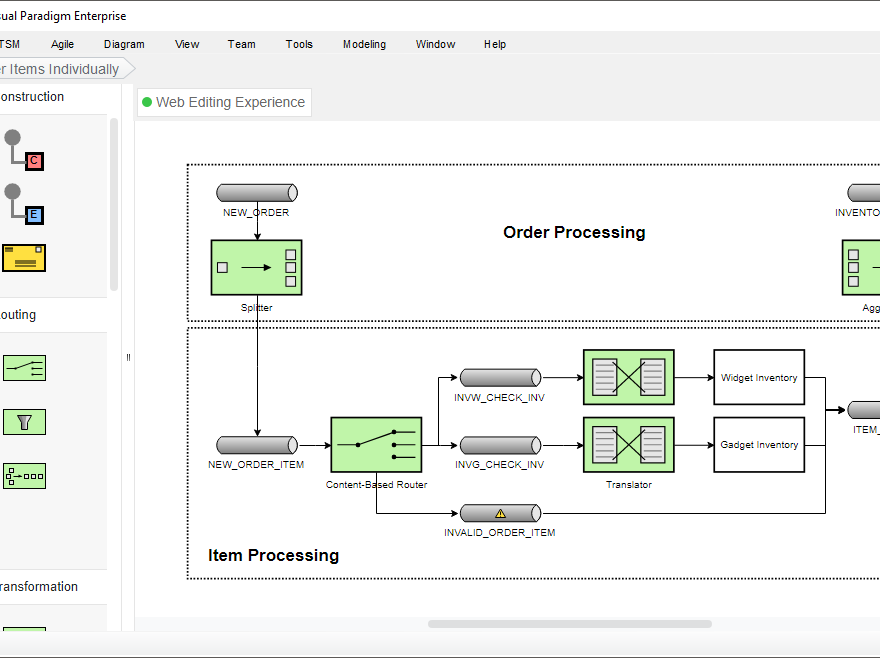
Enterprise Integration Patterns (EIP)is a book by Gregor Hohpe and Bobby Woolf and describes 65 patterns for the use of enterprise application integration and message-oriented middle-ware in the form of a pattern language. They help us use standardized ways to integrate applications, no need to reinventing the wheel each time you have a problem.

Continue reading
System Thinking with Casual Loop Diagram – Learn by Examples

कारण सहित लूप आरेख के साथ सिस्टम सोच – उदाहरणों के माध्यम से सीखें

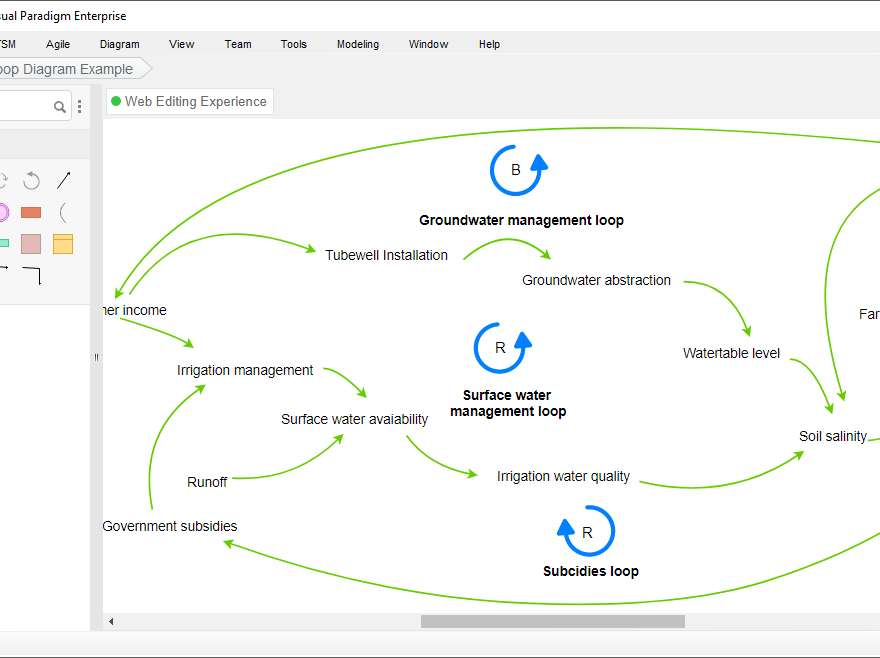
Causal loops diagrams (also known as system thinking diagrams) are used to display the behavior of cause and effect from a system’s standpoint. A causal loop diagram (CLD) is a causal diagram that aids in visualizing how different variables in a system are interrelated.

Continue reading
What is Data Flow Diagram, why it is still useful for software development?

डेटा फ्लो डायग्राम क्या है, और यह सॉफ्टवेयर विकास के लिए अभी भी क्यों उपयोगी है?

Although data flow oriented modeling is considered as an outdated technology by some software engineers, it is still one of the most widely used requirements analysis symbols. Although data flow diagrams (DFDs) are not formal parts of UML, they can be used to supplement UML diagrams and provide additional insight into system requirements and processes.

Continue reading