Sprint Review vs Sprint Retrospective

स्प्रिंट समीक्षा बनाम स्प्रिंट रिट्रोस्पेक्टिव

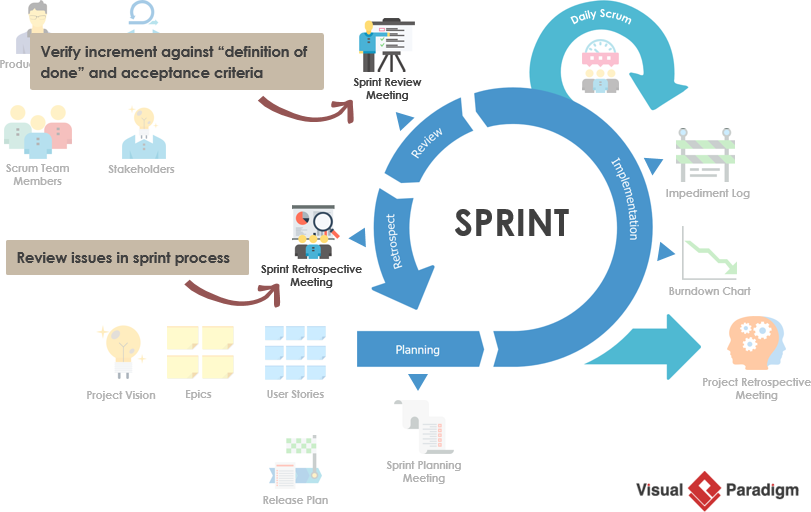
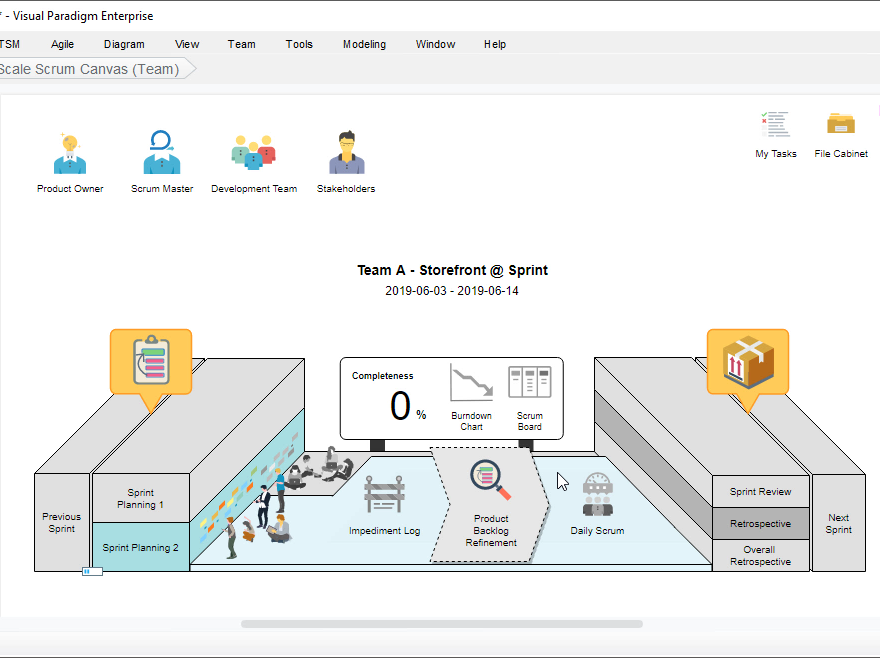
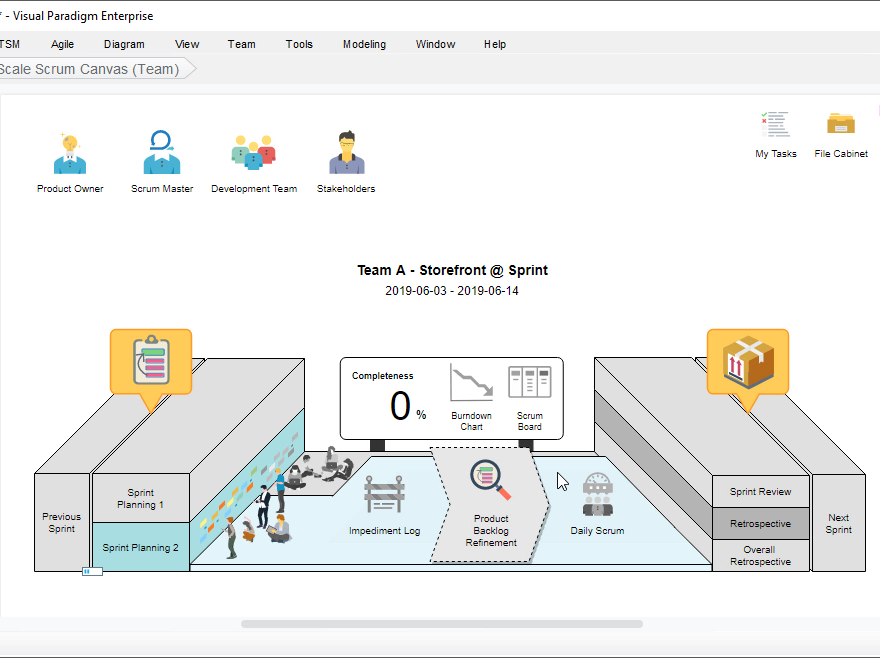
Each sprint ends with a two-part sprint review meeting. Such a meeting starts with a customer review and demonstration and ends with the team retrospective. Both of these components occur on the last day of the sprint. The Sprint Review focuses on the “inspect” and “adapt” of the increment (Potentially shippable), while the Sprint Retrospective give more focus on the “inspect” and “adapt” of the process of the sprint.

Continue reading
एजिल आकलन क्या है? सामान्य त्रुटियाँ क्या हैं?

एजिल आकलन क्या है? सामान्य त्रुटियाँ क्या हैं?

In software development , the usual “estimation” includes a quantitative evaluation of the work required to perform a given development task; this is usually expressed in terms of duration (hour / day) or estimated unit (story point). The purpose is to consolidate a number of such individual estimates in order to obtain an indication of the overall duration, work or cost of the software project.

Continue reading
Do More with LeSS (Large Scale Scrum) Framework: with Tool Illustration

LeSS (बड़े पैमाने पर स्क्रम) फ्रेमवर्क के साथ अधिक करें: उपकरण चित्रण के साथ

LeSS was created by Bas Vodde and Craig Larman from practical experience in scaling up Scrum, founded as the LeSS Company in 2014. The “More with LeSS” principle is at the heart of LeSS (Large Scale Scrum). Complex product development doesn’t require complex solutions. It requires a deep understanding of the essence of the problems, which can then be solved with simpler solutions.

Continue reading
What is LeSS Framework? Scrum vs LeSS Basic vs LeSS Huge

LeSS फ्रेमवर्क क्या है? स्क्रम बनाम LeSS बेसिक बनाम LeSS ह्यूज

LeSS is a lightweight, Agile framework for scaling Scrum to more than one team. Starting in 2005 Bas Vodde and Craig Larman developed the LeSS framework after using Scrum principles and rules on large scale projects. Their goal was to develop large scale projects successfully while staying within the constraints of Scrum.

Continue reading
Philosophy of Agile Development

एजिल डेवलपमेंट का दर्शन

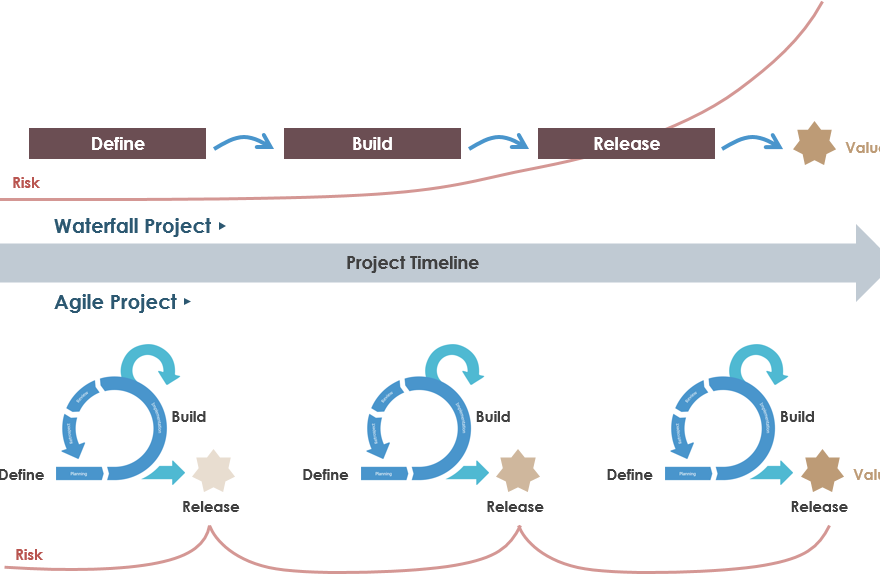
Agile development is a human-centric, iterative, and gradual development method. In agile development, the construction of a software project is divided into multiple sub-projects, and the results of each sub-project have been tested and have the characteristics of integration and operation. In other words, a large project is divided into multiple small projects that are interrelated but can also be run independently, and completed separately. During this process, the software is always in a usable state.

Continue reading