The Brief of History of Scrum

स्क्रम के इतिहास का संक्षिप्त विवरण

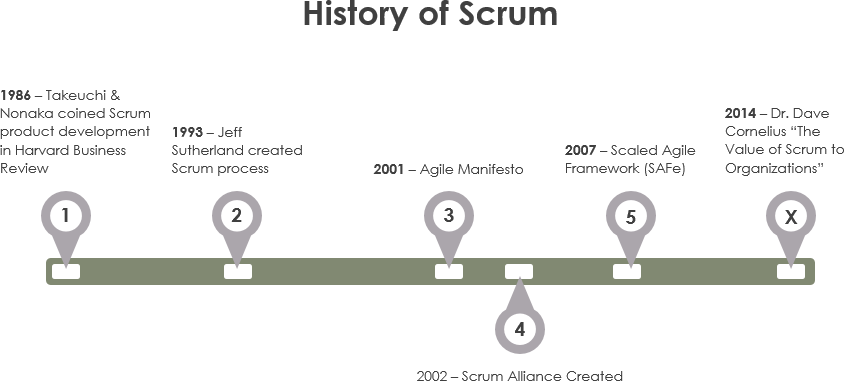
The history of the Scrum method starts in 1986. That year, two Japanese business experts introduced the term in the context of product development. Hirotaka Takeuchi and Ikujiro Nonaka published the article, “New New Product Development Game” (the double “New” is indeed part of the title) in the Harvard Business Review. The authors described a new approach to commercial product development that would increase speed and flexibility. Their inspiration came from case studies from manufacturing firms in the automotive, photocopier, and printer industries.

Continue reading
Scrum Product Owner: The Role and Responsibilities

स्क्रम प्रोडक्ट ओनर: भूमिका और जिम्मेदारियाँ

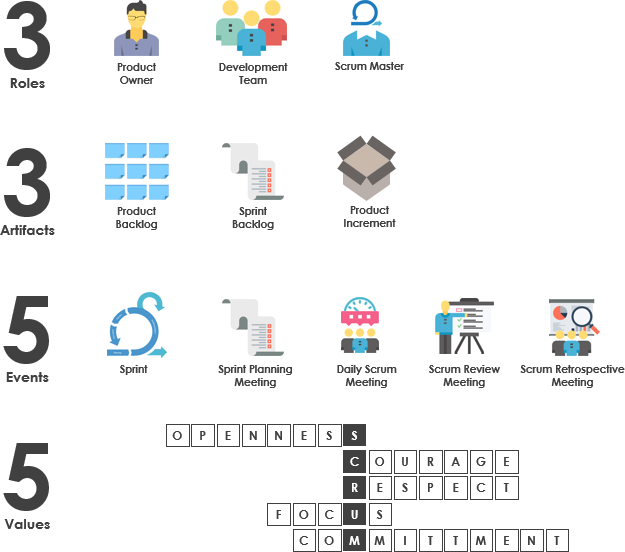
A Product Owner is responsible for telling what should be developed and the order of items that needs to be fulfilled. You can consider him as the sole authority that would tell the rest of the team what they need to create and which features should come first. In short, he is the one who tells the other members of the team about what they should be coming up with.

Continue reading
Scrum: Solution vs Process Adaptive

स्क्रम: समाधान बनाम प्रक्रिया अनुकूलन

पूर्वानुमानित प्रक्रिया क्या है? एक परिभाषित और पूर्वानुमानित प्रक्रिया मॉडल उपयुक्त है यदि परियोजना की आवश्यकताओं और उन आवश्यकताओं के

Continue reading
Scrum: How to Refine Product Backlog?

स्क्रम: उत्पाद पीछे की सूची को कैसे सुधारें?

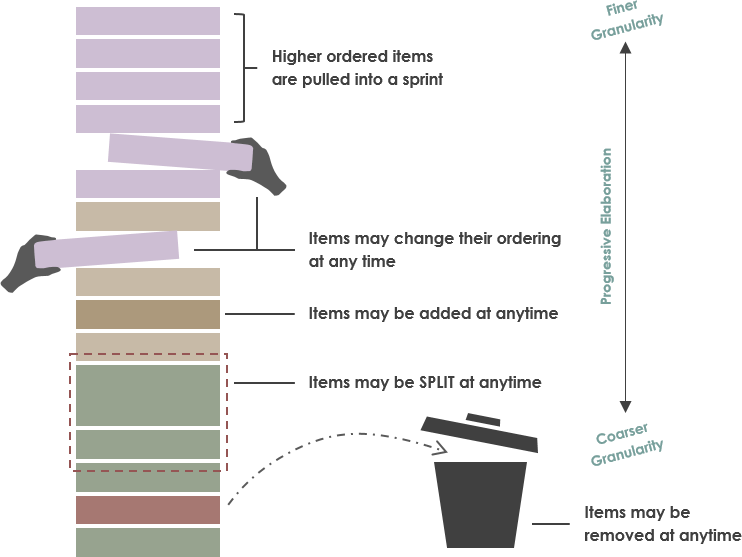
Not all items in the product backlog will be of the same size and level of detail (i.e. features/ eprics/ user stories and tasks) at the same time. PBIs that we plan to work on soon should be at the top of the backlog, smaller in size, and very detailed so that they can be worked on in the near-term sprint. PBIs that we won’t be working on for some time should be at the bottom of the backlog, larger, and less detailed.

Continue reading
विकास टीमें स्क्रम को क्यों पसंद करती हैं?

विकास टीमें स्क्रम को क्यों पसंद करती हैं?

A Scrum development team has the autonomy to choose how best to accomplish their work, rather than being directed by others outside the team. Unlike traditional management principles, the self-organizing empowered teams are not directed and controlled from the top; rather they evolve from team members participating actively & collectively in all the Scrum practices and events.

Continue reading