A state machine diagram is a behavior which specifies the sequence of states an object visits during its lifetime in response to events, together with its responses to those events.
Continue reading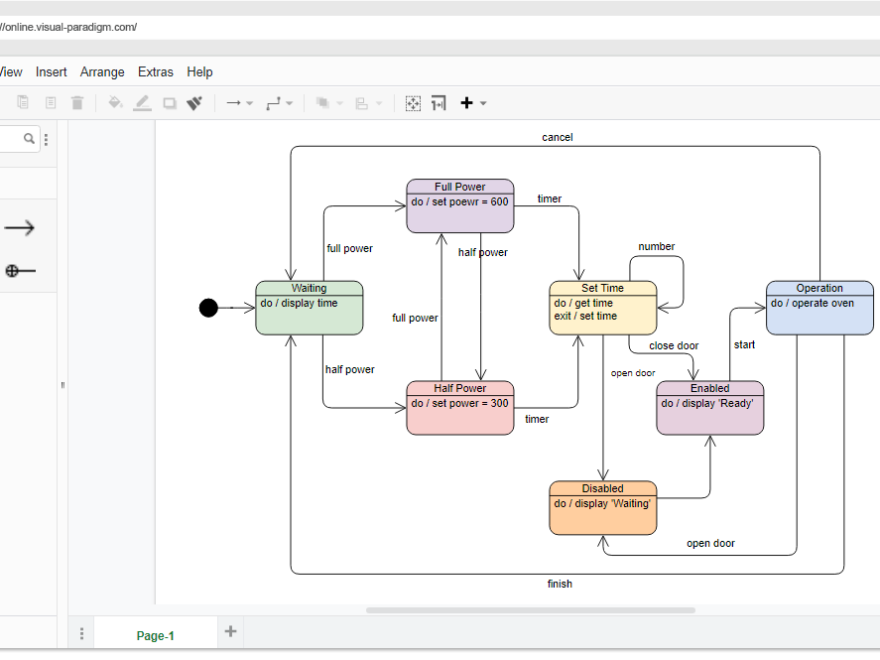
Learning one new thing everyday
A state machine diagram is a behavior which specifies the sequence of states an object visits during its lifetime in response to events, together with its responses to those events.
Continue reading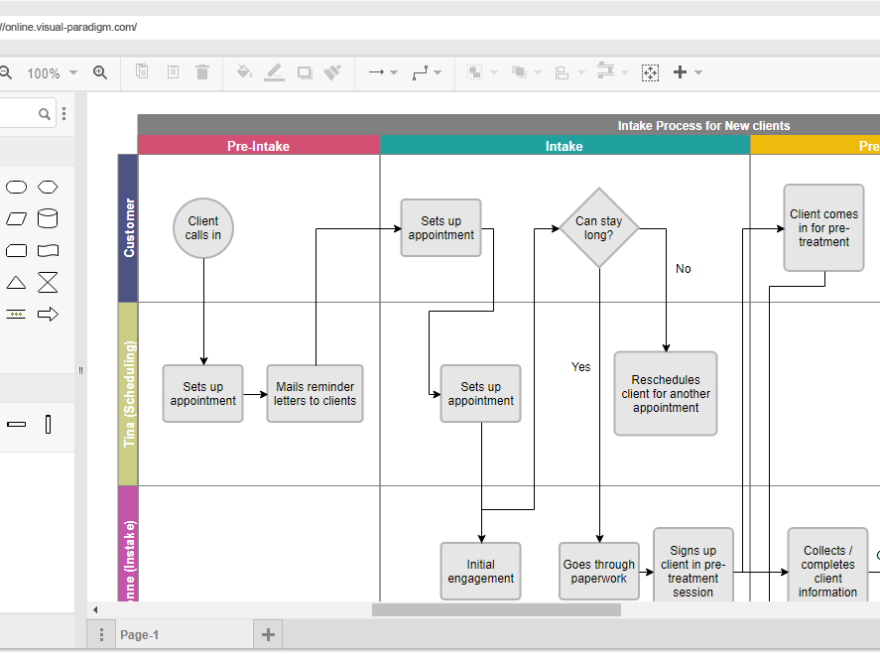
A cross-functional flowchart (sometimes referred to as a deployment flowchart) is a business process mapping tool used to articulate the steps and stakeholders of a given process. Typically, we use a cross-functional flowchart to show the relationship between a business process and the functional units (such as departments) responsible for that process.
Continue reading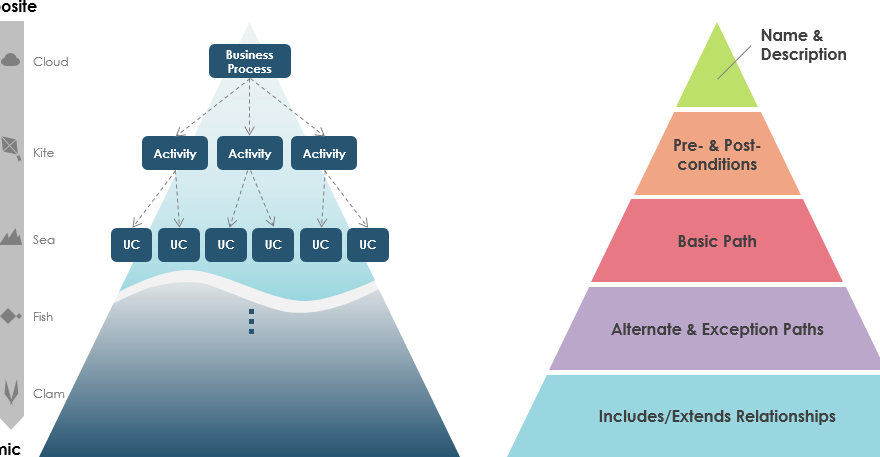
UML can be used as much or as little as you like. Martin Fowler describes three common ways that people tend to use UML: (1) UML as a sketch ; (2) UML as a blueprint ; (3) UML as a programming language.
Continue reading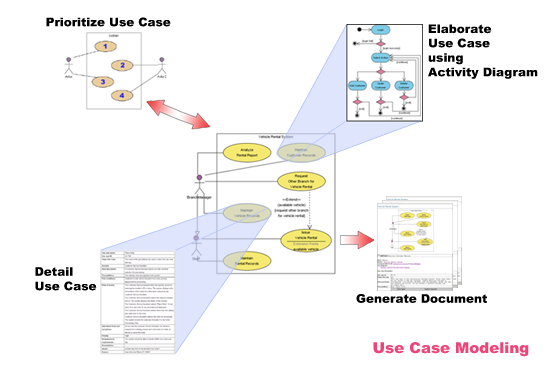
Use case diagrams and activity diagrams are behavioral UML diagrams that describe the dynamic characteristics of a system. The difference between use case diagrams and activity diagrams is that use case diagrams help to model the system, user interactions, while activity diagrams help to model the workflow of the system and are often used to illustrate the internal logic of use cases. These diagrams offer multiple advantages. They help model business requirements and understand the functionality of the system at a high level.
Continue reading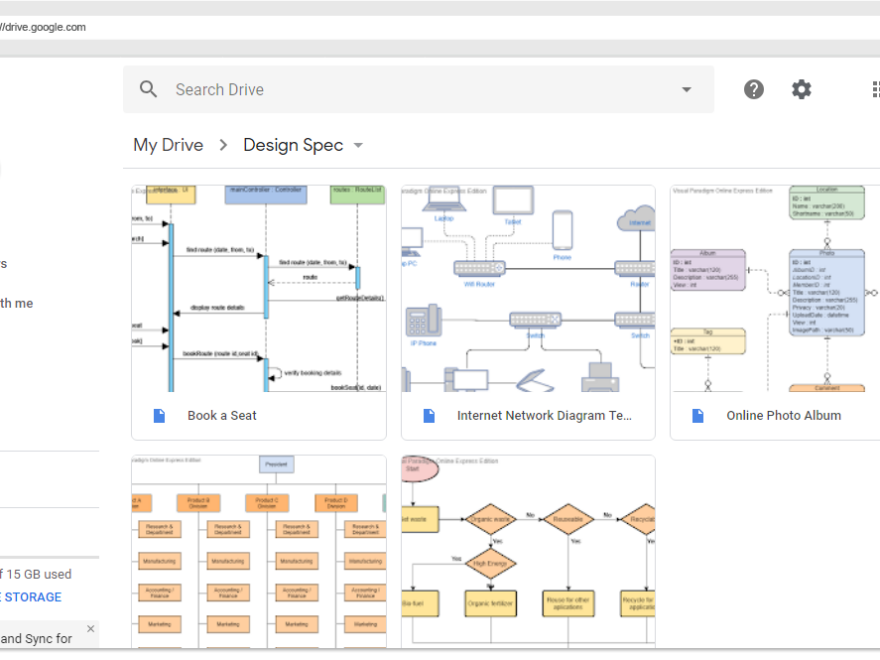
If you’ve ever tried to create MS’s Visio Flowchart®, you know how hard it is. You can start with a few basic tools, if you need to change anything — move shapes, delete shapes or add new shapes — it’s too hard! You know what I mean. Visual Paradigm Online automates all your complex tasks with just a few clicks.
Continue reading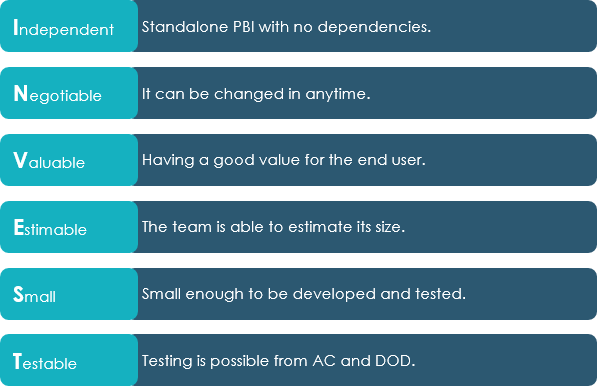
The INVEST as a reminder of the characteristics of a good quality Product Backlog Item (PBI) (or user stories) commonly written in user story format. But what are characteristics of a good user story? The acronym “INVEST” can remind you that good stories should be
Continue reading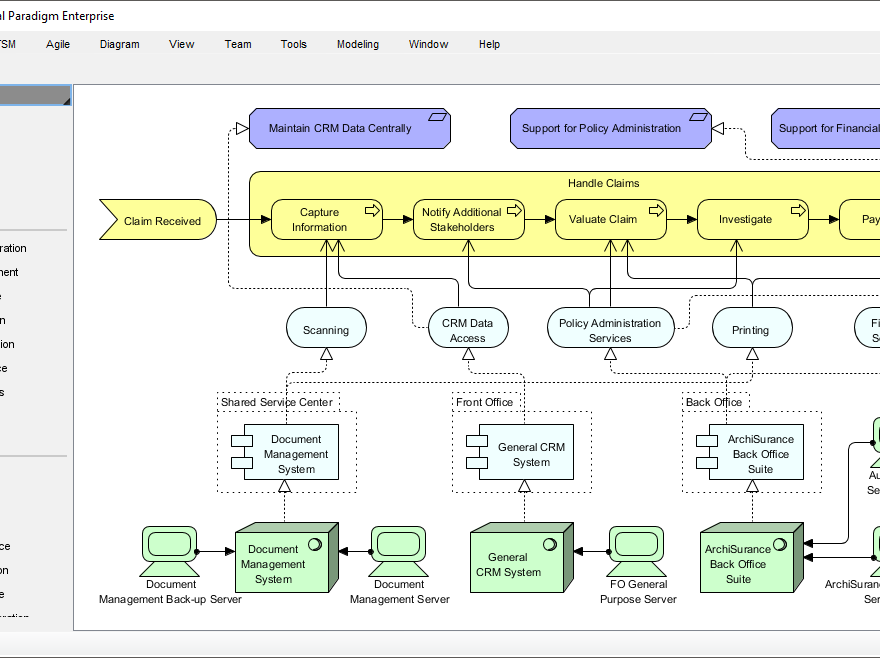
The Open Group created ArchiMate as an open and independent modelling language for enterprise architecture (EA). The standard provides a notation to enable enterprise architects to describe, analyze, and visualize the relationships among business domains in an unambiguous way. ArchiMate enables the creation of fully integrated models of the organization’s EA, the motivation for it, and the programs, projects and migration paths to implement it.
Continue reading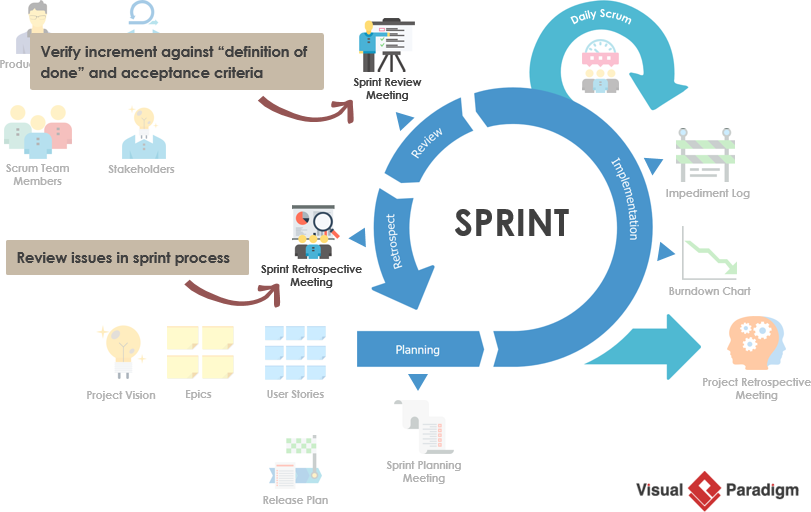
Each sprint ends with a two-part sprint review meeting. Such a meeting starts with a customer review and demonstration and ends with the team retrospective. Both of these components occur on the last day of the sprint. The Sprint Review focuses on the “inspect” and “adapt” of the increment (Potentially shippable), while the Sprint Retrospective give more focus on the “inspect” and “adapt” of the process of the sprint.
Continue reading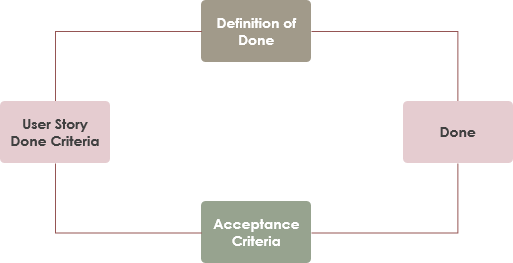
Definition of Done (DoD) is a list of requirements that a user story must adhere to for the team to call it complete. While the Acceptance Criteria of a User Story consist of set of Test Scenarios that are to be met to confirm that the software is working as expected.
Continue reading
In the summer of 2011, Ken Schwaber and Jeff Sutherland revised their Scrum Guide. In it, they removed one long established behavior known to Scrum, which is the commitment the team makes to the product owner and the customers. Commitment was replaced by forecast. They say that teams may forecast their work, but not commit to it.
Continue reading