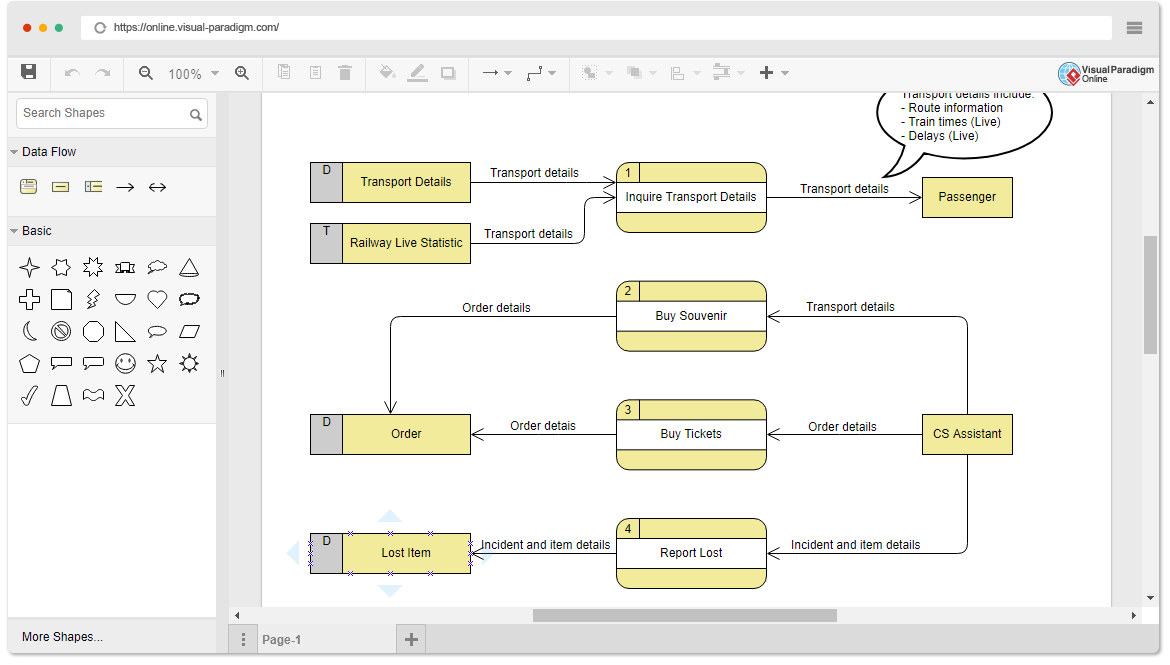
What is Data Flow Diagram, why it is still useful for software development?

نمودار جریان داده چیست و چرا هنوز برای توسعه نرم‌افزار مفید است؟

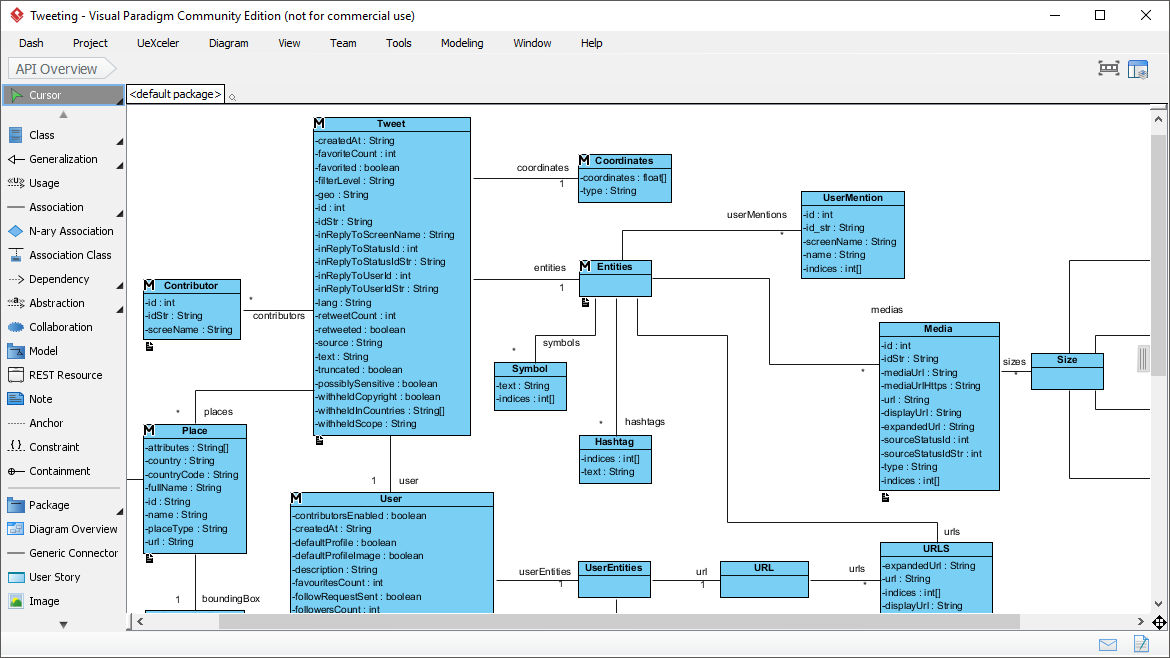
Although data flow oriented modeling is considered as an outdated technology by some software engineers, it is still one of the most widely used requirements analysis symbols. Although data flow diagrams (DFDs) are not formal parts of UML, they can be used to supplement UML diagrams and provide additional insight into system requirements and processes.

Continue reading
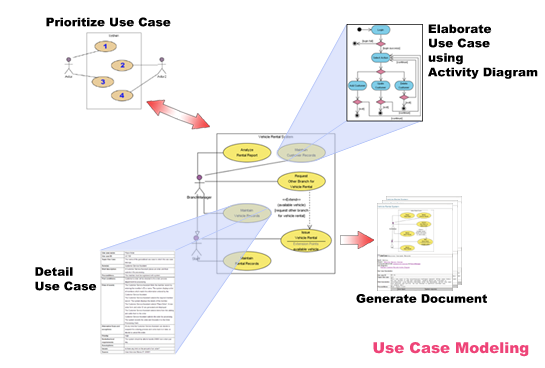
Use Case Modeling

مدل‌سازی مورد کاربردی

A UML use case diagram is the primary form of system/software requirements for a new software program under developed. Use cases specify the expected behavior (what) of a system, and not the exact method of making it happen (how). A complete set of use cases specifies all the different ways to use the system and therefore defines all behavior required of the system bounding the scope of the system.

Continue reading
Use Case Tutorial for Dummies

آموزش موارد استفاده برای مبتدیان

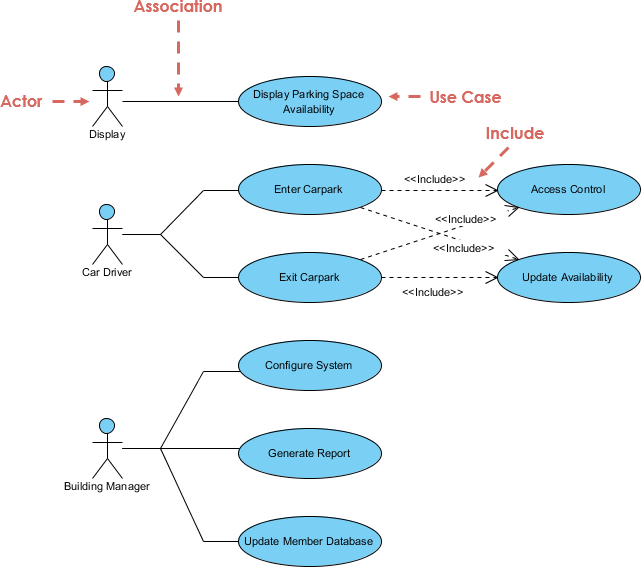
A use case diagram models different types of users interact with the system to solve a problem. As such, it describes the goals of the users, the interactions between the users and the system, and the required behavior of the system in satisfying these goals. Use cases define interactions between external actors and the system to attain particular goals. A use case diagram contains four main components

Continue reading
UML از چه چیزی به چه چیزی با نمودار مورد استفاده و نمودار فعالیت

UML از چه چیزی به چه چیزی با نمودار مورد استفاده و نمودار فعالیت

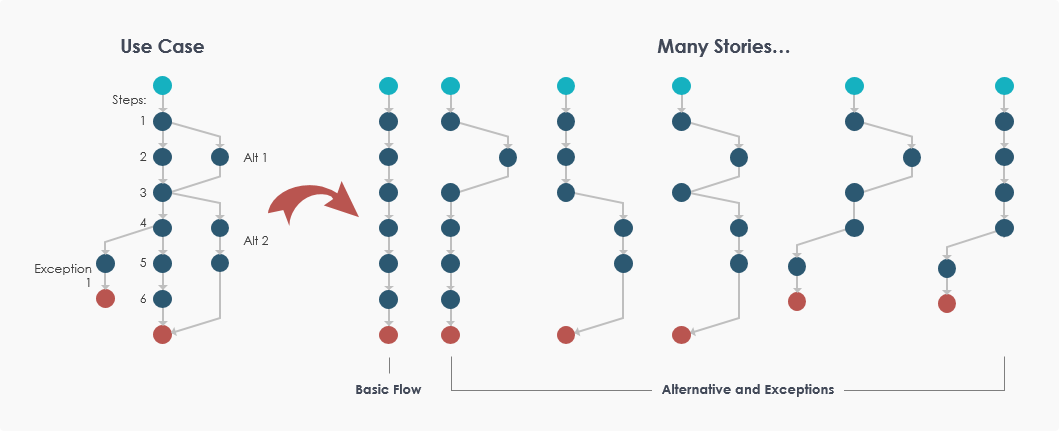
Use case diagrams and activity diagrams are behavioral UML diagrams that describe the dynamic characteristics of a system. The difference between use case diagrams and activity diagrams is that use case diagrams help to model the system, user interactions, while activity diagrams help to model the workflow of the system and are often used to illustrate the internal logic of use cases. These diagrams offer multiple advantages. They help model business requirements and understand the functionality of the system at a high level.

Continue reading