Integrate PERT Chart with RACI Roles to Task Manager

Zintegruj wykres PERT z rolami RACI w menedżerze zadań

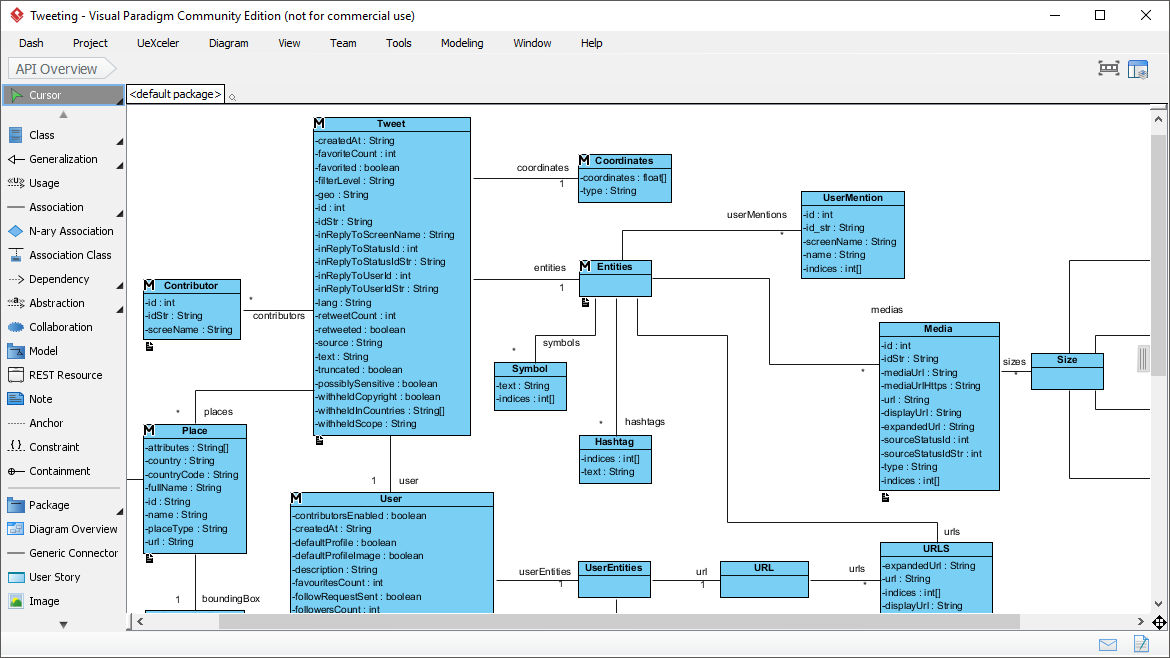
Today I would like to use Visual Paradigm to demonstrate how to perform task planning for team members who will take up the RACI roles and these tasks in the Enhanced PERT Chart can automatically be assigned to the automated task manager called “Tasifier” for project management. A traditional PERT chart is a project management tool used to schedule, organize, and coordinate tasks within a project. The enhanced PERT Chart tool adds four additional features for integrating with different Visual Paradigm building blocks. You can do all these within an enhanced PERT Chart modeler.

Continue reading
Do More with LeSS (Large Scale Scrum) Framework: with Tool Illustration

Zrób więcej z ramą LeSS (Large Scale Scrum): z ilustracją narzędzi

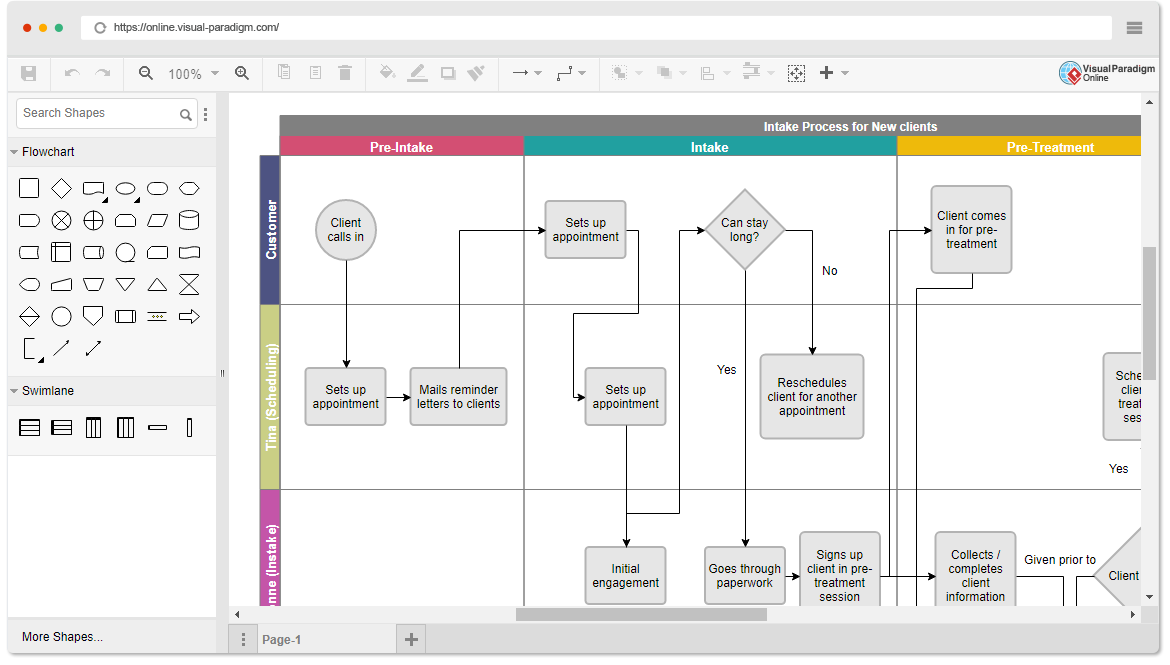
LeSS was created by Bas Vodde and Craig Larman from practical experience in scaling up Scrum, founded as the LeSS Company in 2014. The “More with LeSS” principle is at the heart of LeSS (Large Scale Scrum). Complex product development doesn’t require complex solutions. It requires a deep understanding of the essence of the problems, which can then be solved with simpler solutions.

Continue reading
Czym jest oszacowanie w metodyce zwinnej? Jakie są powszechne pułapki?

Czym jest oszacowanie w metodyce zwinnej? Jakie są powszechne pułapki?

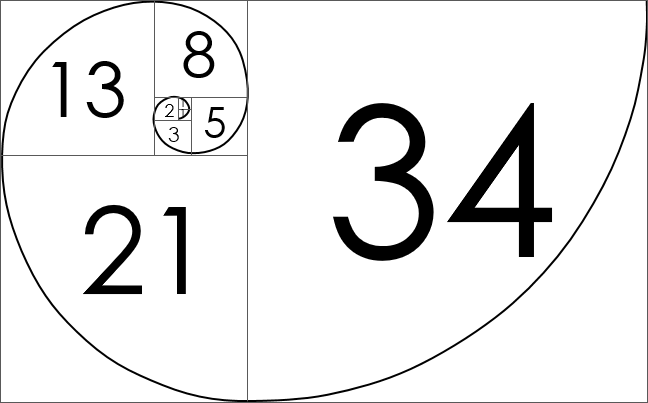
In software development , the usual “estimation” includes a quantitative evaluation of the work required to perform a given development task; this is usually expressed in terms of duration (hour / day) or estimated unit (story point). The purpose is to consolidate a number of such individual estimates in order to obtain an indication of the overall duration, work or cost of the software project.

Continue reading
Top 7 Most Popular Agile Estimation Methods for User Stories

Top 7 Najpopularniejszych Metod Estymacji Agile dla Historii Użytkownika

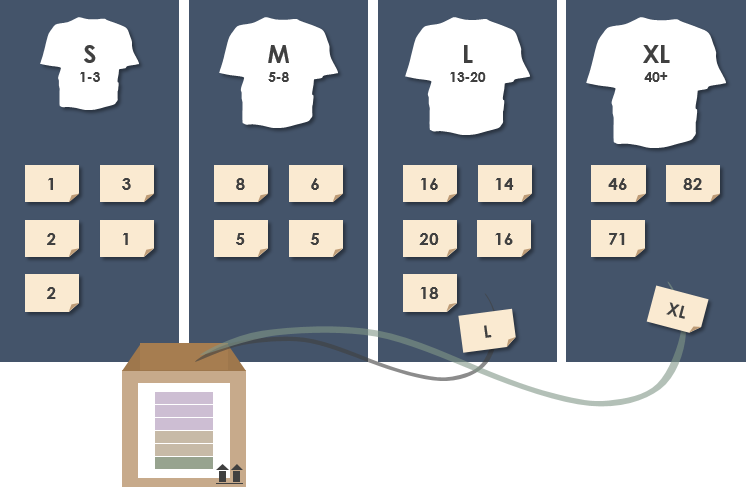
In software development, “estimation” in the usual sense includes a quantitative assessment of the effort required to perform a specific development task; this is usually expressed in terms of duration. Agile estimation is the process of evaluating the effort required to complete the tasks on a product’s backlog in order of priority. This effort is usually measured in terms of the time required to complete the task, which in turn leads to accurate sprint planning.

Continue reading
Agile Estimation in Scrum? Story Point and Planning Poker

Agile Estymacja w Scrumie? Punkty historii i Planning Poker

Whether the team is working on a product or a project, we need to answer the question, “When will we get it done?” “Or how much we can do at a certain point in time, so as in the traditional development model, we need to estimate the effort before we start the project. During the development of Scrum, the team shared responsibility and collectively committed to the work of each Sprint, so the estimated workload for the agile team used a collective estimation approach.

Continue reading
Scrum Team — I-Shaped vs T-Shaped People

Zespół Scrum — Ludzie w kształcie I vs w kształcie T

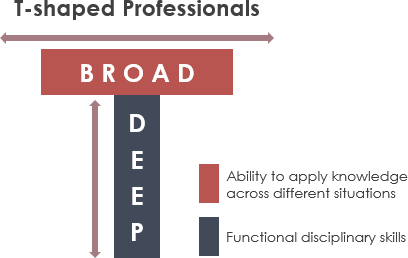
Some people are very proficient in a particular field, but rarely contribute outside of that field. These people are called “I-types” in the agile community because they are like the letter “I” in that they have depth, but not much breadth. In contrast, “T-people” have complementary expertise in one area, but less developed skills in related areas and good collaboration skills.

Continue reading