Flipbooks sind als beliebter digitaler Format zur präsentation von Inhalten auf eine ansprechende und interaktive Weise entstanden. Sie bieten eine
Weiterlesen
Jeden Tag eine neue Sache lernen
Flipbooks sind als beliebter digitaler Format zur präsentation von Inhalten auf eine ansprechende und interaktive Weise entstanden. Sie bieten eine
Weiterlesen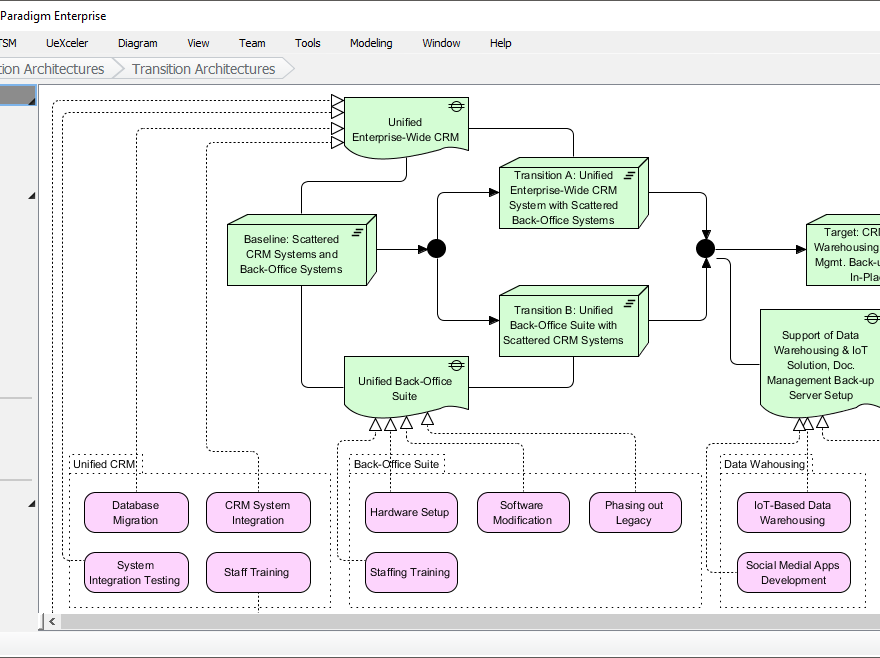
Das Verständnis der Beziehung zwischen TOGAF und ADM TOGAF steht für die Open Group Architekturframework. Es ist ein Framework für
Weiterlesen
Eine Standard-Sprache für Kommunikation und Zusammenarbeit UML (Unified Modeling Language) ist eine visuelle Modellierungssprache, die zur Spezifikation, Konstruktion und Dokumentation
Weiterlesen
Unified Modeling Language (UML) is a graphical language used for visual modeling in software engineering. UML provides a standardized notation that helps software developers to design and communicate software systems effectively. UML is widely used in software development because it allows developers to capture the system’s requirements, design, and functionality in a visual format that is easy to understand.
Weiterlesen
Was ist ArchiMate ArchiMate ist eine Modellierungssprache, die die Beschreibung, Analyse und Visualisierung von Enterprise-Architekturen auf klare und eindeutige Weise
Weiterlesen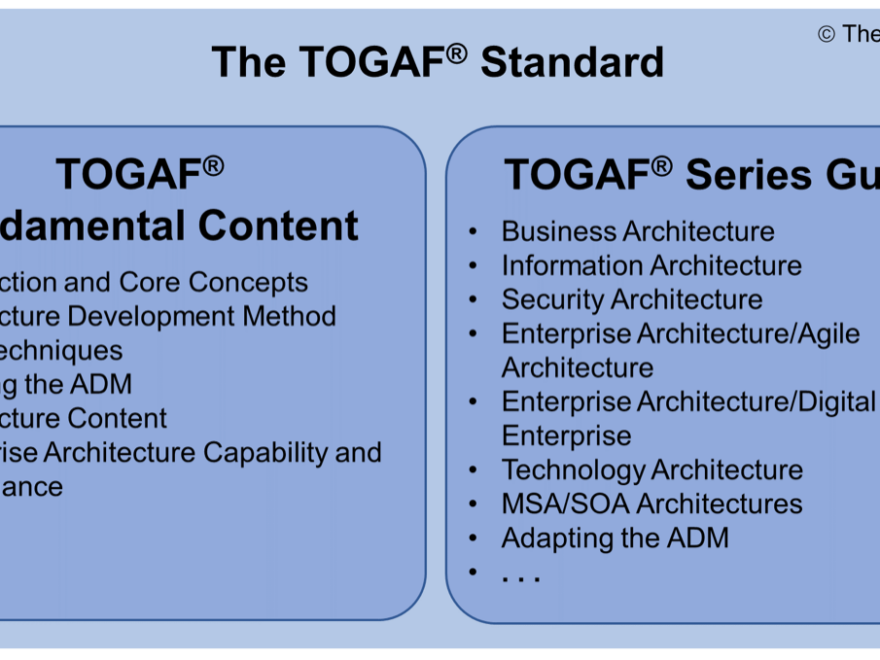
Die Open Grouphat TOGAF 10 veröffentlicht, einen flexibleren und anpassbaren Rahmen für Unternehmensarchitektur, der einfacher umzusetzen ist. Dieses Update stellt
Weiterlesen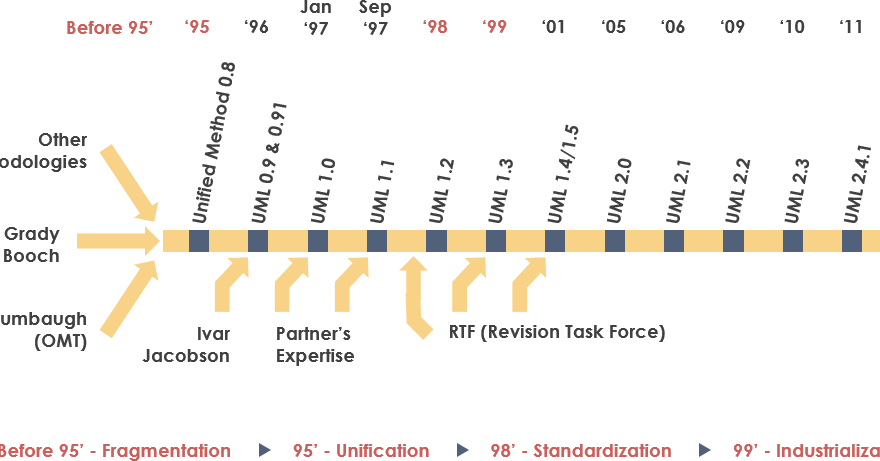
UML is a powerful tool for software developers, architects, and designers as it provides a common language and notation for communicating design decisions and system architecture. It includes many types of diagrams, such as use case diagrams, class diagrams, and sequence diagrams, that can be used throughout the software development life cycle. UML also supports advanced concepts such as stereotypes, profiles, constraints, and packages, which allow for more precise and tailored modeling of software systems. Overall, UML is a valuable tool for software development and can help to improve communication, collaboration, and the overall quality of software systems.
Weiterlesen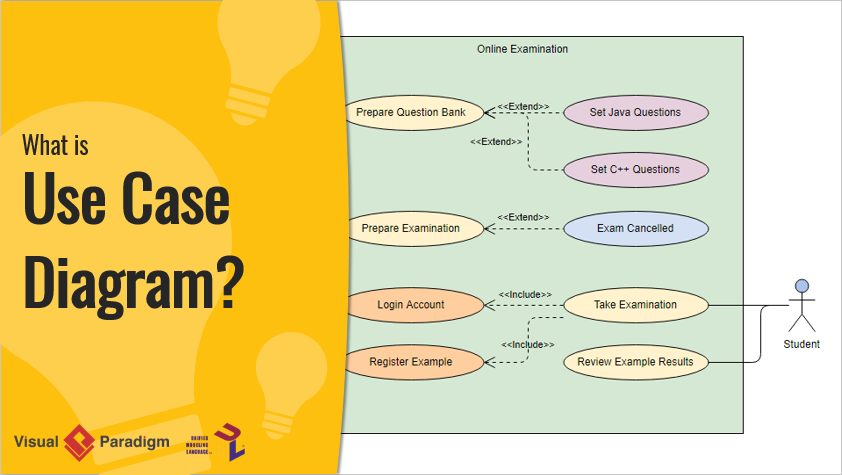
Use case modeling is a technique used to capture and describe the interactions between users (actors) and a system or software application. It helps to define the requirements of a system from a user’s perspective and to document the functionality that the system needs to provide. Use case modeling is an essential part of software development and is widely used in the field of business analysis.
WeiterlesenThis case study focuses on the use case modeling of an ATM system for a bank. The ATM system is designed to provide customers with a convenient way to access their accounts and perform various banking transactions, such as withdrawing cash, depositing cash, transferring funds, checking their account balance, and changing their PIN.
Weiterlesen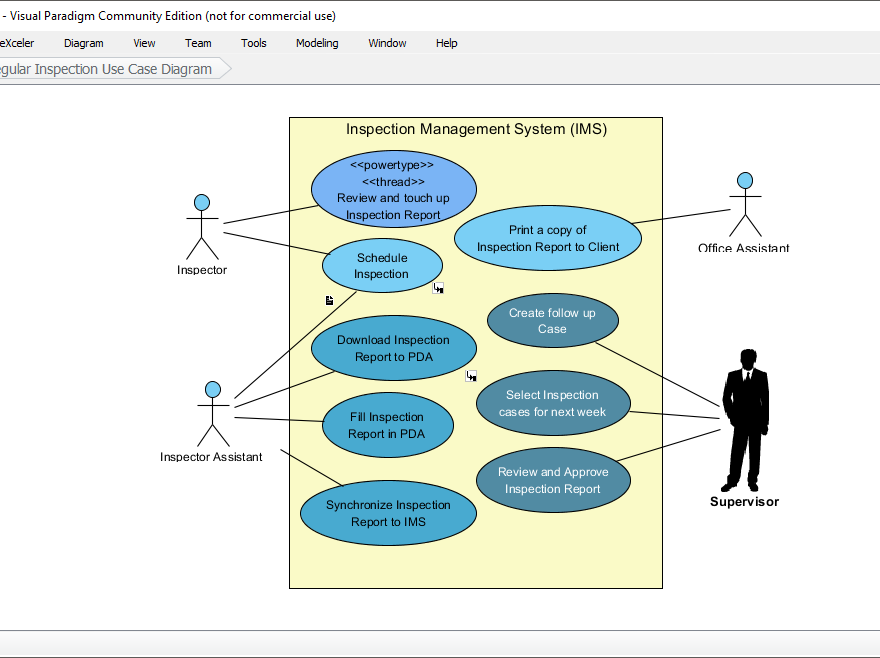
Use cases are an essential tool in software development and systems analysis. They provide a clear and concise way to define the behavior and functionality of a system, by describing the interactions between users (known as “actors”) and the system itself.
Weiterlesen