全面理解与实施统一建模语言在软件开发中的指南

全面理解与实施统一建模语言在软件开发中的指南

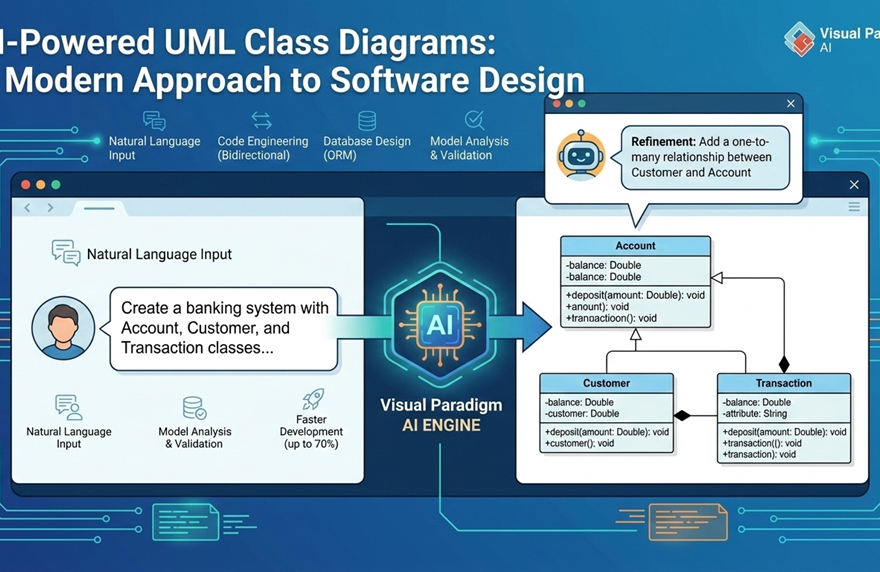
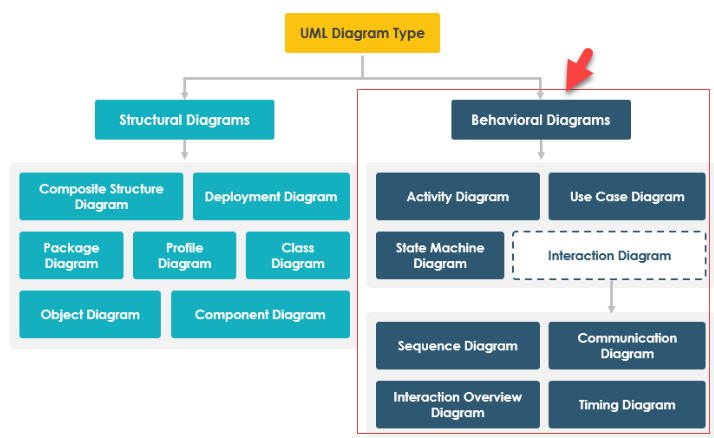
UML is a powerful tool for software developers, architects, and designers as it provides a common language and notation for communicating design decisions and system architecture. It includes many types of diagrams, such as use case diagrams, class diagrams, and sequence diagrams, that can be used throughout the software development life cycle. UML also supports advanced concepts such as stereotypes, profiles, constraints, and packages, which allow for more precise and tailored modeling of software systems. Overall, UML is a valuable tool for software development and can help to improve communication, collaboration, and the overall quality of software systems.

Continue reading
使用用例和活动图从“是什么”到“怎么做”的UML

使用用例和活动图从“是什么”到“怎么做”的UML

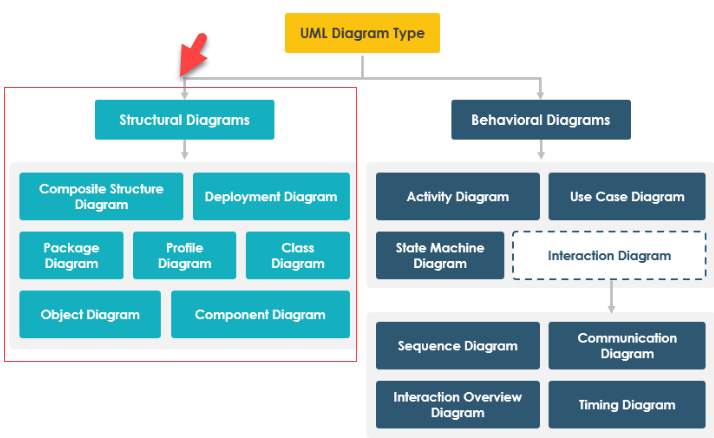
Use case diagrams and activity diagrams are behavioral UML diagrams that describe the dynamic characteristics of a system. The difference between use case diagrams and activity diagrams is that use case diagrams help to model the system, user interactions, while activity diagrams help to model the workflow of the system and are often used to illustrate the internal logic of use cases. These diagrams offer multiple advantages. They help model business requirements and understand the functionality of the system at a high level.

Continue reading
UML 与面向对象设计

UML 与面向对象设计

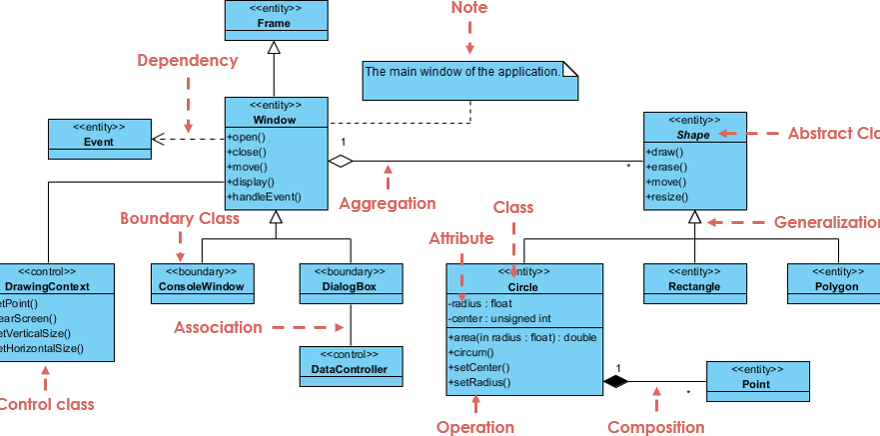
Unified Modeling Language (UML) and Object Oriented Design (OOD) are both widely used techniques for modeling and designing software systems. While they share many similarities, they also have some key differences. This article will provide an overview of both UML and OOD, highlighting the similarities and differences between the two.

Continue reading
敏捷软件开发的视觉建模综合指南

敏捷软件开发的视觉建模综合指南

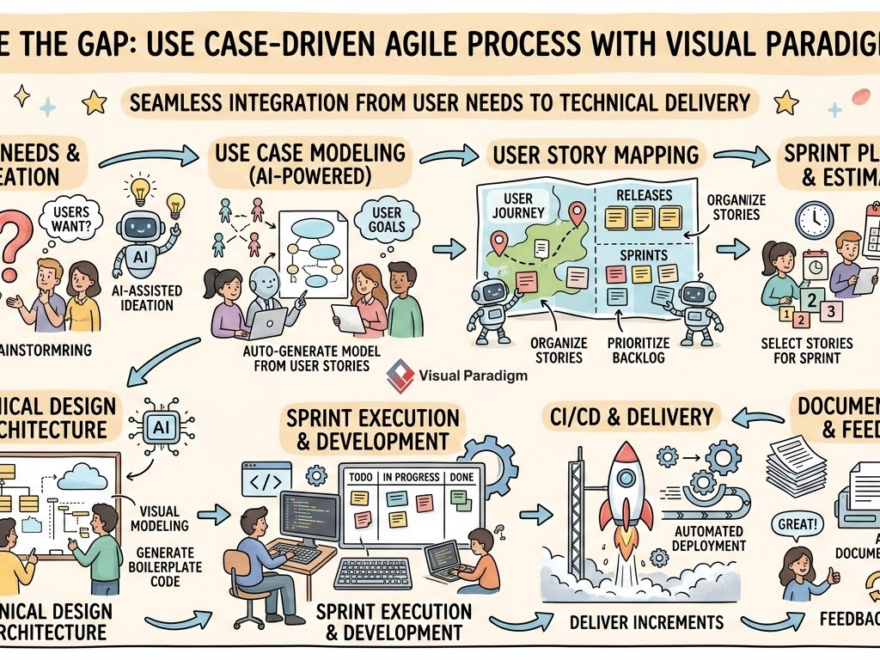
Unified Modeling Language (UML) is a graphical language used for visual modeling in software engineering. UML provides a standardized notation that helps software developers to design and communicate software systems effectively. UML is widely used in software development because it allows developers to capture the system’s requirements, design, and functionality in a visual format that is easy to understand.

Continue reading