Startups 101: Essential Strategies for Launching and Scaling Your Business – Discover essential strategies and insights for launching and scaling your startup. Learn about funding, marketing, team building, and other key aspects to successfully navigate the startup journey.
Continue readingDanh mục: User Story
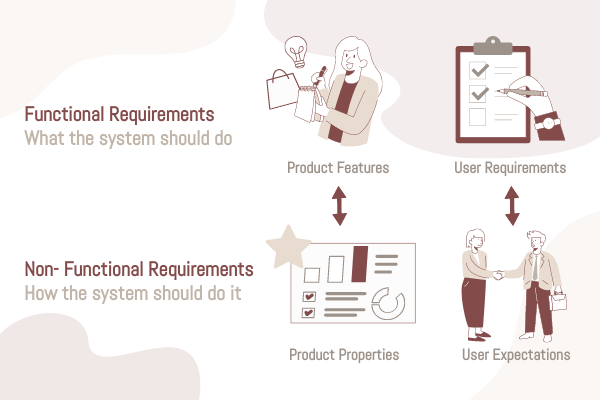
Nắm bắt yêu cầu chức năng với các trường hợp sử dụng và câu chuyện người dùng
Bước đầu tiên trong việc xác định một sản phẩm, dịch vụ, quy trình hoặc hệ thống mới là xác
Continue reading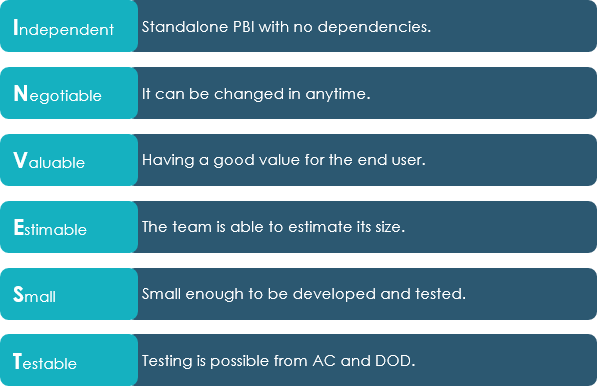
Làm thế nào để viết câu chuyện người dùng hiệu quả với các nguyên tắc INVEST?
In addition to a standardized format and complete elements, a good user story should also follow the INVEST principles: 1. Idependent; 2. Negotiable; 3. Valuable; 4. Estimatable; 5. Small; 6. Testable.
Continue reading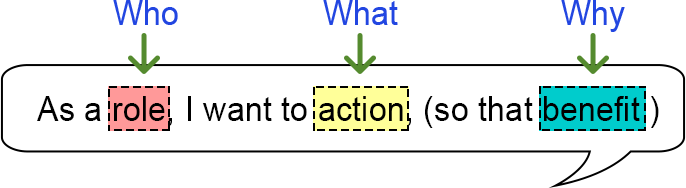
Câu chuyện người dùng: 3Cs
User stories are a lightweight method for quickly capturing the “who”, “what” and “why” of product requirements. Simply put, user stories are ideas that express the needs that users want. User stories are short, and each element usually contains less than 10 or 15 words. User stories are “to-do” lists that help you identify the steps along the project path. They help ensure that your process, and the resulting product, meet your requirements.
Continue reading
Viết Những Câu Chuyện Người Dùng Tốt
User stories are part of the agile approach and help shift the focus from writing requirements to discussing them. All agile user stories include one or two written sentences and, more importantly, a series of conversations about the desired functionality.
Continue reading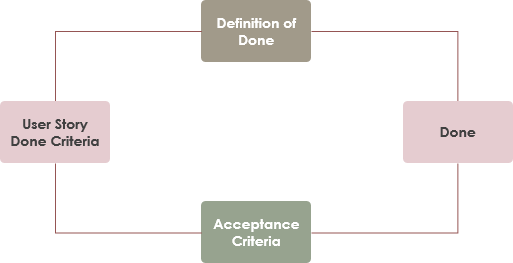
Sự khác biệt giữa user story và tiêu chí chấp nhận là gì?
Definition of Done (DoD) is a list of requirements that a user story must adhere to for the team to call it complete. While the Acceptance Criteria of a User Story consist of set of Test Scenarios that are to be met to confirm that the software is working as expected.
Continue reading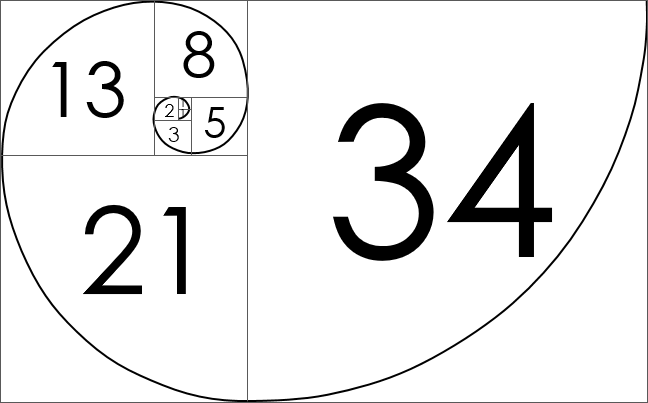
7 Phương Pháp Ước Lượng Agile Phổ Biến Nhất Cho User Stories
In software development, “estimation” in the usual sense includes a quantitative assessment of the effort required to perform a specific development task; this is usually expressed in terms of duration. Agile estimation is the process of evaluating the effort required to complete the tasks on a product’s backlog in order of priority. This effort is usually measured in terms of the time required to complete the task, which in turn leads to accurate sprint planning.
Continue reading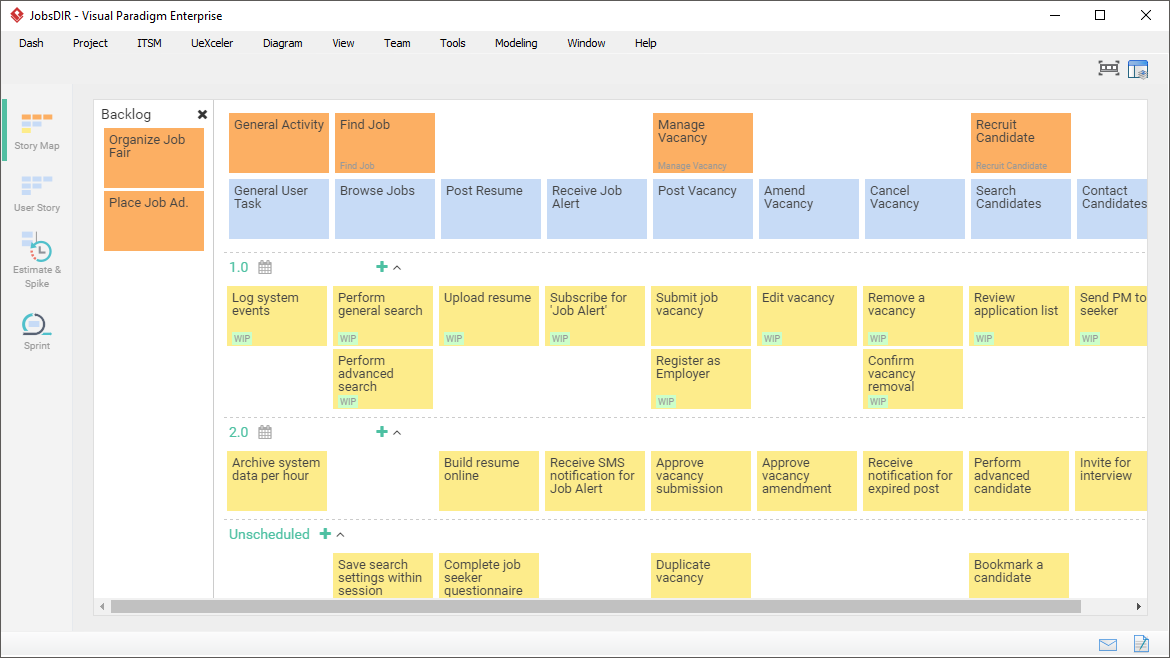
Công cụ Lập bản đồ Câu chuyện Người dùng Agile
User Story Maps provide Scrum teams with a visual and structured approach to managing product backlogs. The visual story map enables the effective arrangement of product backbones (user activities), user tasks, epics and user stories into a manageable top-down structure based on the nature, priority and complexity of the map items.
Continue reading