掌握用例建模:軟件開發與系統分析的全面指南

掌握用例建模:軟件開發與系統分析的全面指南

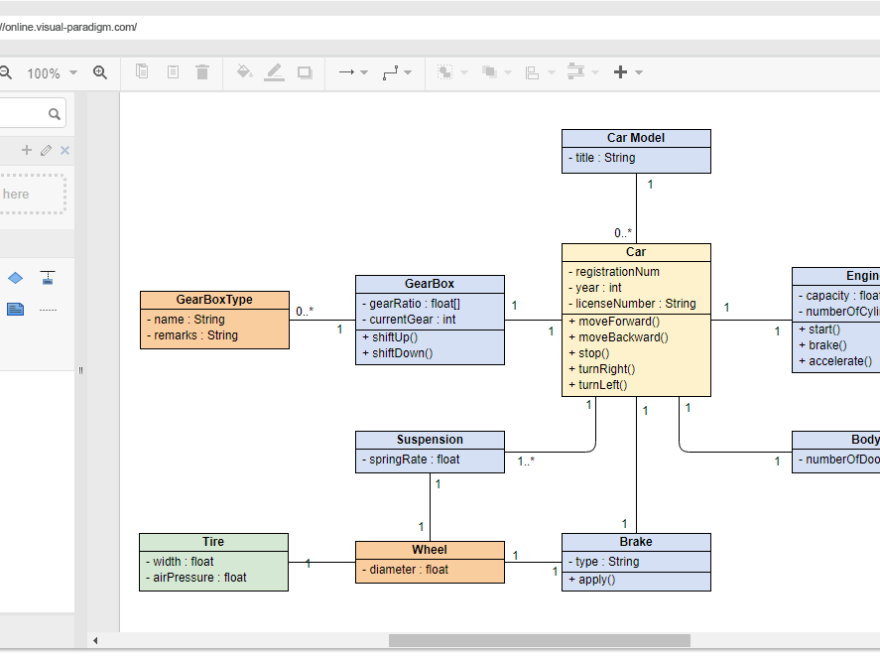
Use case modeling is a technique used to capture and describe the interactions between users (actors) and a system or software application. It helps to define the requirements of a system from a user’s perspective and to document the functionality that the system needs to provide. Use case modeling is an essential part of software development and is widely used in the field of business analysis.

Continue reading
全面了解並在軟體開發中實施統一建模語言的指南

全面了解並在軟體開發中實施統一建模語言的指南

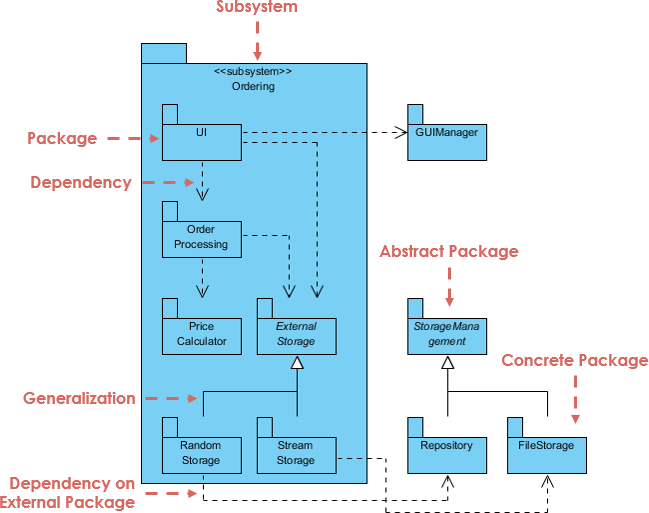
UML is a powerful tool for software developers, architects, and designers as it provides a common language and notation for communicating design decisions and system architecture. It includes many types of diagrams, such as use case diagrams, class diagrams, and sequence diagrams, that can be used throughout the software development life cycle. UML also supports advanced concepts such as stereotypes, profiles, constraints, and packages, which allow for more precise and tailored modeling of software systems. Overall, UML is a valuable tool for software development and can help to improve communication, collaboration, and the overall quality of software systems.

Continue reading
敏捷軟件開發的視覺建模綜合指南

敏捷軟件開發的視覺建模綜合指南

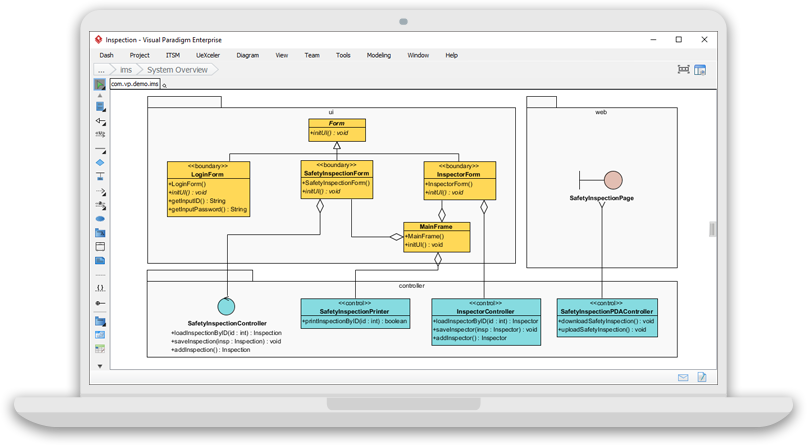
Unified Modeling Language (UML) is a graphical language used for visual modeling in software engineering. UML provides a standardized notation that helps software developers to design and communicate software systems effectively. UML is widely used in software development because it allows developers to capture the system’s requirements, design, and functionality in a visual format that is easy to understand.

Continue reading