Do More with LeSS (Large Scale Scrum) Framework: with Tool Illustration

بیشتر انجام دهید با چارچوب LeSS (اسکرام مقیاس بزرگ): با تصویر ابزار

LeSS was created by Bas Vodde and Craig Larman from practical experience in scaling up Scrum, founded as the LeSS Company in 2014. The “More with LeSS” principle is at the heart of LeSS (Large Scale Scrum). Complex product development doesn’t require complex solutions. It requires a deep understanding of the essence of the problems, which can then be solved with simpler solutions.

Continue reading

تخمین چابک چیست؟ دام‌های رایج کدامند؟

تخمین چابک چیست؟ دام‌های رایج کدامند؟

In software development , the usual “estimation” includes a quantitative evaluation of the work required to perform a given development task; this is usually expressed in terms of duration (hour / day) or estimated unit (story point). The purpose is to consolidate a number of such individual estimates in order to obtain an indication of the overall duration, work or cost of the software project.

Continue reading
Sprint Review vs Sprint Retrospective

بررسی اسپرینت در مقابل بازنگری اسپرینت

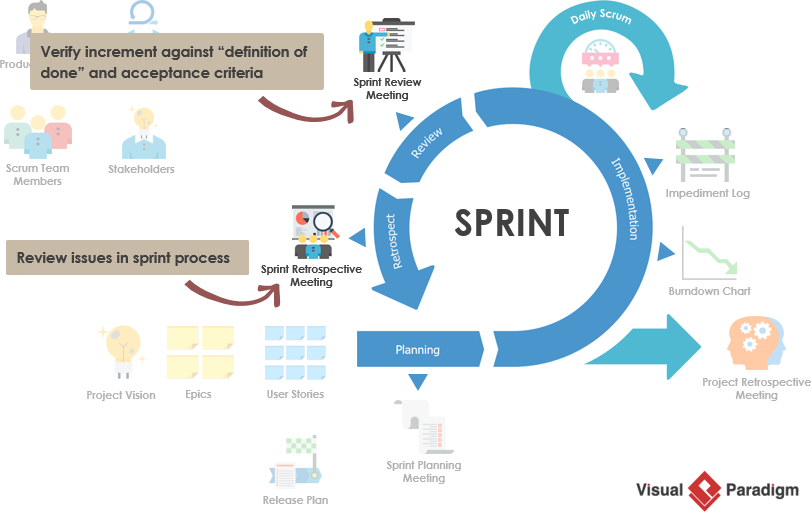
Each sprint ends with a two-part sprint review meeting. Such a meeting starts with a customer review and demonstration and ends with the team retrospective. Both of these components occur on the last day of the sprint. The Sprint Review focuses on the “inspect” and “adapt” of the increment (Potentially shippable), while the Sprint Retrospective give more focus on the “inspect” and “adapt” of the process of the sprint.

Continue reading
Scrum: Why Sprint Length should be Short?

اسکرام: چرا طول اسپرینت باید کوتاه باشد؟

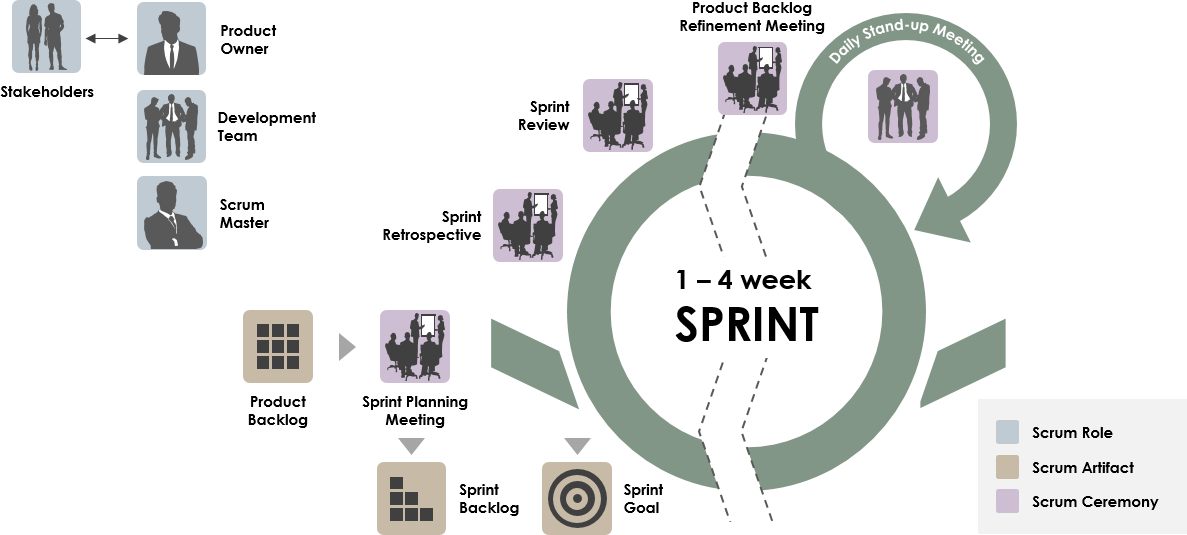
Sprinting is running over a short distance in a limited period of time. It is used in many sports that incorporate running, typically as a way of quickly reaching a target or goal, or avoiding or catching an opponent. A sprint is a time box. Each sprint has a start and end date during which a set of selected user stories have to be completed and confirmed. The following image shows you the key elements of a sprint, which includes a set of user stories, the scrum members involved, the assignment of work, the duration and end date (top-right corner).

Continue reading